Most designer gowns land between $2,000 and $5,000, though custom work and silk fabrics add to that.
The choice depends on how much customization you need, which silhouette flatters your shape, and whether you want detail at the bodice or carried through the full gown.
Pallas Couture makes every gown to your measurements, while Pronovias stocks ready-made options you can try on before deciding.
1. Custom-Made Wedding Dresses
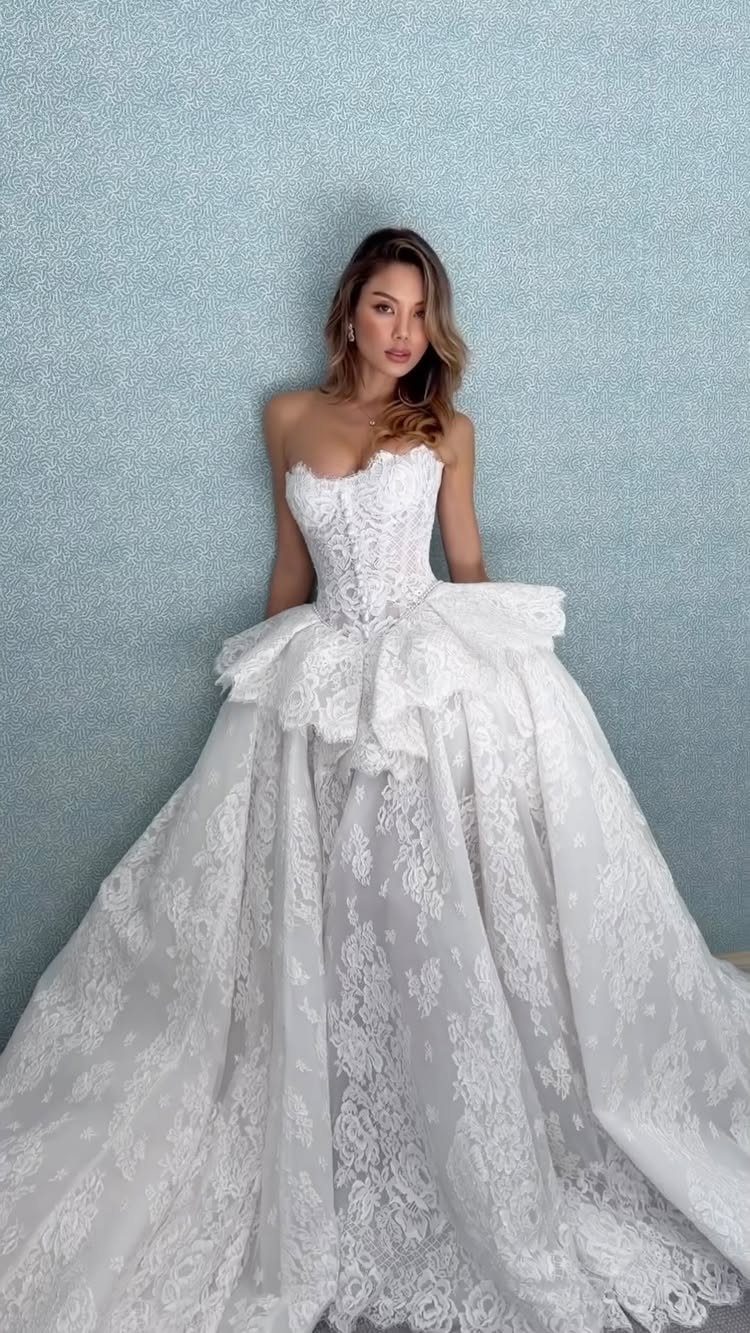
Pallas Couture builds every gown to order, which means the fit accounts for your actual measurements rather than asking you to meet a standard size chart.
That approach suits anyone whose proportions don’t align neatly with off-the-rack grading or who wants details adjusted to taste.
The strapless bodice uses engineered lace that sits close to the body, and the skirt carries enough volume to balance the fitted top without tipping into costume territory.
Custom work takes longer than buying ready-made, so factor in lead time when you set your timeline.
2. Fitted Silhouettes with Sheer Overlays
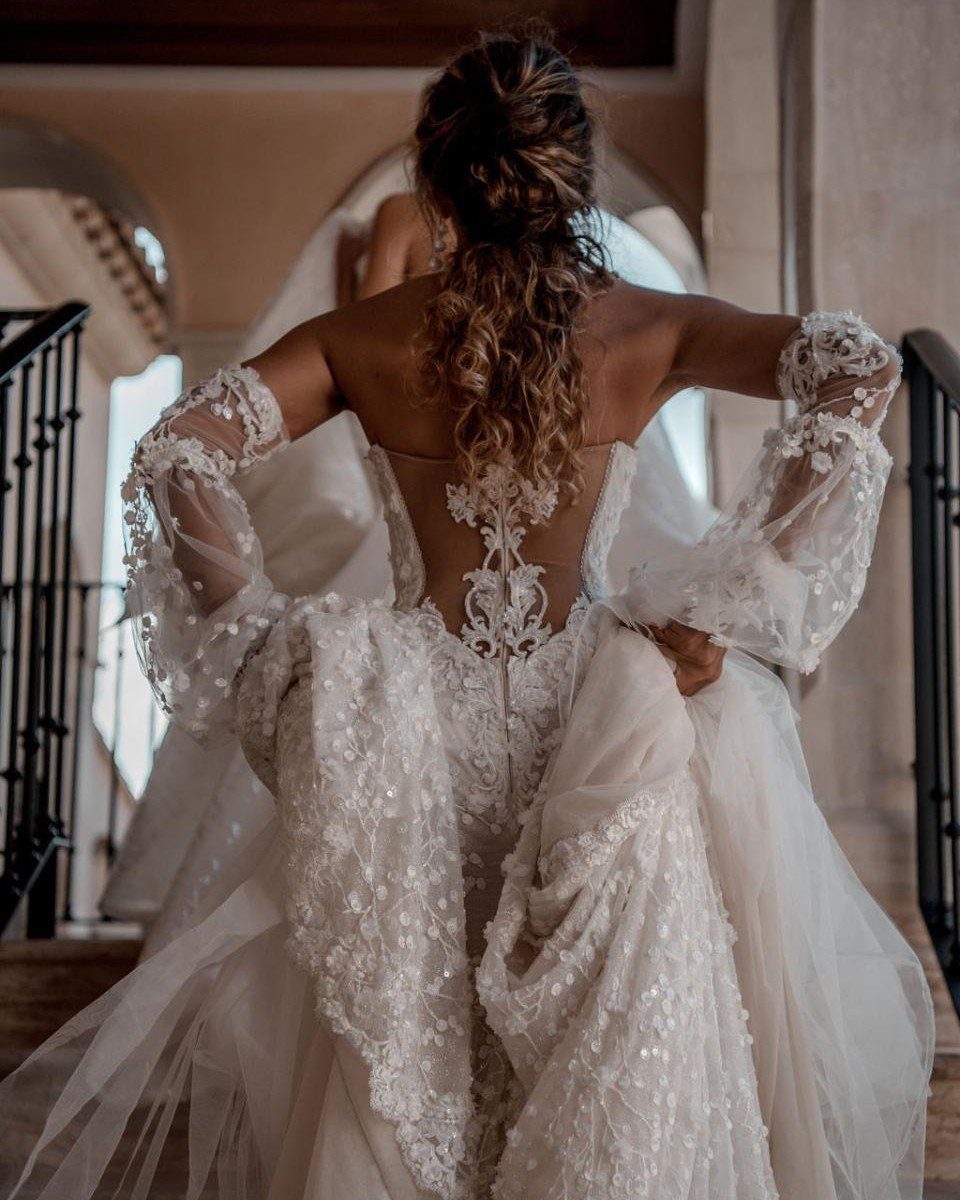
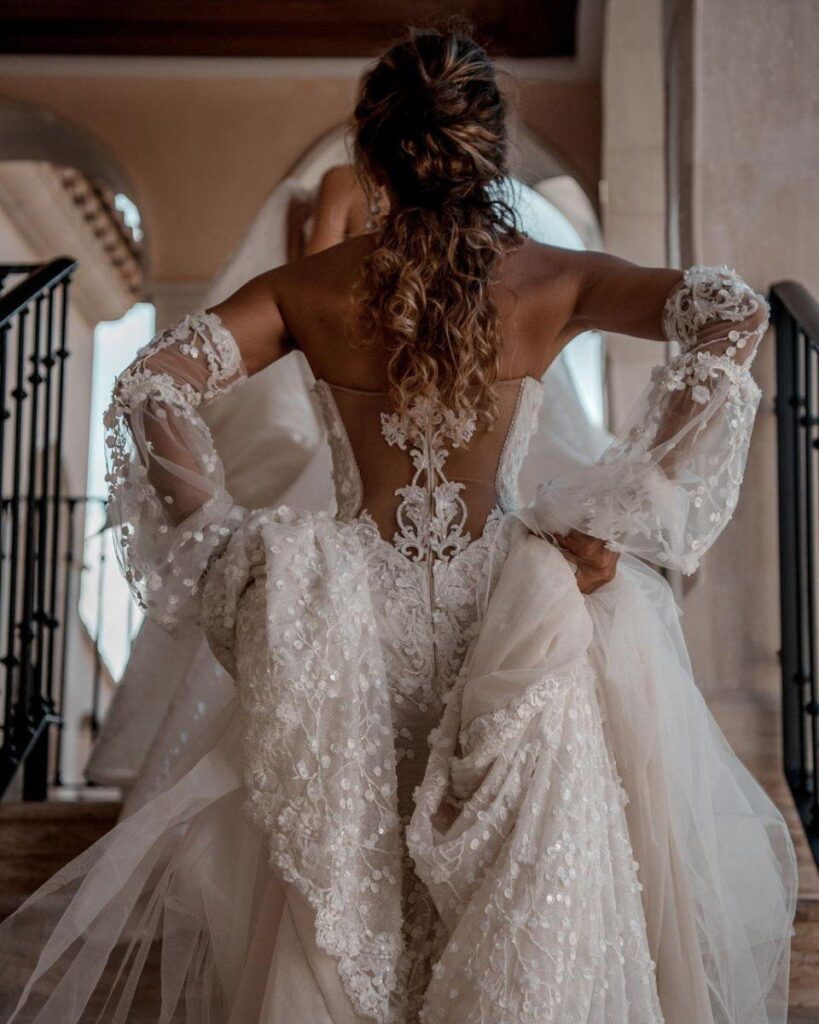
A fitted silhouette shows your shape clearly, and a sheer overlay softens that precision without hiding it.
The combination works especially well when the overlay carries lace or embroidery that continues the bodice pattern down the sleeves or across the back.
The dress here layers sheer tulle over a fitted lace base, which gives you structure where it matters and a little movement everywhere else.
The train extends the sheer fabric, so the overlay reads as part of the gown rather than an add-on.
For coverage through the ceremony and a closer fit at the reception, this setup lets you peel back the overlay or swap it for a separate topper.
3. Sculpted Bodices with Detachable Sleeves
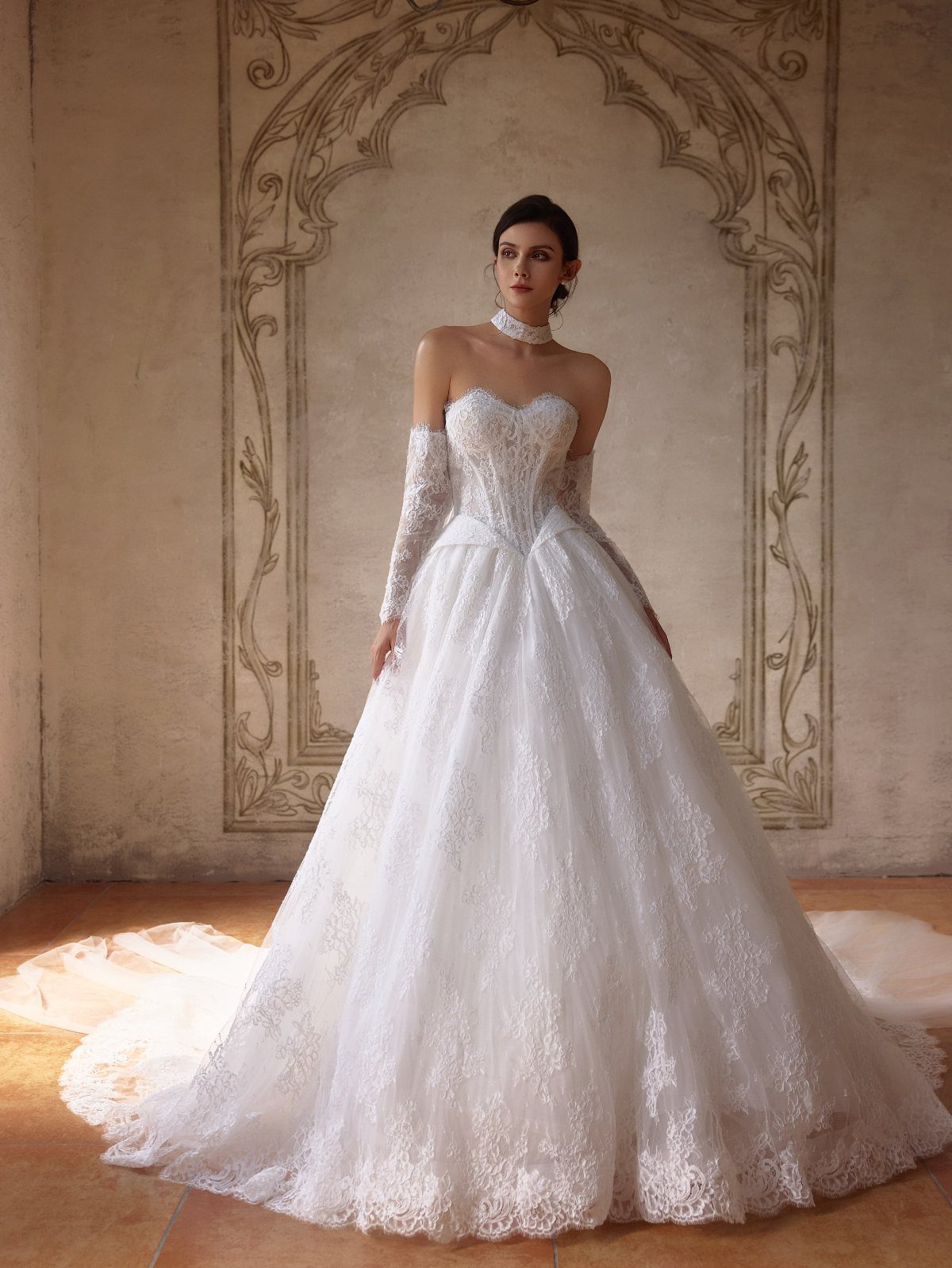
Sculpted bodices use boning, paneling or darting to create shape that holds on its own, no cinching required. Detachable sleeves let you change the look between ceremony and reception without changing the entire dress.
The bodice is structured lace that defines the waist and supports the bust, and the sleeves attach at the shoulder seam so they lift off cleanly.
That modularity suits anyone who wants a formal look for photos but prefers bare shoulders once dancing starts. The sleeves can be long, three-quarter or cap, depending on how much arm coverage you want and what the season requires.
4. Handcrafted Gowns
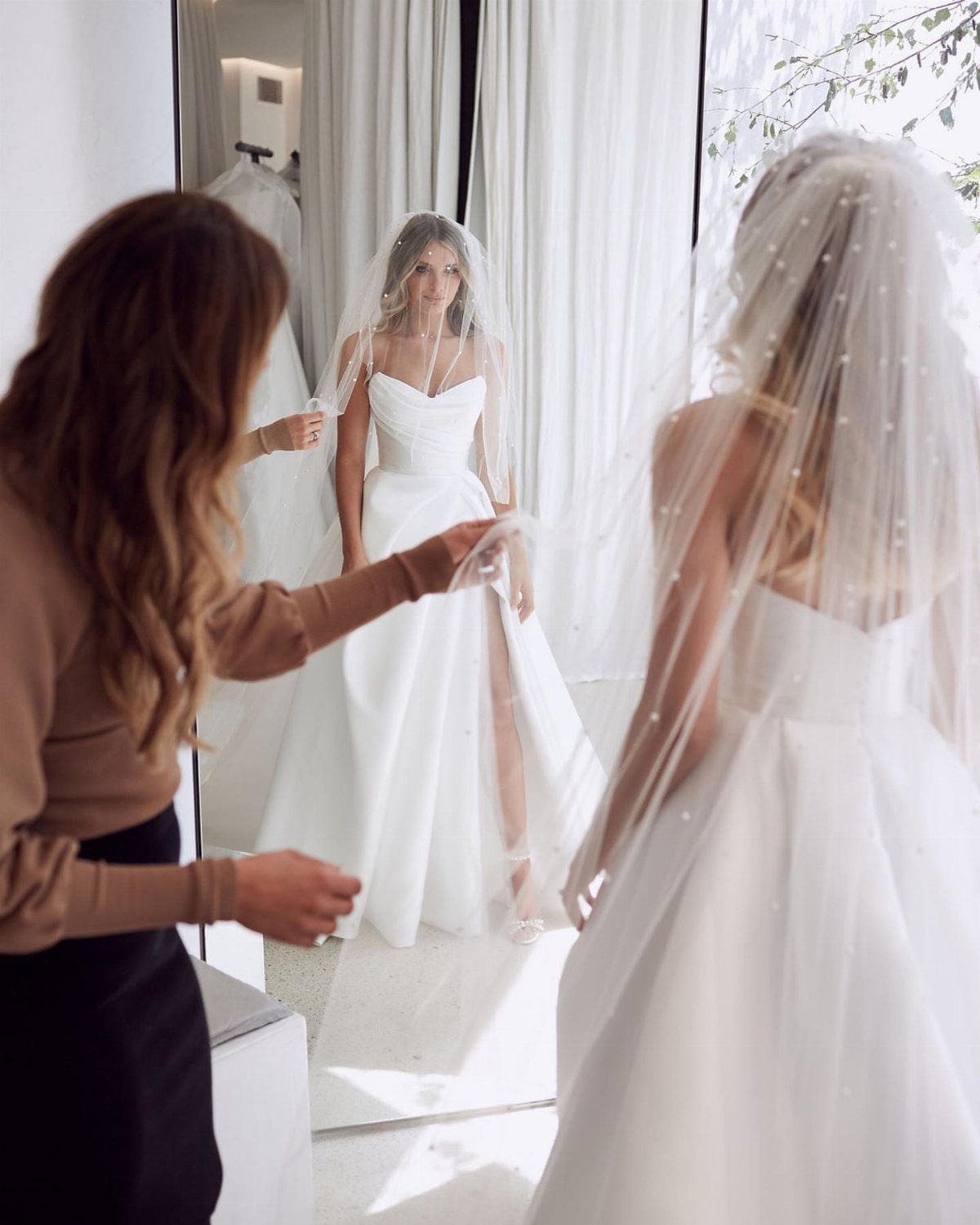
Enzoani launched in 2006 and built its reputation on handcrafted construction that blends traditional European tailoring with modern silhouettes.
Each gown is sewn and finished by hand, which means seams lie flat, embellishments sit securely, and fit adjustments happen at the garment level rather than after the fact.
The strapless shape here keeps the focus on the bodice and lets the fit do the work. Handcrafted gowns take longer to produce than factory-made options, so confirm lead times before you commit, especially if your timeline is tight.
5. Heavily Embellished Bodices and Flowing Skirts
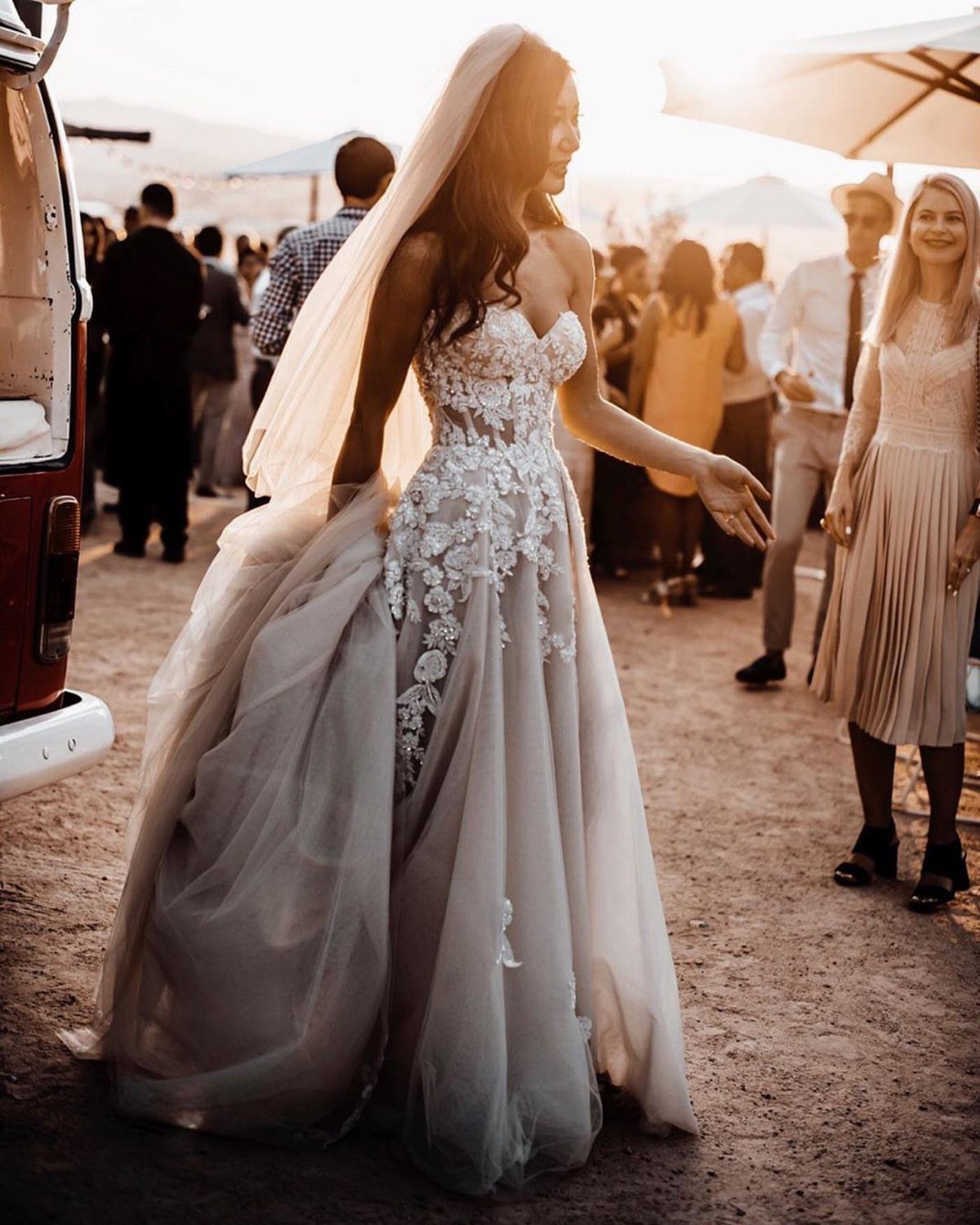
Heavily embellished bodices anchor the dress at the top, and a flowing skirt balances that weight with movement. The contrast between dense detail and airy fabric gives you formality without stiffness.
The bodice uses floral lace appliqué layered over the bust and waist, and the skirt is tulle that gathers softly rather than standing out like a ball gown.
That combination suits anyone who wants a gown that photographs as formal but still lets you move freely. The veil is long and sheer, which keeps the focus on the embellishment rather than competing with it.
6. Floaty Silk Chiffons and Satins
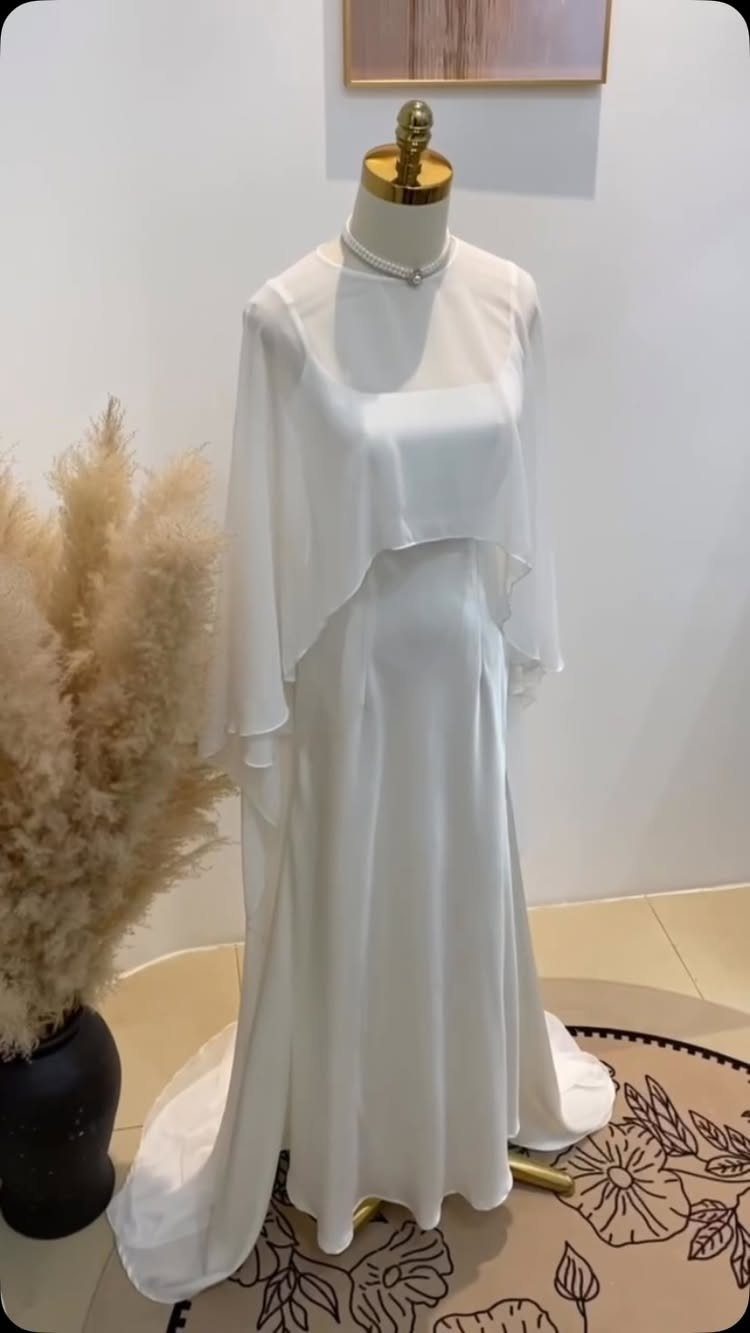
Silk chiffon and satin both drape softly, but chiffon reads lighter and moves more, while satin keeps its line and catches light.
Layering the 2 gives you structure underneath and float on top, which is how vintage-inspired gowns get that effortless look without losing formality.
The gown uses a sheer chiffon overlay that skims the satin skirt beneath, so the silhouette stays clean but the fabric adds texture.
That setup suits anyone who wants a dress that feels timeless rather than trend-driven. Silk wrinkles more easily than synthetic alternatives, so plan for steaming before the ceremony and handle the fabric carefully during transport.
7. Pronovias
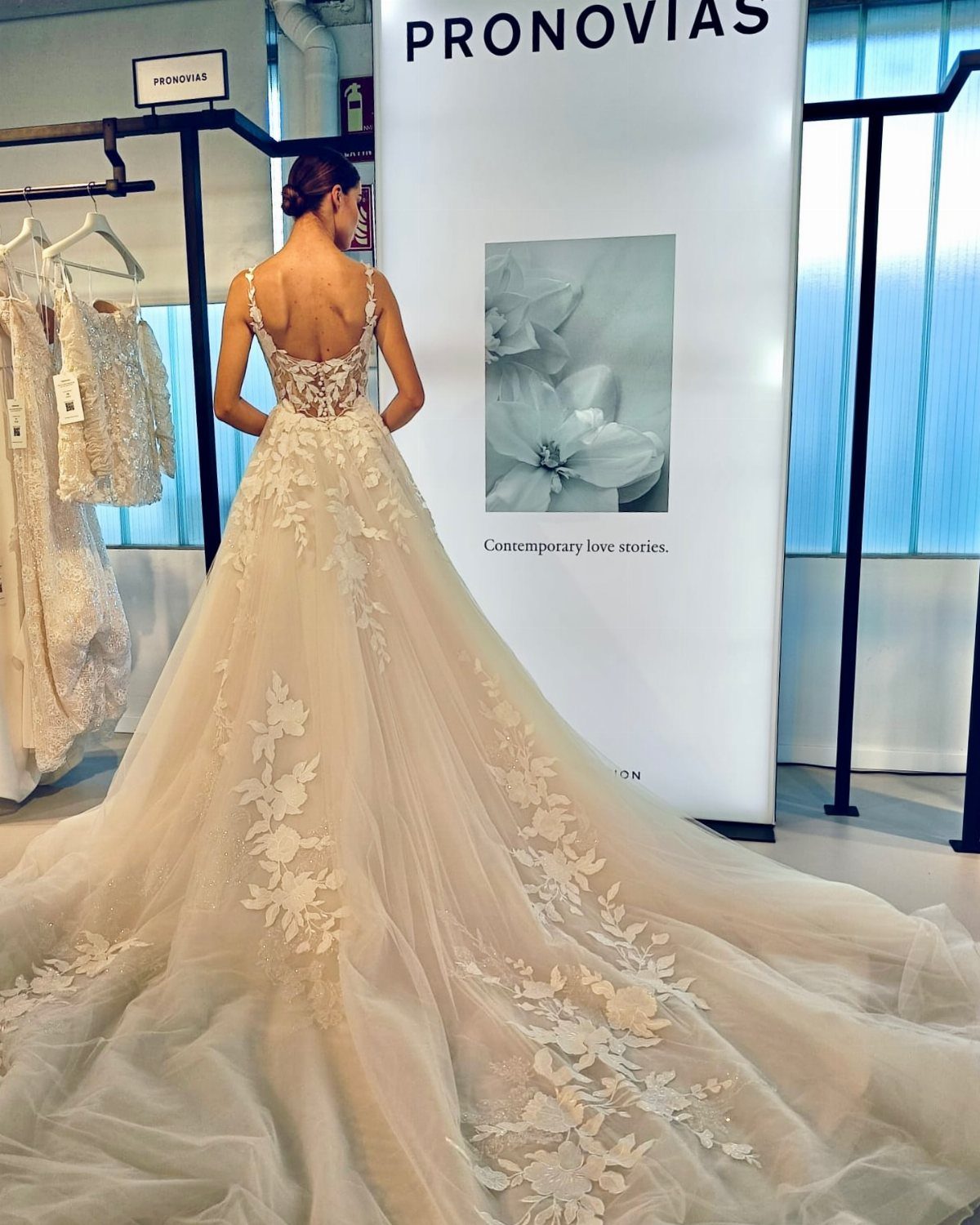
Pronovias stocks gowns across a wide style range, from classic ball gowns to minimalist columns, which means you can narrow by silhouette and still find several options that work.
The brand operates flagship stores in major US cities and partners with bridal boutiques internationally, so you can try on before you buy.
The lace gown visible uses floral appliqué that runs from bodice to hem, and the fit stays close through the waist before flaring into a chapel train.
Special orders take time, so plan ahead if you need alterations or custom sizing.
8. Intricate Lace Couture Designs
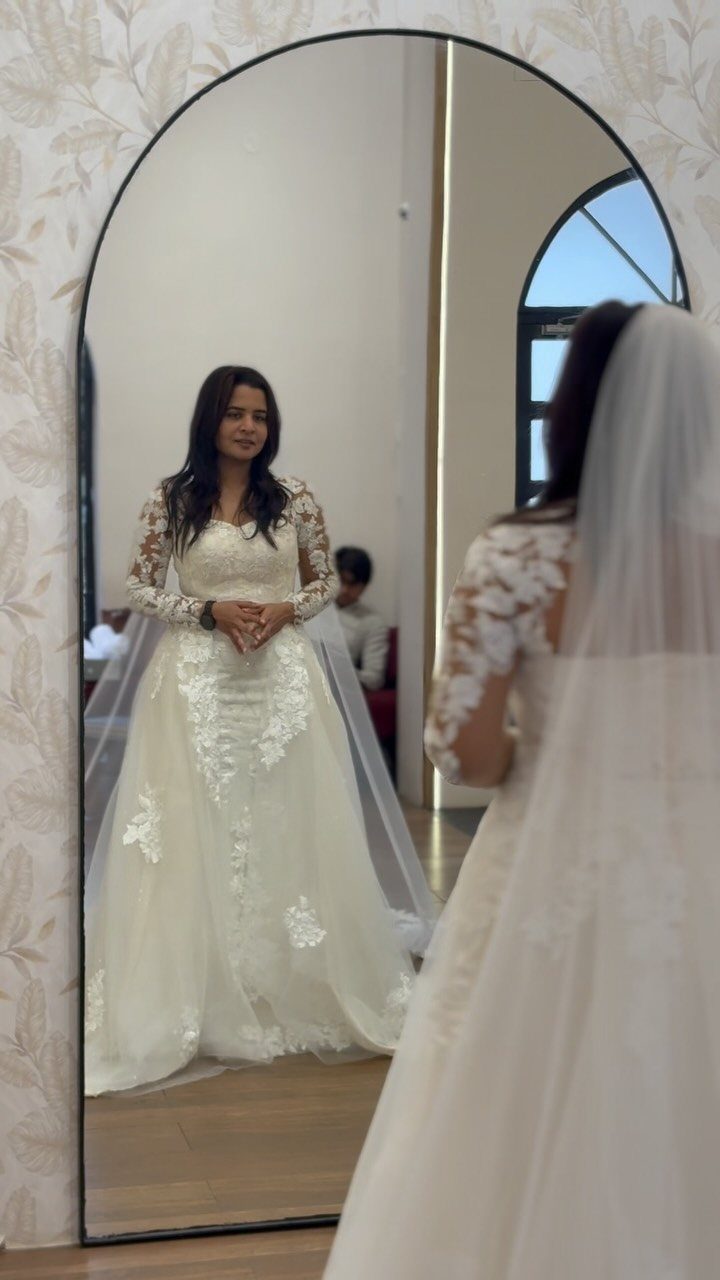
Couture lace construction means each motif is applied by hand rather than printed or machine-stitched, so the pattern sits flush against the base fabric and the edges stay clean.
Long sleeves in lace add formality and coverage without weight, since the fabric is sheer enough to let your skin tone show through.
The gown uses lace that continues across the bodice, sleeves and skirt in one unbroken pattern, which reads as cohesive rather than pieced together.
9. Romantic Runway-Inspired Wedding Gowns
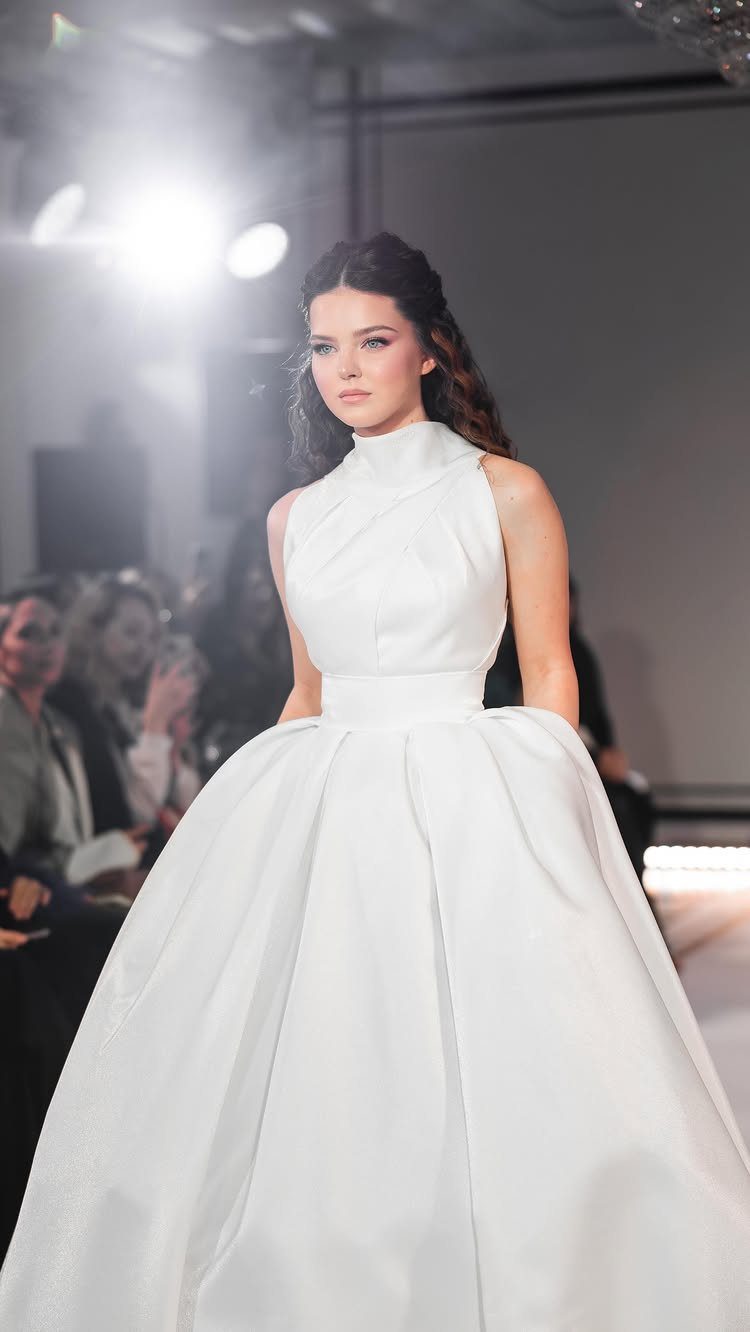
Runway-inspired gowns translate high-fashion shapes into wedding-appropriate silhouettes, which usually means volume in the skirt, a statement neckline, or both. The result feels editorial without losing the formality a wedding requires.
The high-neck ball gown uses a fitted bodice that sits close through the waist, then releases into a full skirt with enough structure to hold its shape.
After debuting a custom wedding dress for a Vogue bride last summer, she’s chosen to integrate more bridal-inspired pieces into her collections. Her references may be rooted in the past, but her designs feel modern and can be worn with ease.
— Vogue
10. Modern Silhouettes
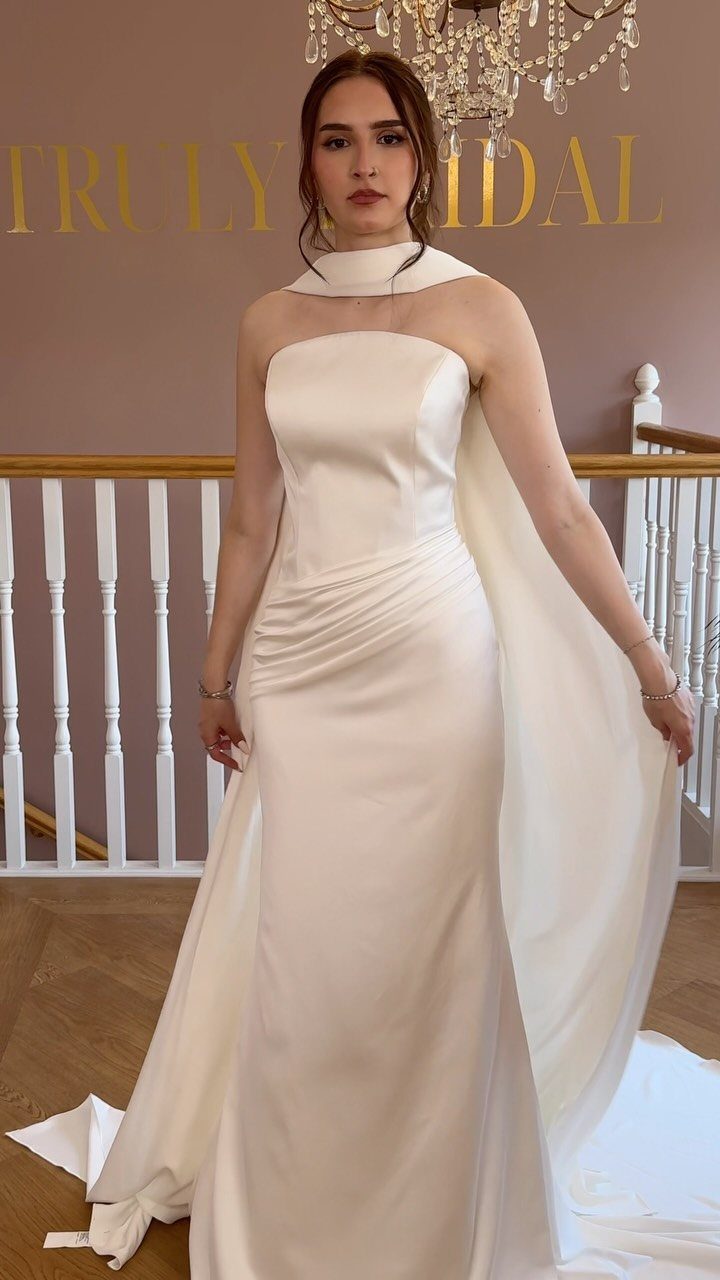
Modern silhouettes strip out excess detail and let the shape do the work. Strapless bodices with clean lines, asymmetric draping or architectural neck straps give you formality through structure rather than embellishment.
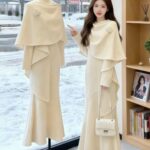
The gown visible uses a draped waist that gathers at one side, and a capelet adds coverage without sleeves.
Choosing the Right Designer
Start with your personal style and budget before you narrow by designer. A bridal stylist can suggest names once you describe what you like, but that only works if you already know which details hold your attention.
Try gowns from several designers once you’re in the boutique.
What suits you on paper may not read the same way on your body, and seeing how each brand cuts its bodices or finishes its seams gives you information a website cannot.
Some designers favor structure, others prioritize drape, and that difference shows up in fit before you commit to anything.
Your budget sets a realistic range. Most designers produce multiple collections at different price points, so confirming what sits within reach before your appointment keeps the process focused.
Understanding Price Ranges
Most designer wedding dresses sit between $2,000 and $5,000, though the actual price depends on the brand and what you choose. The fabric, how the dress is made and how much detail goes into it determine where in that range you land.
Custom work and couture-level embellishment push costs higher, so confirm what’s included before you place an order.
Gowns that use silk rather than synthetic fabric, hand-applied lace rather than printed motifs, or boning and structured foundations rather than simple seaming all cost more to produce, and that shows up in the final price.
Alterations sit outside the gown price, so budget separately for hemming, taking in seams, or adjusting necklines.
Customization Options
Many designers offer customization, which lets you adjust sleeve length, neckline or skirt volume without ordering a fully bespoke gown.
That option suits anyone whose taste sits between 2 existing styles or who needs a specific detail changed to match the venue or season.
Higher-end brides sometimes select multiple dresses for different parts of the day: one gown for the ceremony, another for the reception, and occasionally a third for photos.
Custom stationery can match the formality level of the gown, so the invitation and the dress read as part of the same vision.
Frequently Asked Questions
What are the top brands for wedding dresses?
Pronovias, Pallas Couture and Enzoani rank among the most recognized names, each offering distinct approaches.
Pronovias offers everything from structured ballgowns to slip silhouettes, Pallas Couture tailors each piece to your measurements, and Enzoani pairs Old World technique with cuts that feel current.
What is the average cost of a designer wedding dress?
Designer gowns typically range from $2,000 to $5,000, with hand-beading, silk fabrication and bespoke construction pushing the price higher.
Silk, hand-applied lace and structured foundations all push costs higher than synthetic alternatives or simpler seaming. Alterations are billed separately, so budget for those adjustments outside the gown price.