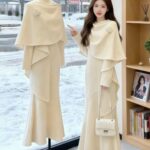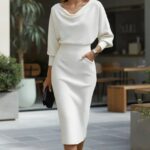
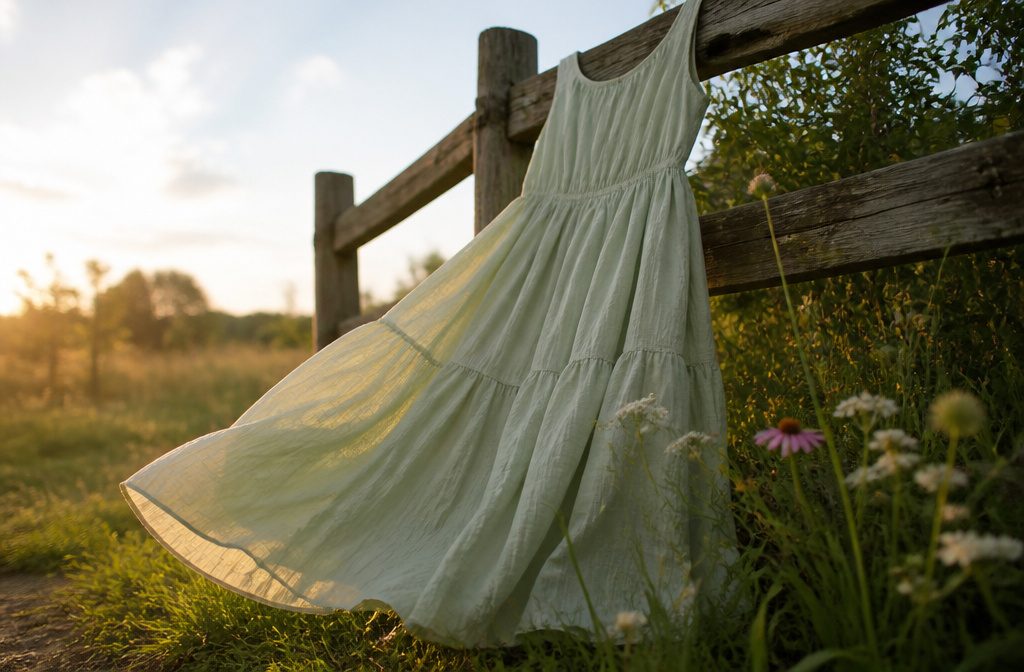
Cotton summer dresses are sleeveless or short-sleeve garments made from cotton or cotton-blend fabric, cut in silhouettes that range from fitted sheaths to flowing maxis.
The fabric matters most when the dress follows your body closely, because cotton’s breathability keeps a sheath or wrap dress cool where synthetic fabric would trap heat against your skin.
Why Cotton Works for Summer
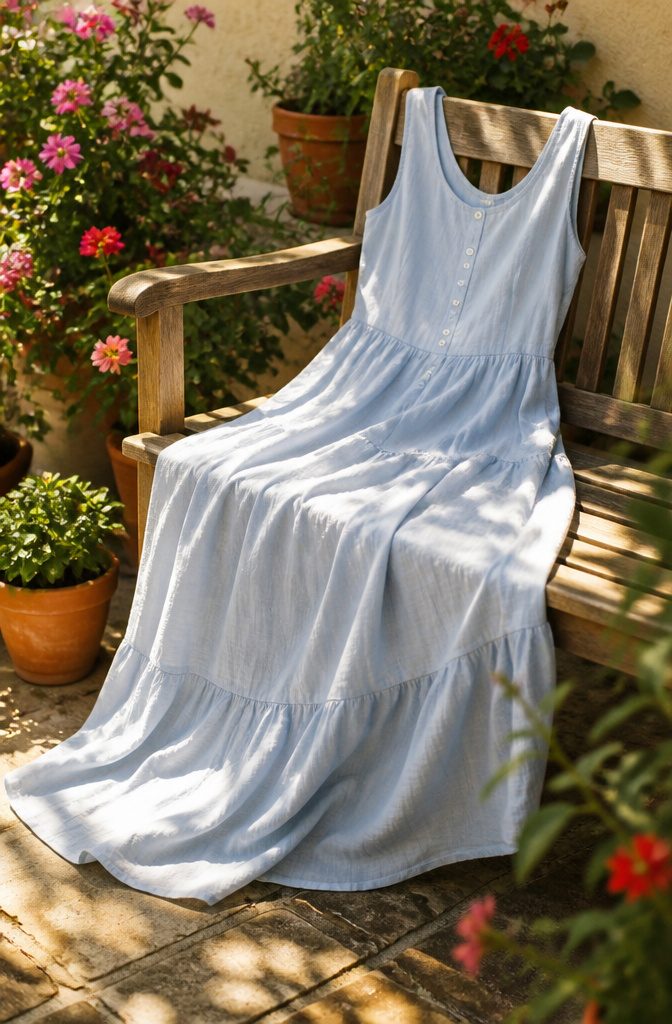
Cotton handles warm weather better than almost any other fabric because it allows air to move freely through the weave.
That circulation keeps you cooler when temperatures climb, and the fiber wicks moisture away from skin instead of trapping it against you the way synthetic materials tend to do.
A cotton dress dries faster after you sweat, which matters when you’re outside for more than an hour.
Durability is the other reason cotton makes sense for summer. The fabric holds its shape through repeated wear and comes out of the washing machine without much fuss.
Cotton and cotton blends are both machine washable, so care stays simple even when you’re rotating the same few dresses through a busy week.
The color holds longer than you’d expect, and seams stay intact season after season if the construction is decent to begin with.
1. Sheath Dresses
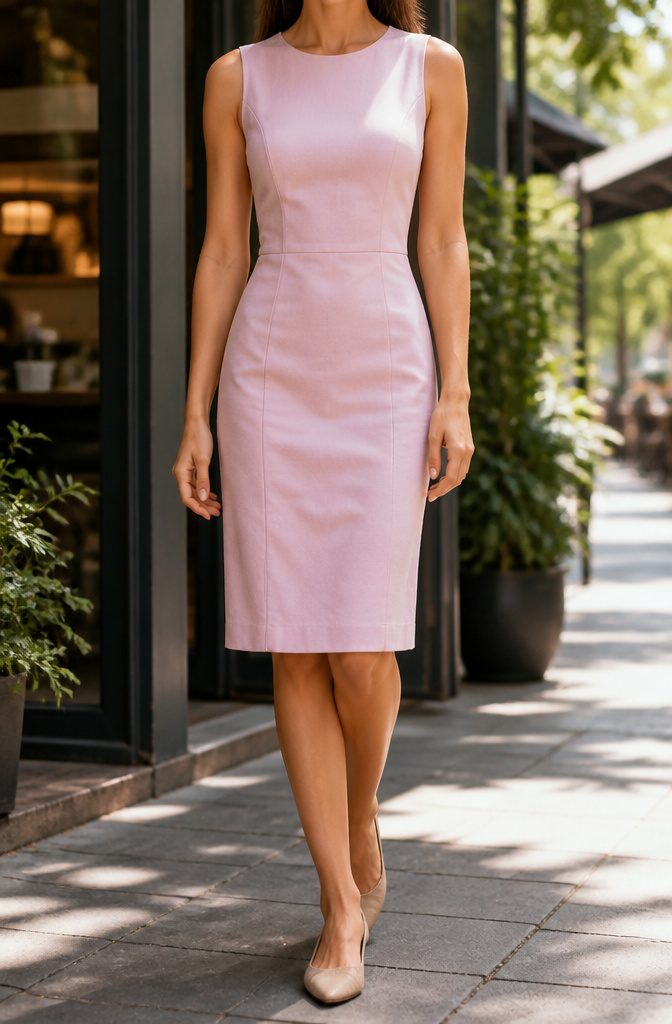
The sheath dress delivers what cotton does best in summer: a clean, fitted shape that keeps you cool without sacrificing polish.
It follows your silhouette from shoulder to hem, which means the fabric matters more here than in looser styles. Cotton’s breathability becomes an advantage rather than a compromise when you need structure and air circulation at the same time.
Talbots frames it well:
Whether you’re looking for a polished sheath for the office, a breezy midi for warm days, or an elegant option for special occasions, Talbots dresses are made to fit your life beautifully.
— Talbots
That balance between polish and wearability holds up in practice, especially when the dress moves from a meeting to dinner without needing a full change.
The streamlined cut also makes styling straightforward. A sheath in cotton works with flats during the day and heels in the evening, and the fitted shape means accessories register without competing.
It’s one of the few silhouettes that reads as intentional rather than casual, even in a natural fiber.
2. Shirt Dresses
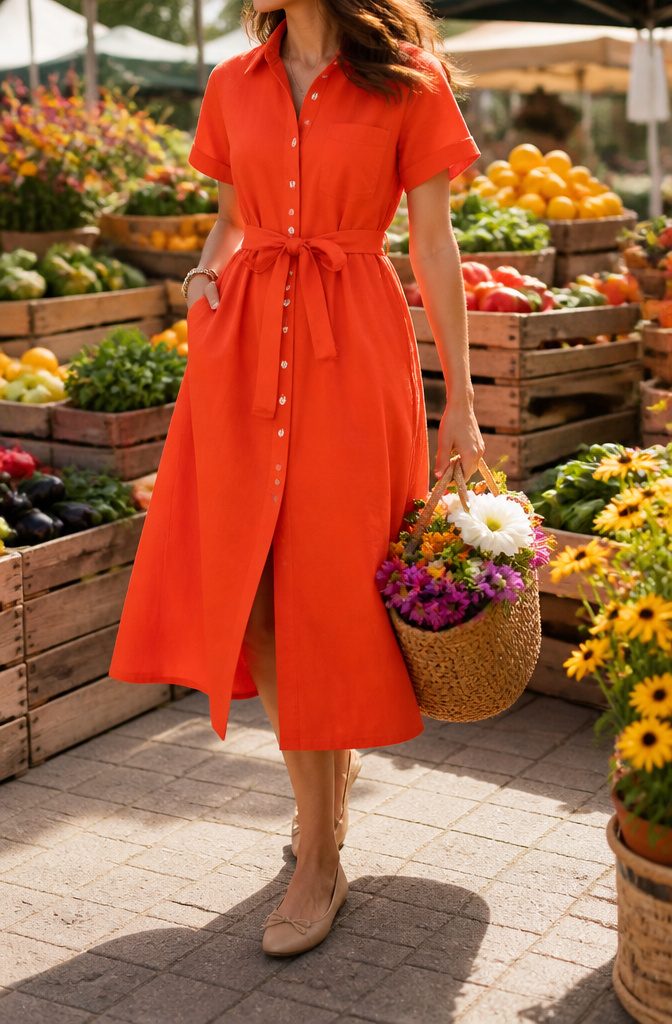
Shirt Dresses
The shirt dress sits at the point where casual meets polished, with a button-down front that lets you take it from a morning run to the farmers market straight through to dinner without feeling overdressed or underprepared.
Flats work during the day when you’re moving between errands, and heels sharpen the silhouette for evening plans.
The structure keeps it from reading as too relaxed, but the fit gives you room to move without pulling or bunching in the heat.
Cotton makes the style breathable enough for full sun, and the buttons let you adjust ventilation as the temperature shifts. It’s one of those pieces that earns its place by doing double duty without looking like it’s trying too hard.
3. Wrap Dresses
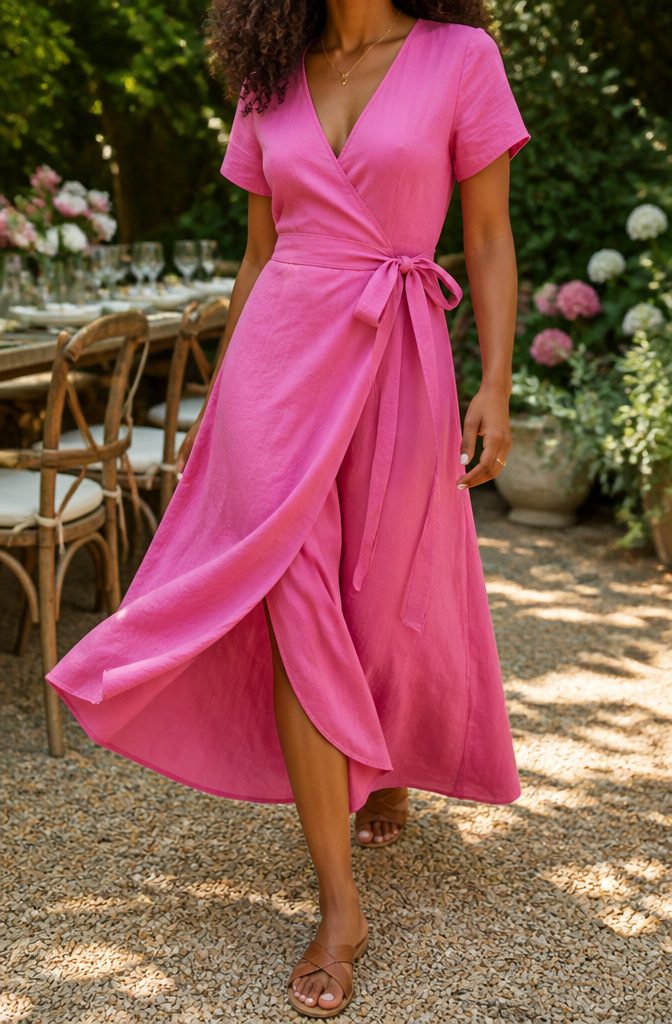
The wrap dress earns its reputation as universally flattering because the waist ties exactly where you need them. You control the fit, and that adjustability means the same dress works whether your shape leans toward an hourglass, pear, or apple.
The fabric drapes rather than clings, so it skims over areas you’d rather not emphasize while the V-neckline draws the eye upward and lengthens the torso.
What makes it worth keeping in rotation is how easily it moves between occasions. The same wrap dress works for a garden party with sandals, then shifts to evening with heels and statement earrings.
Cotton keeps it breathable enough for daytime heat, and the flowing skirt gives you room to move without feeling overdressed or too casual.
A wrap dress in a solid color or delicate print covers more ground than most single pieces in your closet.
4. Midi Dresses

The midi sits at mid-calf, a length that adapts to the season rather than forcing you into one narrow window.
Cotton midi dresses work through multiple months because the hemline pairs naturally with boots when the temperature drops and sandals once it climbs back up.
You get the coverage and flow of a longer dress without committing to ankle-grazing fabric that only makes sense in high summer.
Styling shifts with footwear. A cotton midi with ankle boots and a wool coat reads as fall or early spring.
Swap in flat sandals or low wedges and the same dress becomes a warm-weather piece. The length holds up across that range because it doesn’t rely on bare legs or heavy layering to look intentional.
5. Maxi Dresses
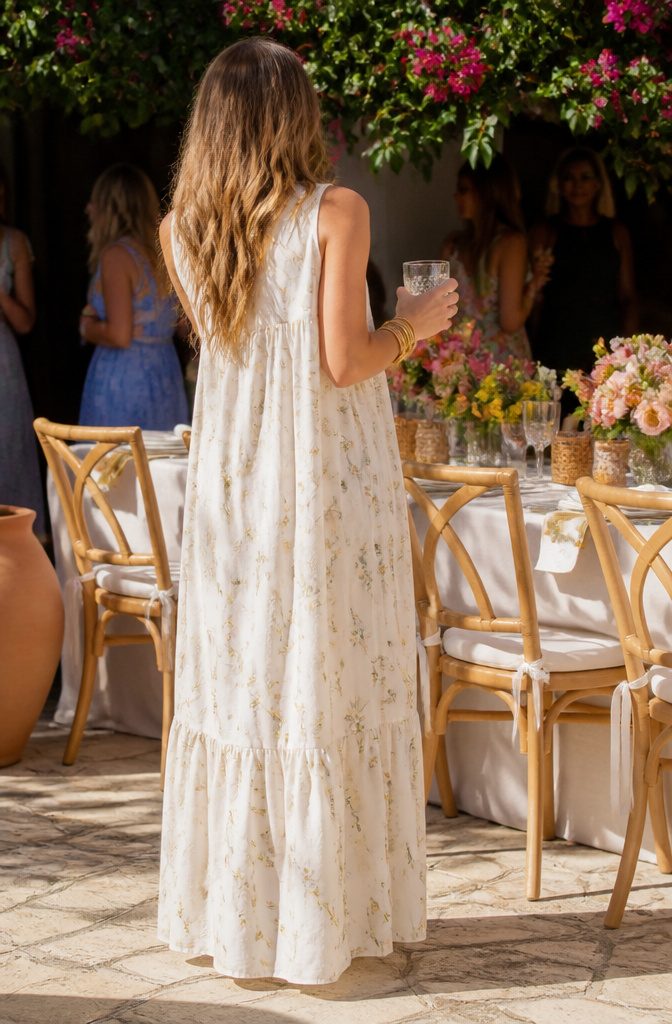
The long, flowing silhouette makes a maxi dress one of the easiest pieces to pack for a weekend trip or wear to an outdoor gathering when you want to look polished without much effort.
The fabric skims the body rather than hugging it, and full coverage from shoulder to ankle means you can skip the layering decisions that eat up time in the morning.
I reach for a maxi when the day involves multiple stops or a long stretch outdoors.
The length keeps your legs covered without feeling restrictive, and the drape moves with you rather than against you. Cotton versions breathe well enough that the extra fabric doesn’t trap heat the way a synthetic maxi would.
Maxi dresses work for more formal summer events too, especially in solid colors or small prints. The silhouette carries enough weight on its own, so accessories or a second layer become optional rather than necessary.
6. Fit and Flare Dresses
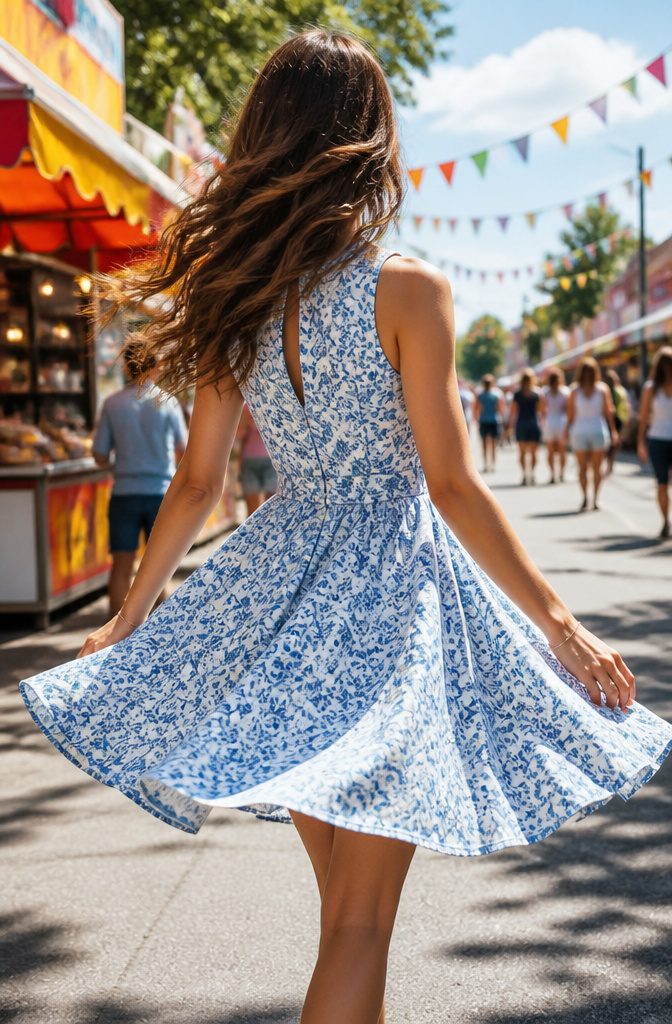
The fit and flare style solves a problem most summer dresses ignore: you need a dress that moves with you instead of clinging when the temperature climbs.
The fitted bodice holds its shape through the waist, and the skirt flares out from that point, which means air circulates instead of trapping heat against your legs.
That structure makes the waist the focal point without requiring a belt or any adjustment once you’ve zipped it up.
The flared skirt gives you enough room to walk quickly, bend down to pick something up, or sit without tugging fabric back into place.
I’d reach for this cut on any day that involves errands, a outdoor lunch, or anything where standing still isn’t part of the plan.
Cotton keeps the whole silhouette light enough that the flare doesn’t add bulk, and the fit stays clean without feeling restrictive.
7. A-Line Dresses
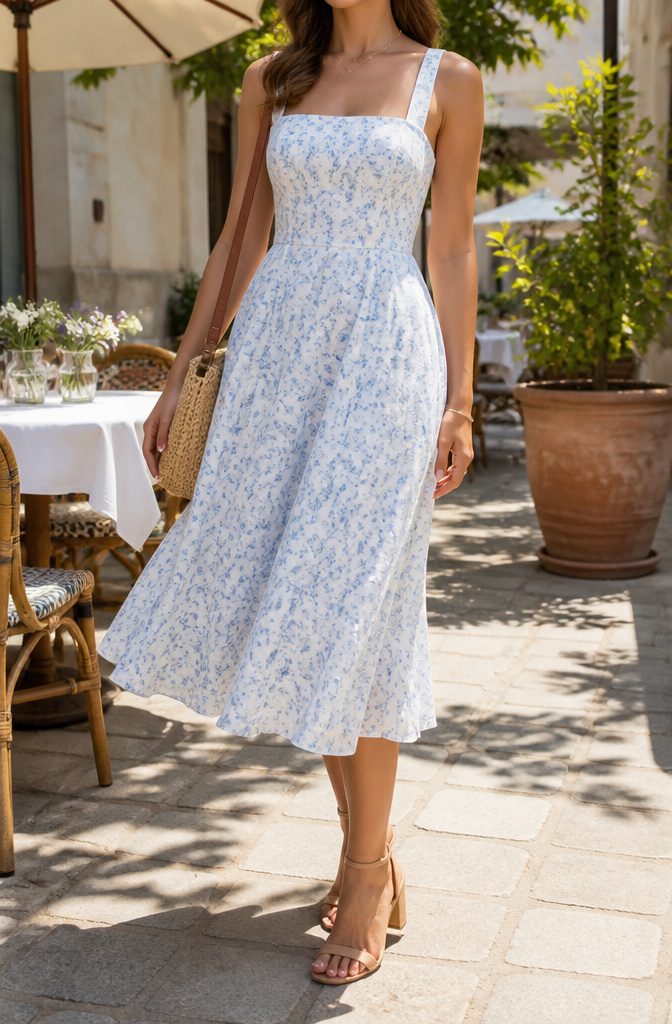
The A-line silhouette starts fitted through the bodice and flares gently from the waist, which is why it shows up so often in summer cotton dresses meant to work across body types.
That gradual flare balances a wider hip or fuller thigh without adding bulk at the waist, and the structure through the top half keeps everything from reading as shapeless.
If you carry weight through your midsection, the defined waist seam gives you a place to anchor the fit before the skirt does its work.
What makes the style practical for summer is that the skirt moves when you walk. Cotton already breathes better than most fabrics, but an A-line cut keeps the fabric from clinging when humidity climbs.
The flare also means you can wear it to a backyard wedding, a work event, or dinner without looking too casual or too formal. The shape reads as intentional, which is half the work of getting dressed in warm weather.
8. Mini Dresses
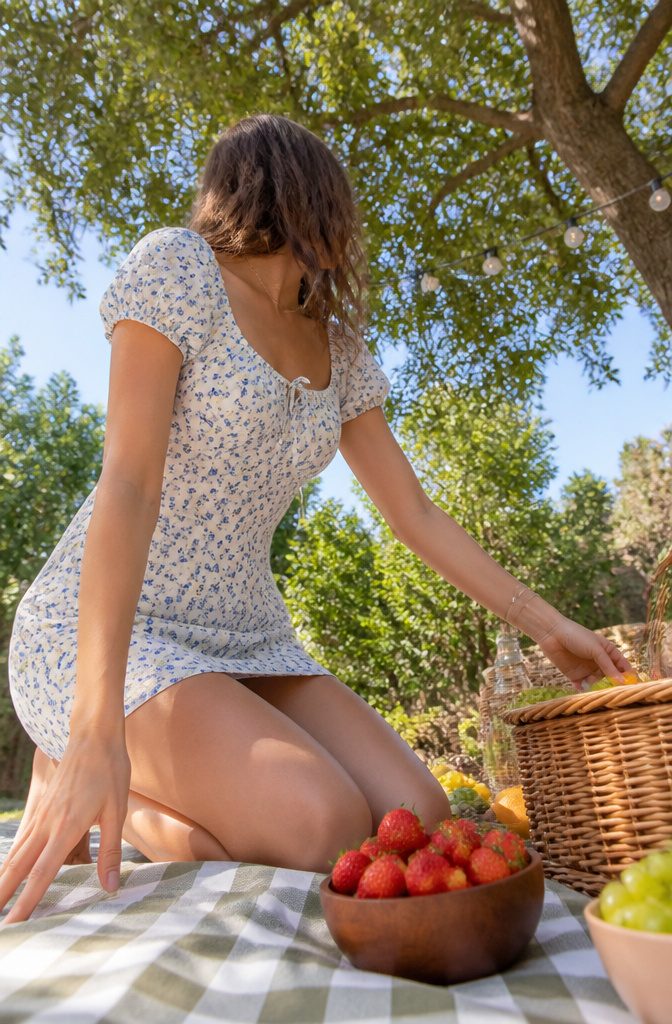
The mini dress sits above the knee, usually ending mid-thigh, and it works best when the day calls for movement rather than formality.
You’ll reach for this length at farmers’ markets, backyard gatherings, or any outing where sitting cross-legged on a picnic blanket feels more likely than standing through a ceremony.
Cotton keeps the silhouette from reading too dressy, which is exactly what makes a mini work in warm weather.
Pair it with flat sandals and a crossbody bag for errands, or add ankle boots and a denim jacket once evening temperatures drop.
The shorter hemline also means less fabric clinging to your legs in humidity, a practical advantage that becomes obvious the first time you wear one on a 90-degree afternoon.
How I Style Cotton Dresses for Different Occasions
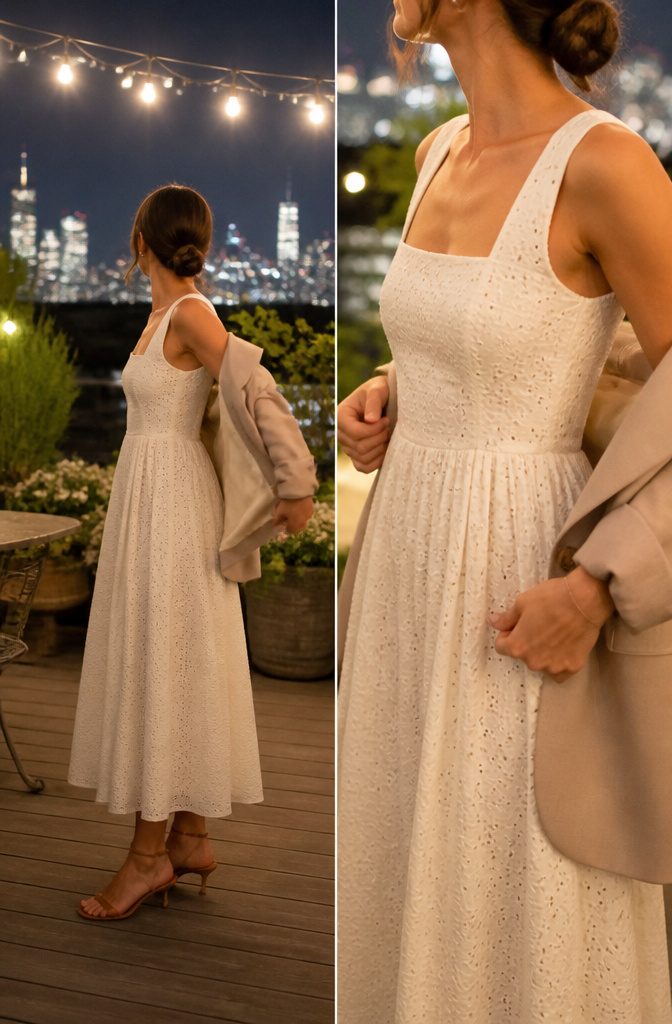
A cotton dress works harder when you know what to layer or swap in to shift the mood.
The same dress that goes to brunch in sandals shows up to dinner in heels and a blazer, and it takes less than you think to make the jump.
- Add a blazer for the office, then pull it off and swap in statement jewelry for evening. A sheath or wrap dress handles this best.
- Layer a midi dress with boots and a wool coat when the temperature drops, or go straight to sandals once it warms up.
- Belt a looser silhouette to define the waist, or throw a cardigan over it for softer structure without stiffness.
- Wear a shirt dress over ankle jeans for a modern casual look that still reads as intentional.
Accessories decide more than the dress does. Jewelry, shoes, and one good jacket move the same piece from weekend to work to evening without making you rethink the whole outfit.
Caring for Cotton Summer Dresses
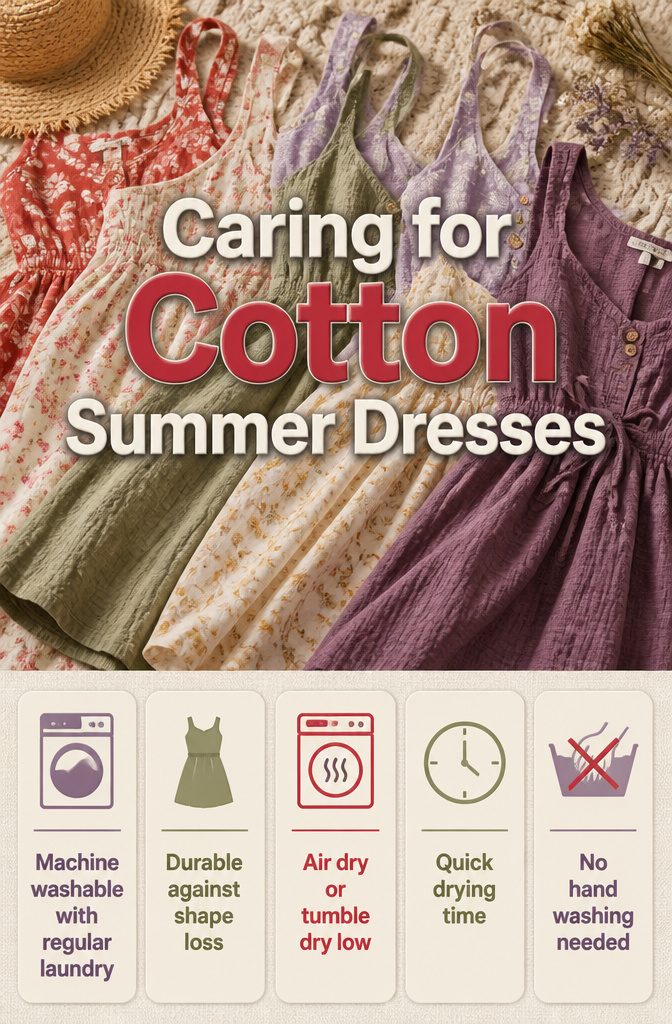
Machine washing works for cotton, no special cycle required. Toss the dress in with your regular laundry, use warm or cold water depending on colorfastness, and let it air dry or tumble on low.
Cotton dries faster than most natural fibers, so a dress hung on a rack in the morning is wearable by afternoon if you need it.
The fabric holds up to regular washing without losing shape or fading quickly, which matters if you’re rotating the same few pieces all summer.
A cotton sheath or midi can go through the wash weekly and still look presentable months later.
I reach for cotton when I know a dress will see heavy rotation, because the durability actually matches the promise. No hand washing, no delicate bag, no anxiety about whether this one survives another cycle.
Cotton vs Cotton Blends
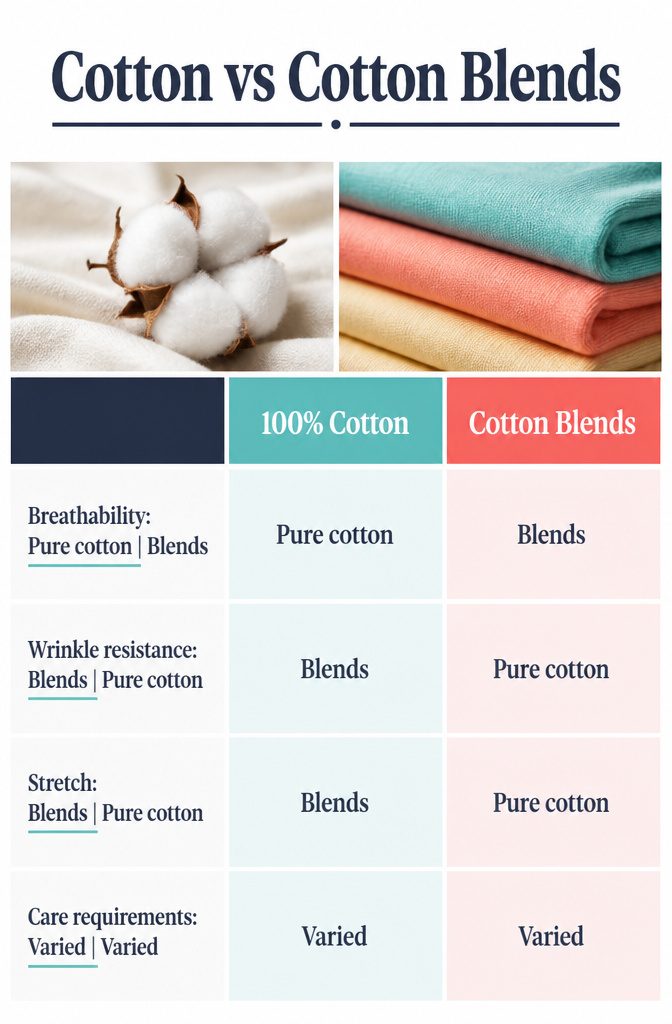
100% cotton breathes better than any blend. The pure fiber wicks moisture away from your skin and lets air move through the weave, which matters when you’re walking outside in July heat.
Cotton blends, usually mixed with polyester or spandex, add a little stretch and resist wrinkles better than the pure stuff, but they trap more heat against your body.
Wrinkle resistance tips the other way. A cotton-poly blend holds its shape through a day of sitting and comes out of the dryer smoother.
Pure cotton creases the moment you fold it, and most pieces need a quick pass with an iron or steamer before you wear them.
Stretch follows the same pattern: blends with even five percent spandex move with you, while 100% cotton stays put unless the weave itself has give.
Care requirements split down the middle. Pure cotton handles hot water and high dryer heat without trouble, and you can bleach whites when they dull.
Blends need gentler treatment to keep the synthetic fibers from pilling or losing their shape, so most labels call for warm water and medium heat at most.
Frequently Asked Questions
What styles of cotton summer dresses are available?
Cotton summer dresses come in eight main styles: sheath, shirt, wrap, midi, maxi, fit and flare, A-line, and mini.
Each silhouette handles warm weather differently, from the streamlined polish of a sheath to the easy movement of a maxi, so the right one depends on where you’re wearing it and how much coverage or structure you need.
How do I care for cotton dresses?
Machine wash cotton dresses with your regular laundry using warm or cold water, then air dry or tumble on low.
Cotton dries faster than most natural fibers and holds up to weekly washing without losing shape or fading quickly, so you can rotate the same pieces all summer without special treatment.
What occasions are cotton summer dresses suitable for?
Cotton summer dresses work across casual errands, office settings, garden parties, outdoor weddings, and evening dinners depending on the style and how you accessorize.
A sheath or wrap dress moves from work to dinner with a blazer swap, while a maxi handles formal summer events and a mini fits backyard gatherings or farmers’ markets.