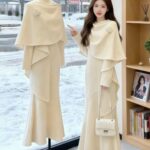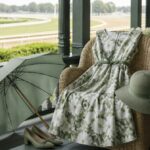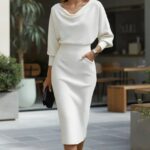
A dress can stop at the knee for errands or hit the floor for a formal event, and between those 2 lengths sits most of what you need.
You’ll find structured blazer silhouettes, draped wraps, bias-cut slips and flared A-lines, each one built for a different setting.
Body shape helps you narrow the field once you know the occasion. A pear shape works well with off-shoulder and halter necklines that pull the eye upward, while a straighter build gains shape from wrap styles and fit-and-flare cuts.
1. Maxi Dress
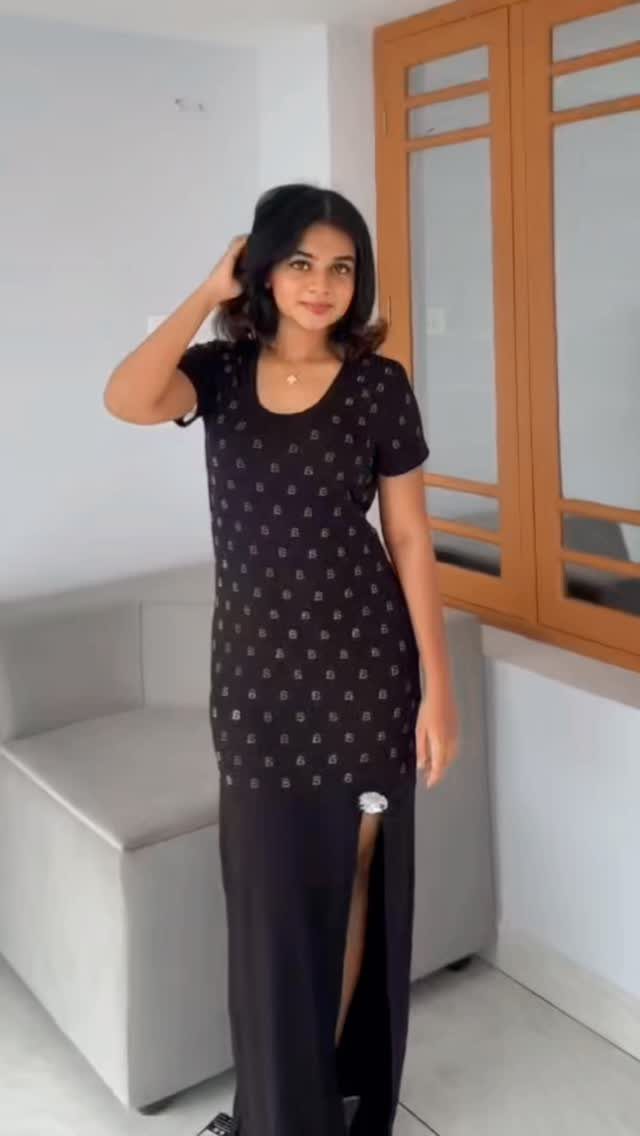
The fabric runs unbroken from shoulder to ankle, which makes a maxi dress the easiest way to look pulled together when you have no time to think about separates.
The length reads formal, but most versions are cut simply enough to work for daytime errands, and the side slit stops the fabric from dragging.
A solid color in jersey or cotton gives the most mileage. Patterns lift the dress into evening territory without much effort.
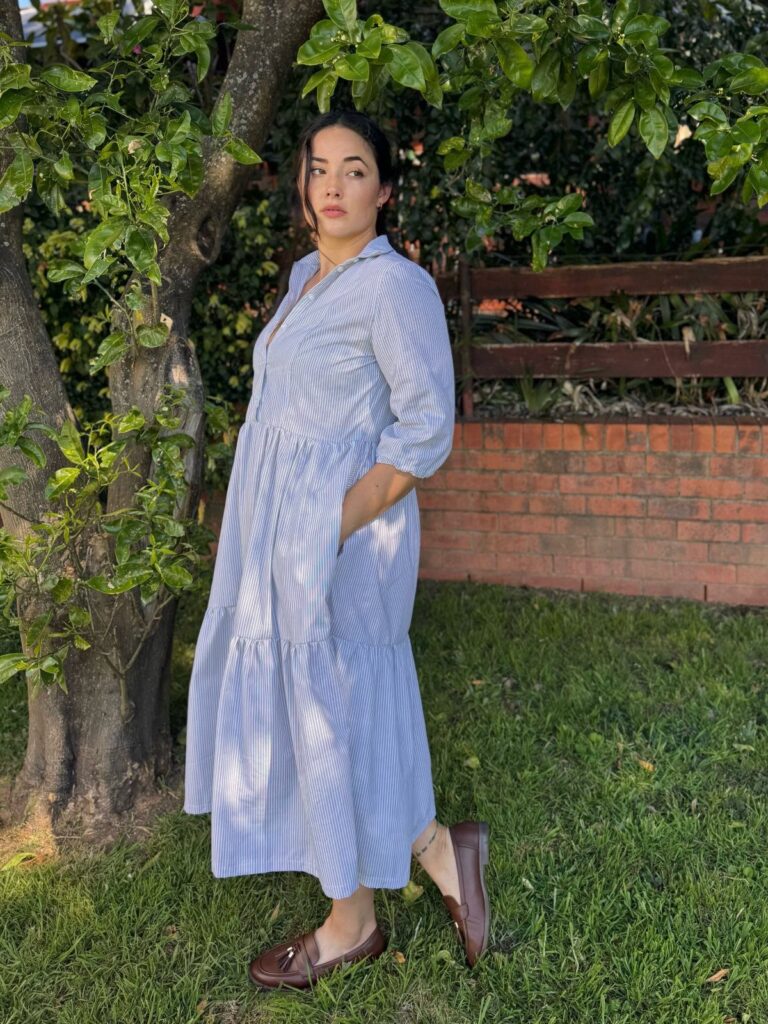
2. Shirt Dress
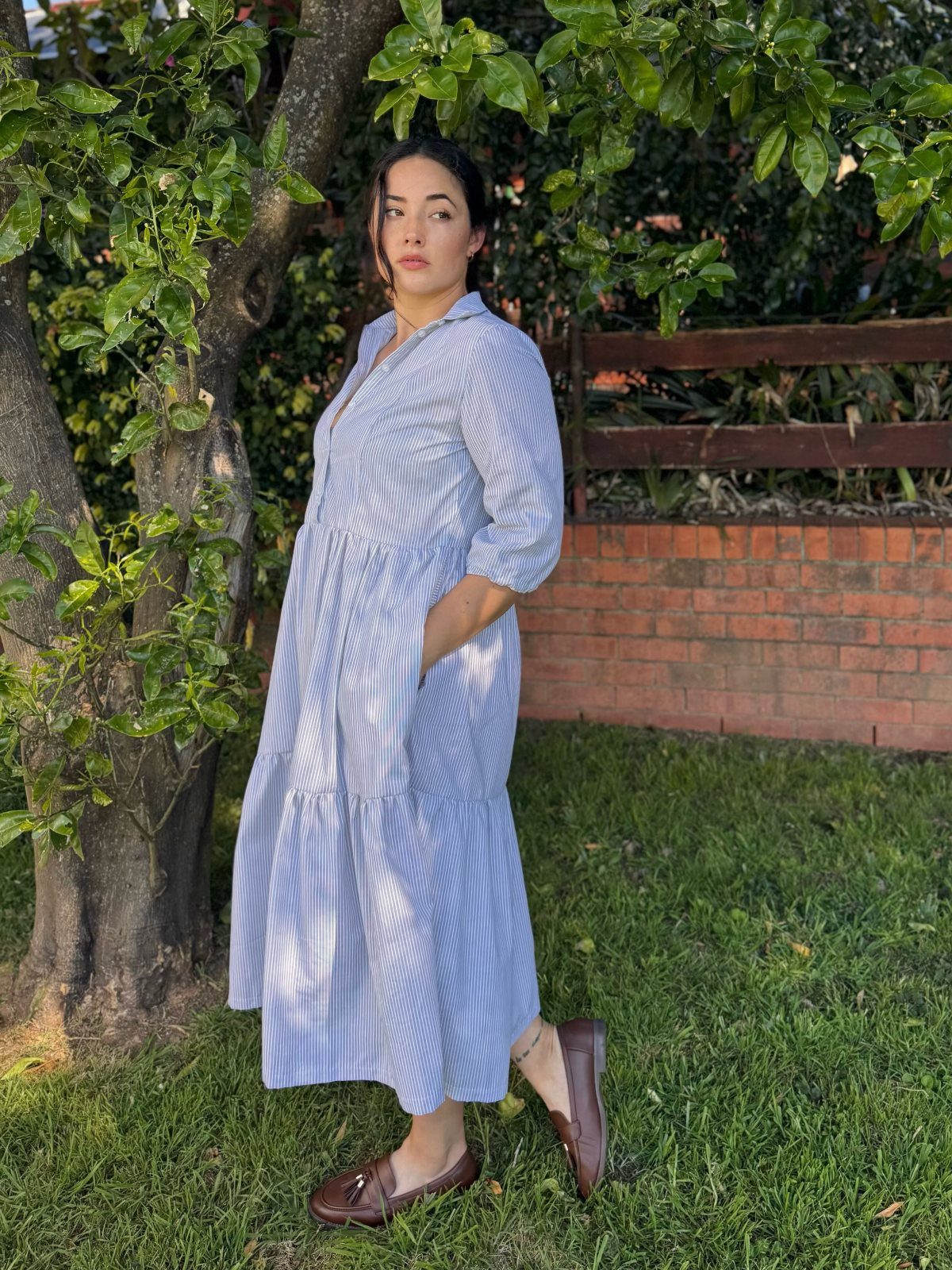
A shirt dress takes the collar, button placket and structure of a shirt and extends it far enough to stand alone. The result feels polished without trying, and it works over jeans just as well as it works alone.
Look for one in a cotton poplin or chambray if you plan to wear it through spring and summer.
A cinched waist or tie belt adds shape, though plenty of versions sit looser and still read finished. Roll the sleeves for a more casual line.
3. Blazer Dress
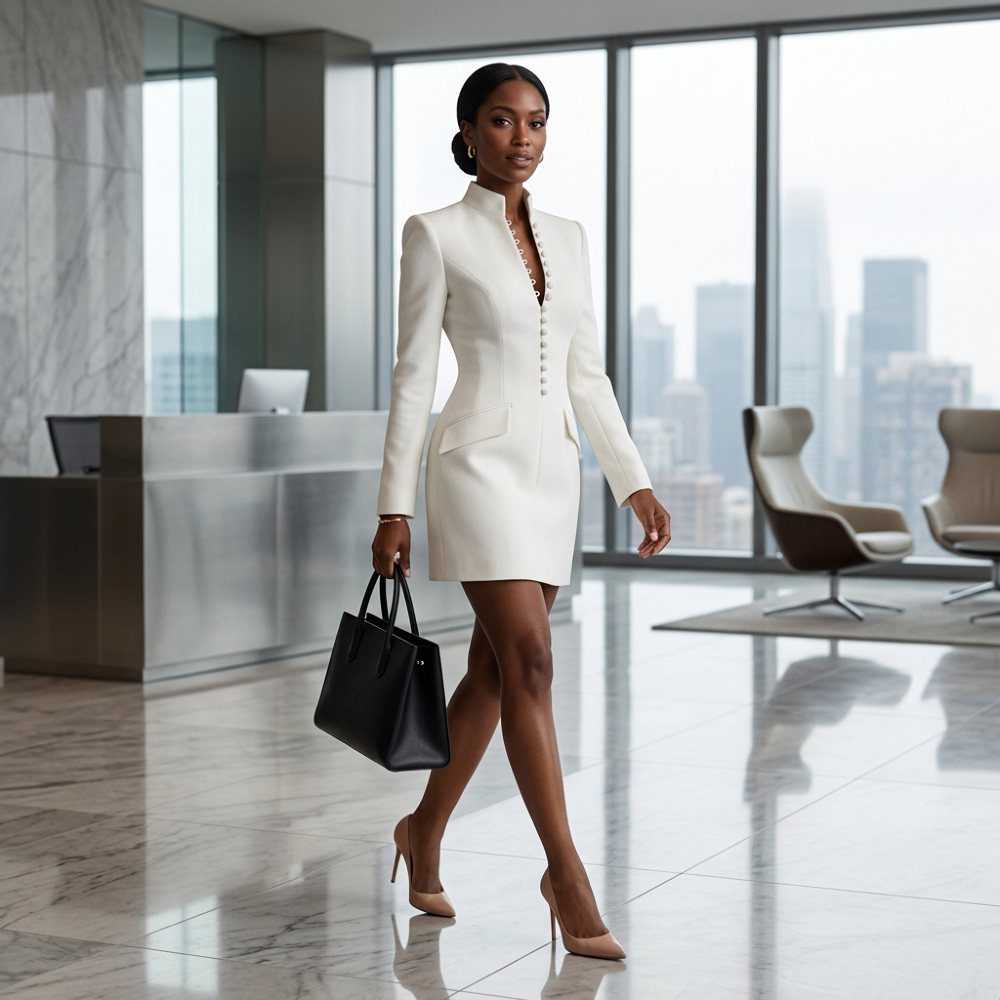
Blazer dresses borrow the tailored shoulders and lapels of a jacket but run long enough to wear alone. The silhouette skews professional, which makes it a strong choice when you need to look sharp without spending time on layers.
A belted version creates a waist; without one, the line stays straight and the dress reads minimal.
White or cream stays crisp, and black or navy works for evening. Pair it with heels to anchor the proportions.
4. A-Line Dress
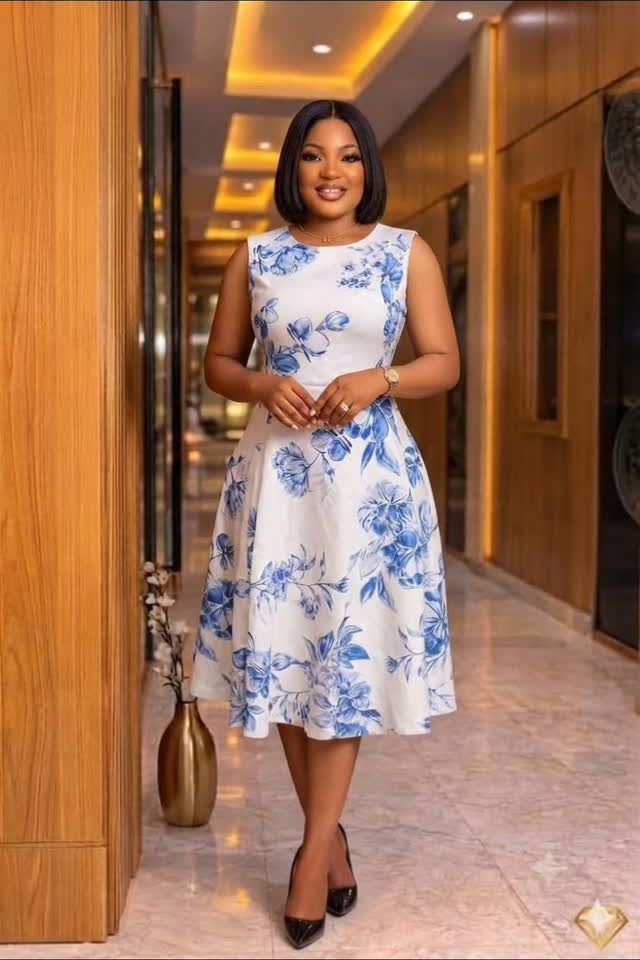
Fitted through the bodice, then widening steadily from the waist down, an A-line dress gives a clean, balanced shape that suits most body types without clinging.
The flare creates movement without volume, and the silhouette works equally well for daytime meetings or evening plans.
Florals and prints lift the dress into something celebratory, while solids keep it versatile. A knee-length hem is the most common, though midi and maxi versions exist.
5. Bodycon Dress
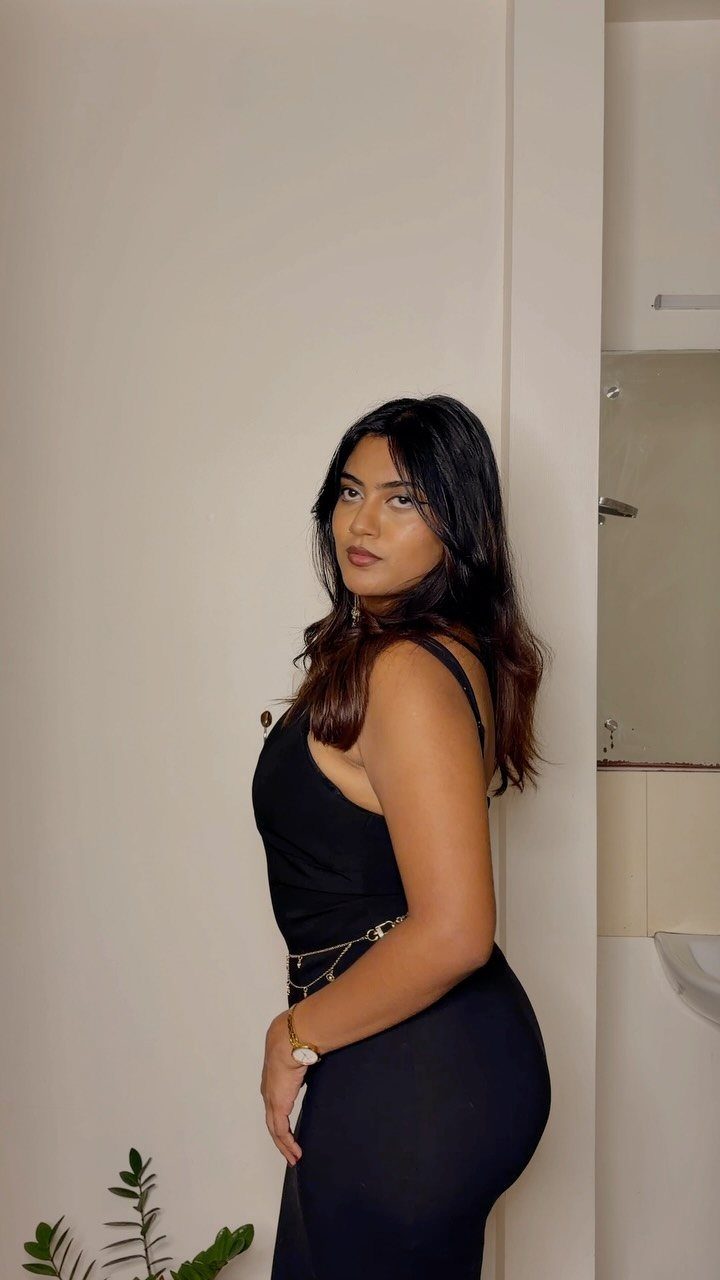
A bodycon dress stretches over the body rather than skimming it, which means every curve shows through. The fit is deliberate, and the dress works best when you want attention on shape rather than on layering or accessories.
Jersey, spandex blends and ribbed knits give the stretch the silhouette needs. Heels lengthen the line.
6. Wrap Dress
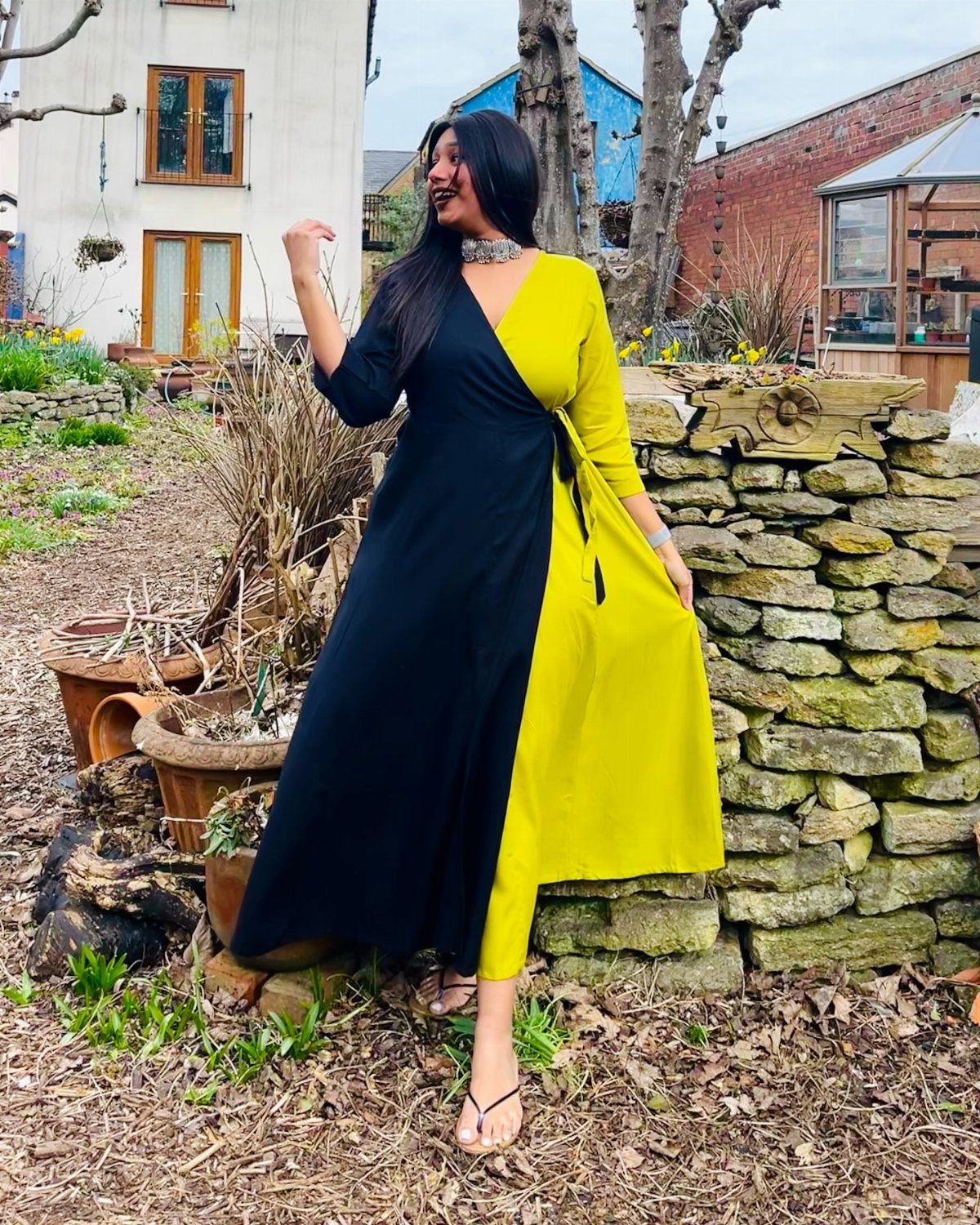
Wrap dresses close by drawing one side over the other and tying at the waist, which creates a V neckline and a fitted bodice without zippers or buttons.
The tie adjusts to your exact measurement, and the diagonal line adds shape without tailoring.
Jersey drapes well and moves easily, though cotton and silk blends also work. Color blocking or two-tone designs add visual interest, and the style transitions from work to dinner without looking out of place in either setting.
7. Sheath Dress
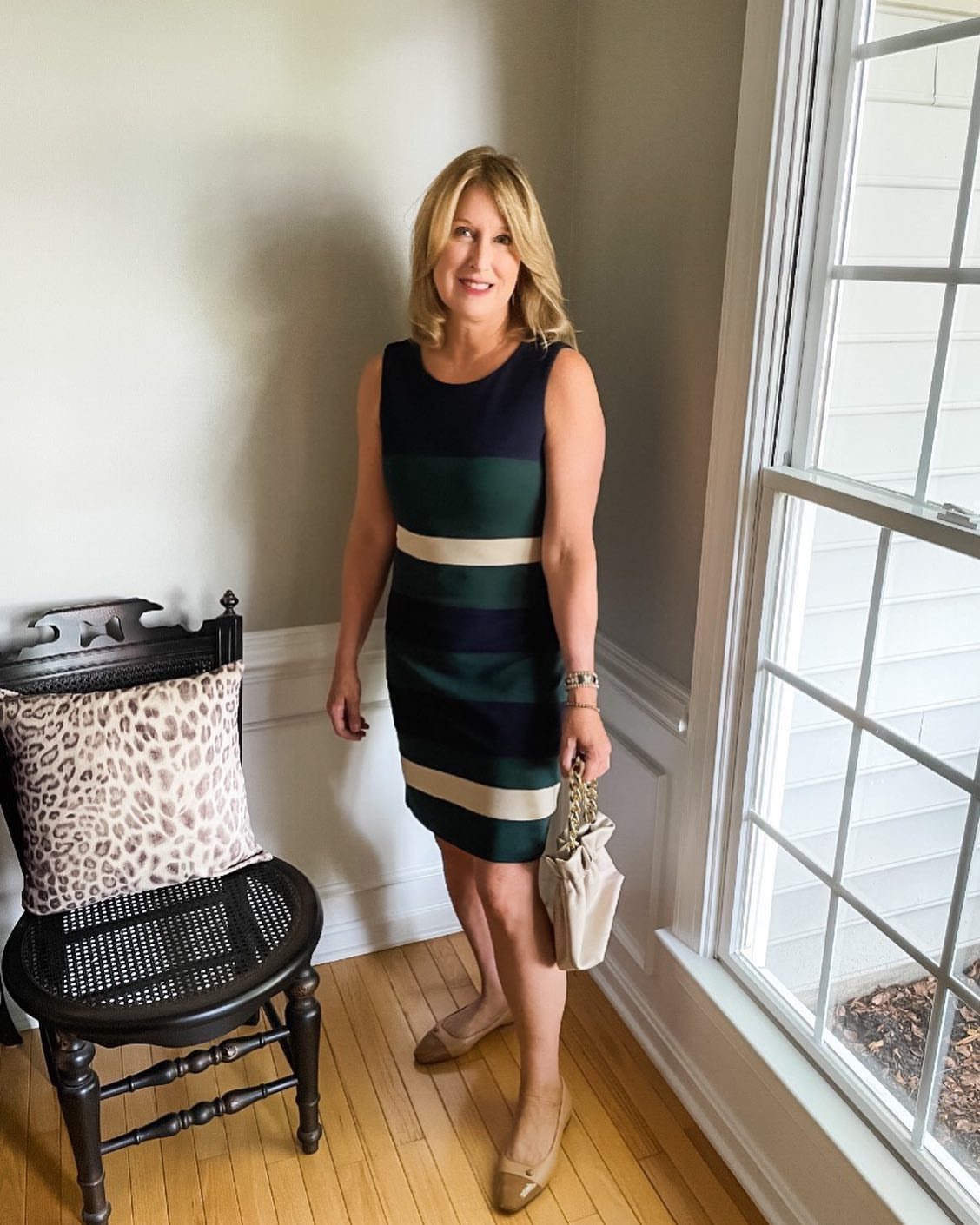
The fabric runs close to the body without gathering or flaring, which gives a sheath dress its smooth, unbroken line. The fit stays controlled, so the silhouette reads polished without extra detail.
Striped or color-blocked versions add dimension without bulk. Pair it with pumps to keep the proportions lean, and skip anything that adds width at the hip.
8. Evening Dress
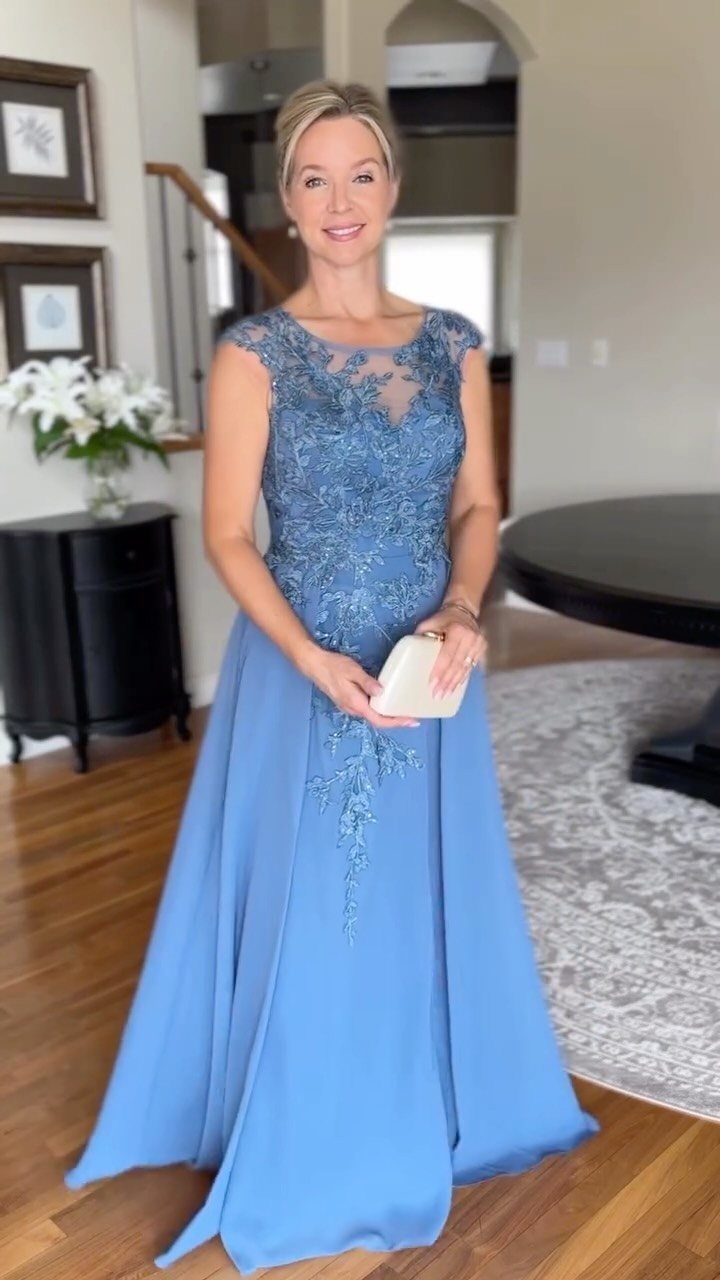
Floor-length fabric and a dressy material set an evening dress apart from anything you’d wear during the day. Lace, satin and silk blends hold up under low light, and the length alone signals formality.
The bodice holds close to the body while the skirt opens into motion. Metallic accessories stay minimal since the dress already carries the occasion.
Evening dresses are typically glamorous floor-grazing gowns that look good with heels because of their long hemlines and more formal vibe.
9. Off-Shoulder Dress
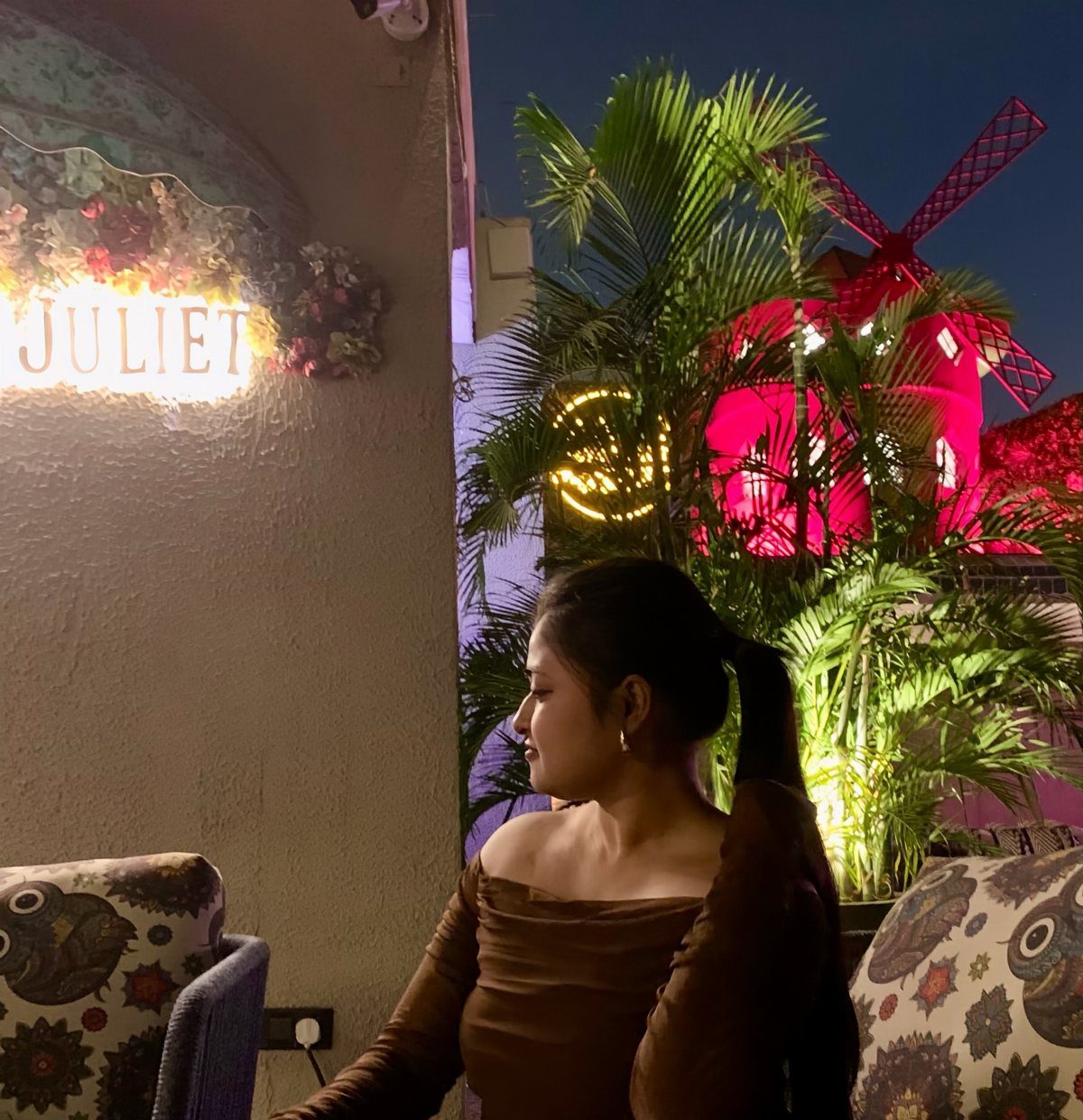
The neckline sits below the shoulder line, which shifts attention to the collarbone and arms. The sleeves stay attached but start lower, so the dress still offers coverage while opening up the upper half.
Fitted sleeves keep the silhouette clean, while looser fabric softens the look. Statement earrings fill the space the neckline creates.
10. Cocktail Dress
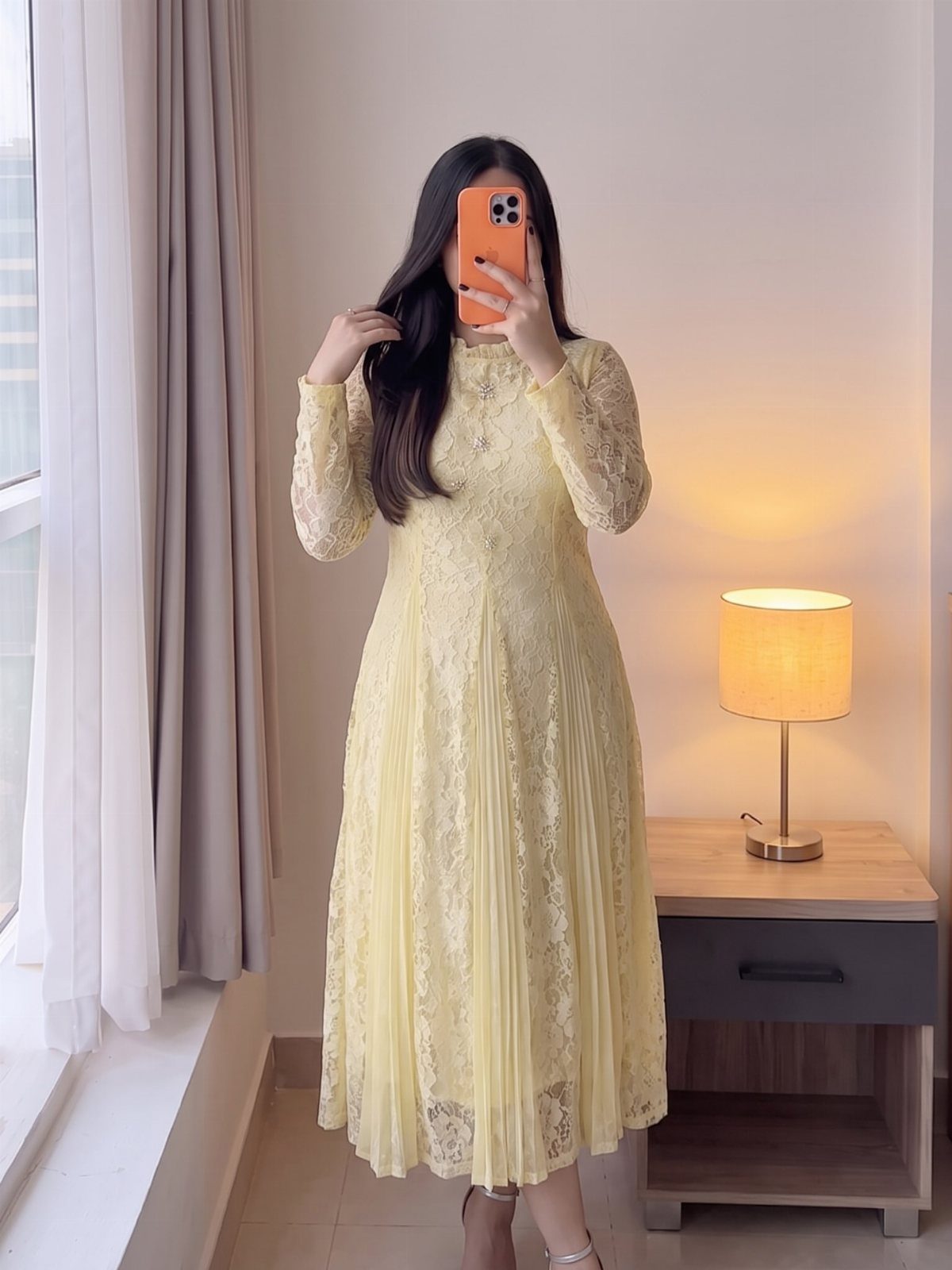
A cocktail dress sits between casual daywear and full evening formality, which makes it the right choice when the dress code stops short of floor-length.
Length varies, but knee to midi is most common, and the material leans dressier than cotton.
Lace adds texture without weight, and long sleeves bring the dress into cooler months. Heels and a small clutch finish the outfit without competing for attention.
11. Babydoll Dress
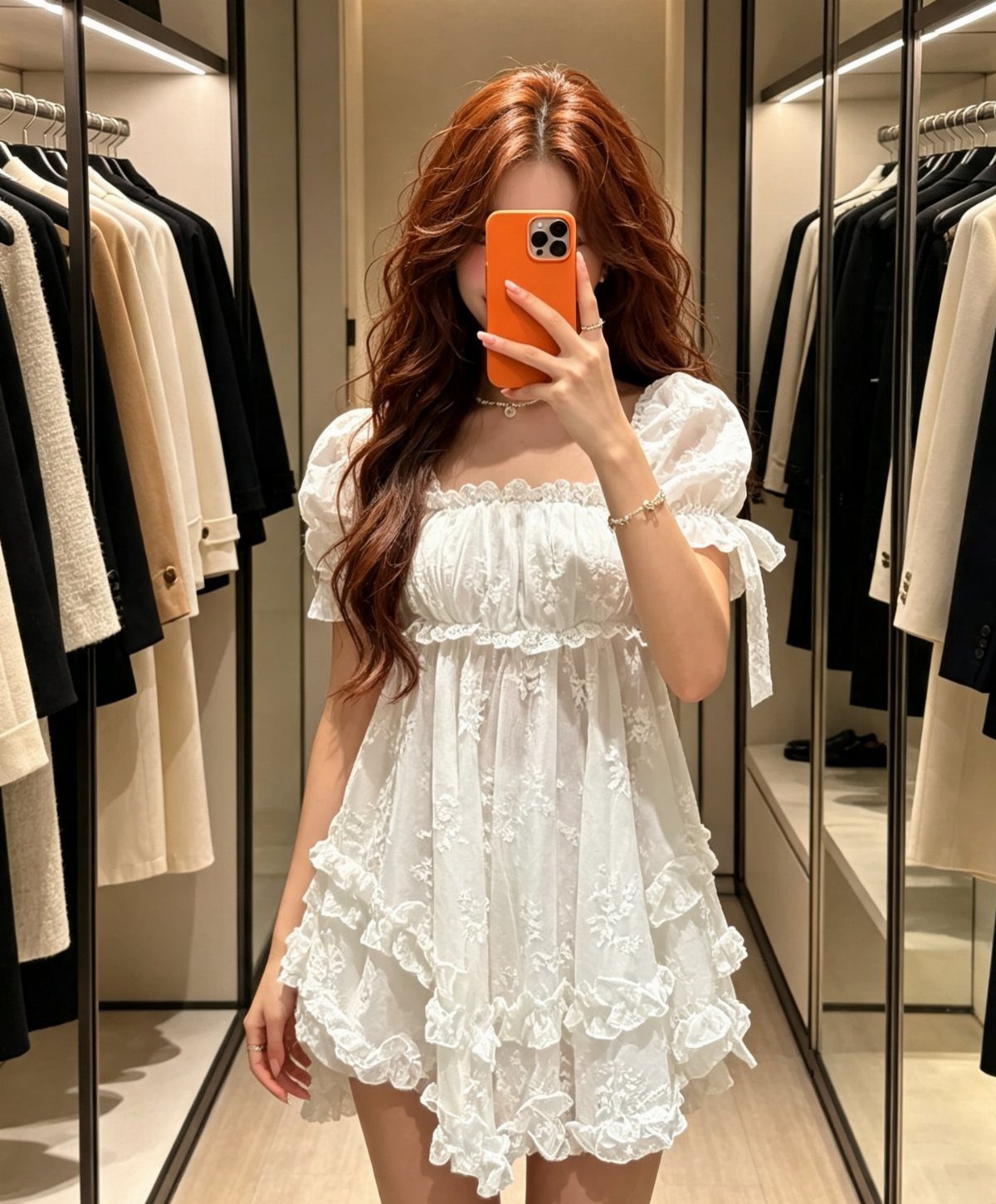
The seam sits right below the bust, and from there the fabric drops straight to the hem. That high seam gives the dress its relaxed, airy shape, and the short hem keeps it playful rather than formal.
Ruffles and puff sleeves add volume without structure, which suits the loose fit. Flat sandals or ankle boots balance the proportions better than heels.
12. Asymmetrical Dress
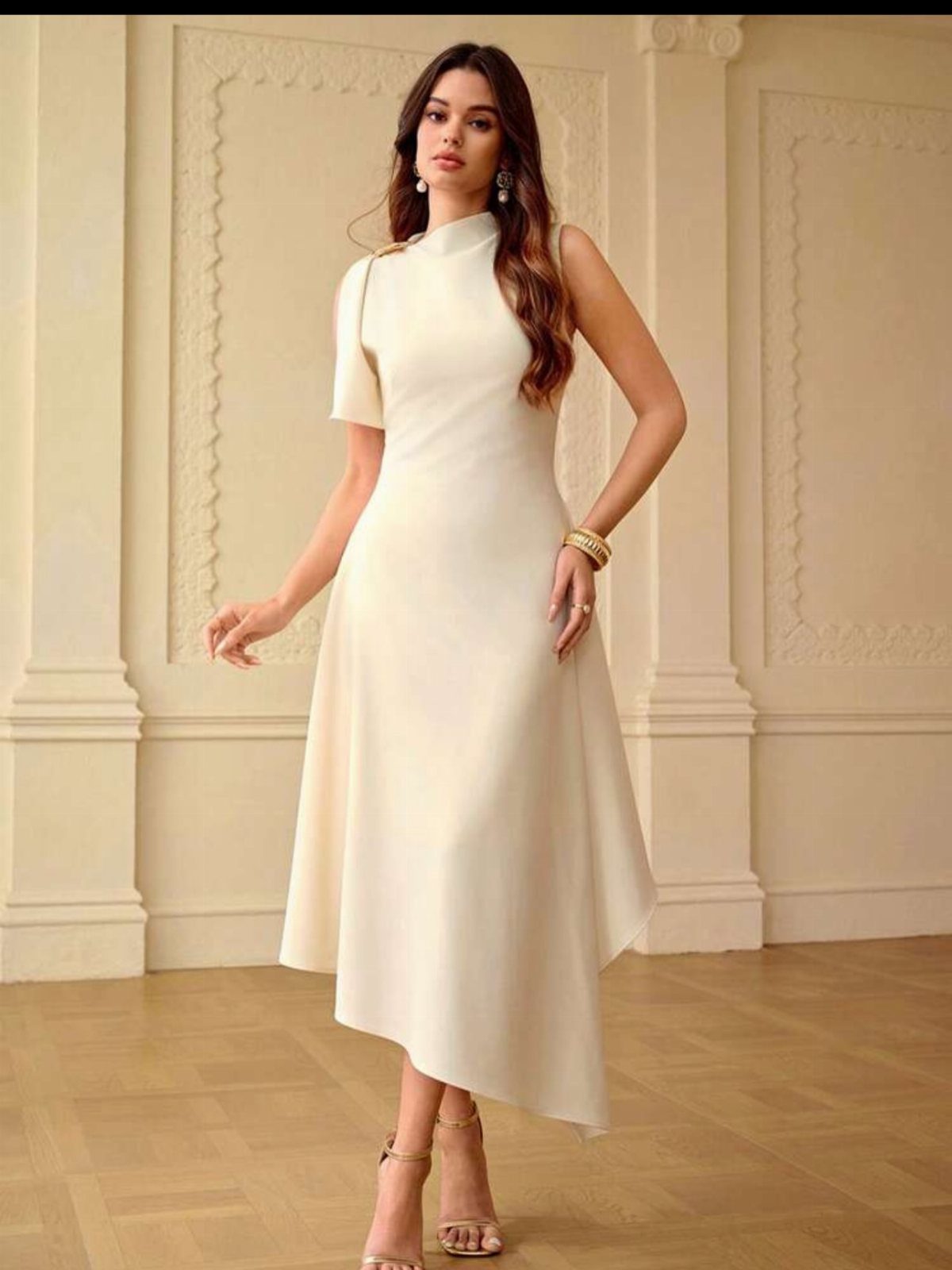
One side of the hem or neckline lands at a different height than the other, which breaks the expected line and pulls the eye in a way solid color and no trim can manage on their own.
The uneven edge gives the dress its name and its appeal.
A diagonal hem shows more leg on one side, which elongates the body. Minimal jewelry lets the cut do the work.
13. Kaftan Dress
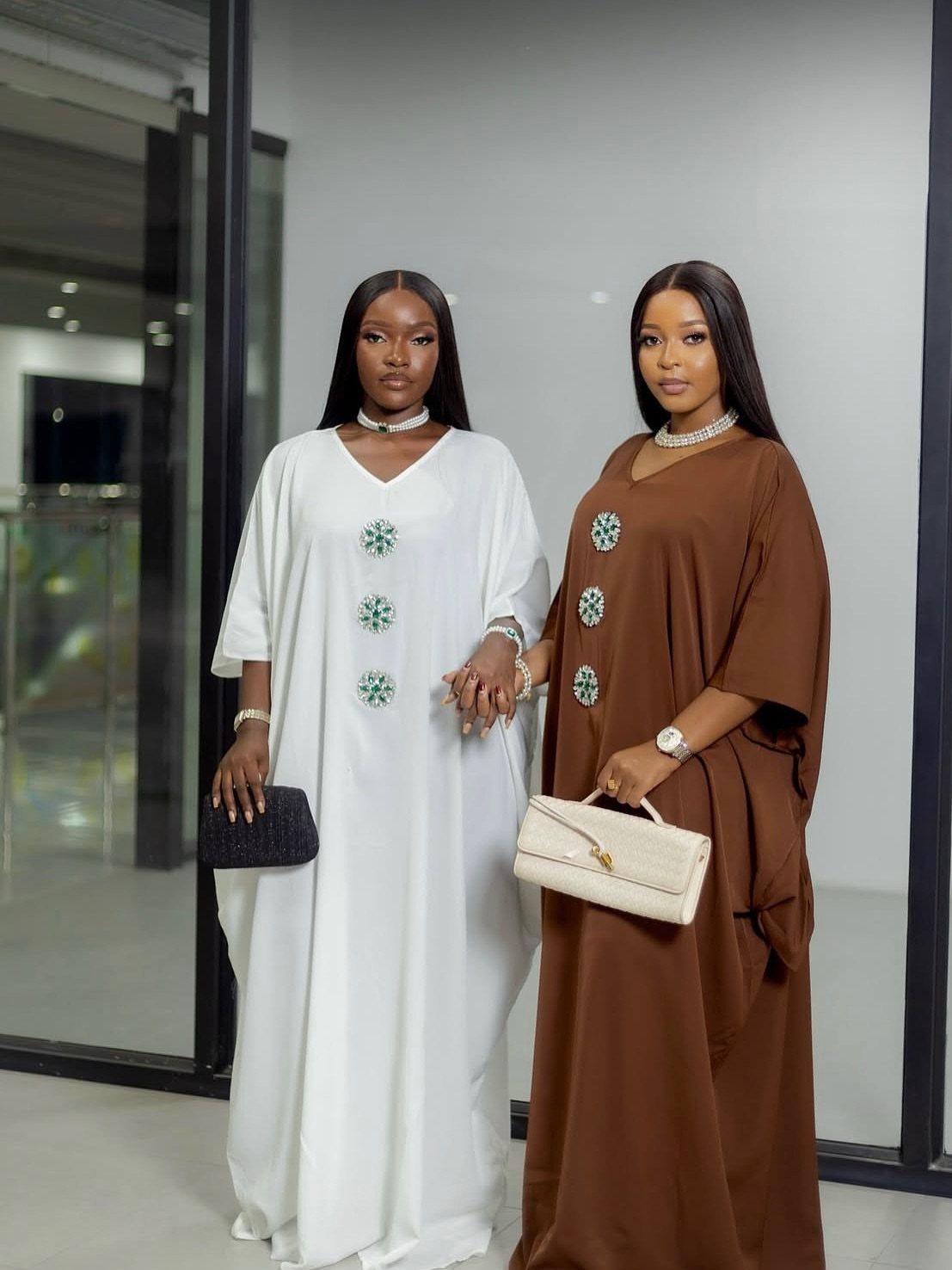
The fabric hangs loose from the shoulders without shaping at the waist, and the wide sleeves open the silhouette in a way fitted cuts never manage.
A kaftan dress feels easiest in warm weather, when heavy structure is the last thing you want against your skin.
Cotton and linen blends breathe well and hold their shape through repeated wear. Embellishment around the neckline or hem adds detail without tightening the fit, and flat sandals keep the proportions grounded.
14. Slip Dress
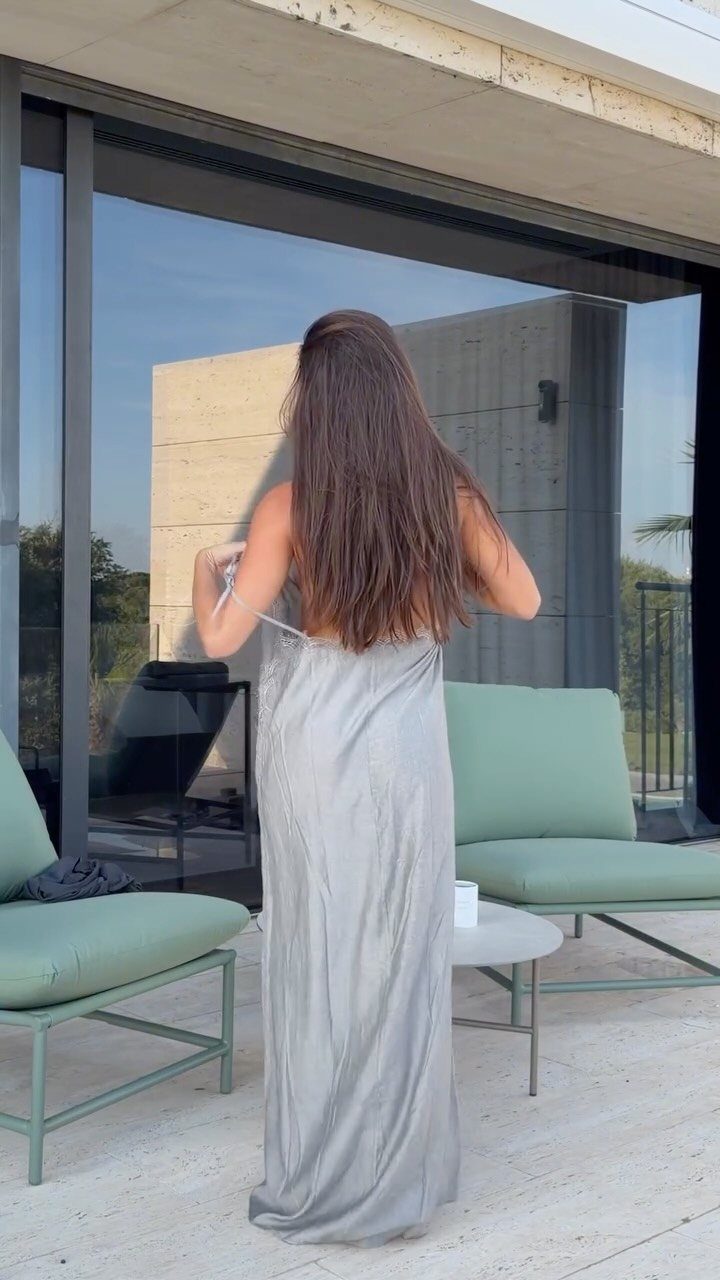
Thin straps and a straight drape give a slip dress the look of something borrowed from sleepwear, but the material makes it day-appropriate.
Satin catches light in a way cotton never will, and the bias cut lets the fabric move without clinging.
A midi or maxi length keeps the dress from reading too casual. Layer a fitted turtleneck underneath for cooler months, or wear it alone with strappy heels when the occasion calls for it.
15. Sweater Dress
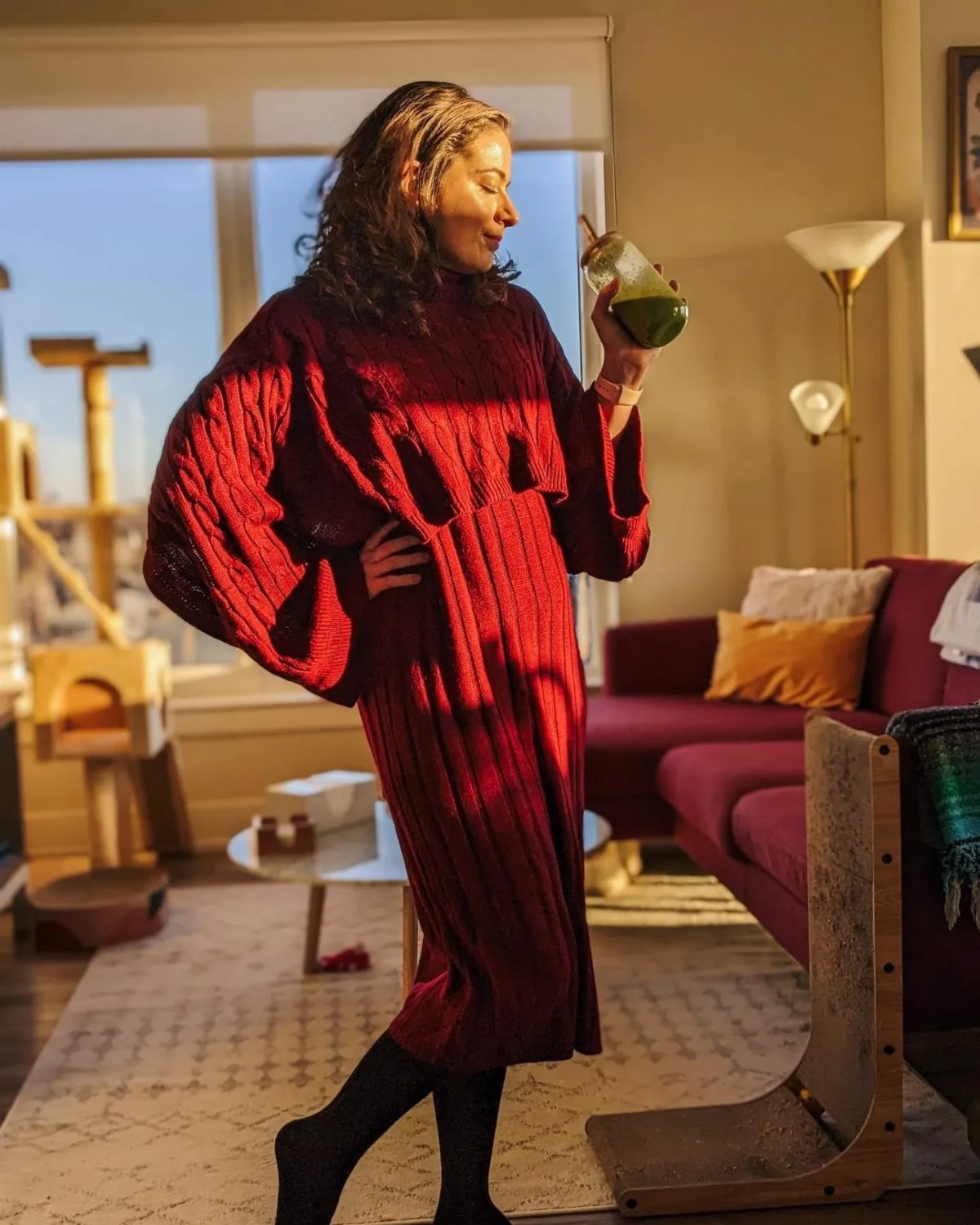
Knit construction gives a sweater dress its weight and warmth, which makes it the most practical option when temperatures drop but you still want one piece instead of separates.
The fabric stretches enough to move comfortably, and the length covers without restricting.
Chunky knits add texture, while fine-gauge versions sit closer to the body.
A belt at the waist adds shape if the dress reads too boxy, though plenty of versions work without one. Tights and boots finish the look.
16. Fit and Flare Dress
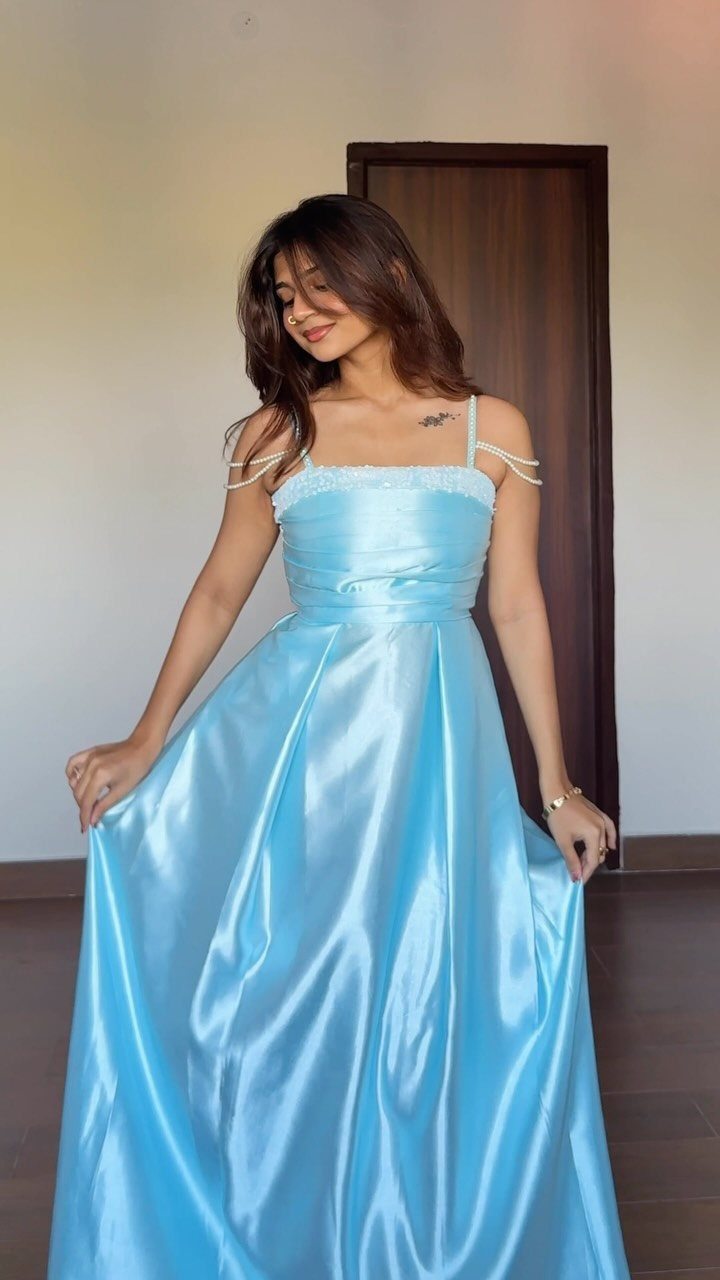
The bodice stays close to the ribs and waist, then the skirt releases into a wider shape that moves when you do.
That shift from fitted to flared gives the dress its name and its balance, and the silhouette flatters without requiring tailoring.
Satin and silk blends hold the structure evening events expect. A midi or floor-length hem keeps the proportions formal, and the flare gives you enough movement that pattern or extra volume becomes optional.
17. Pinafore Dress
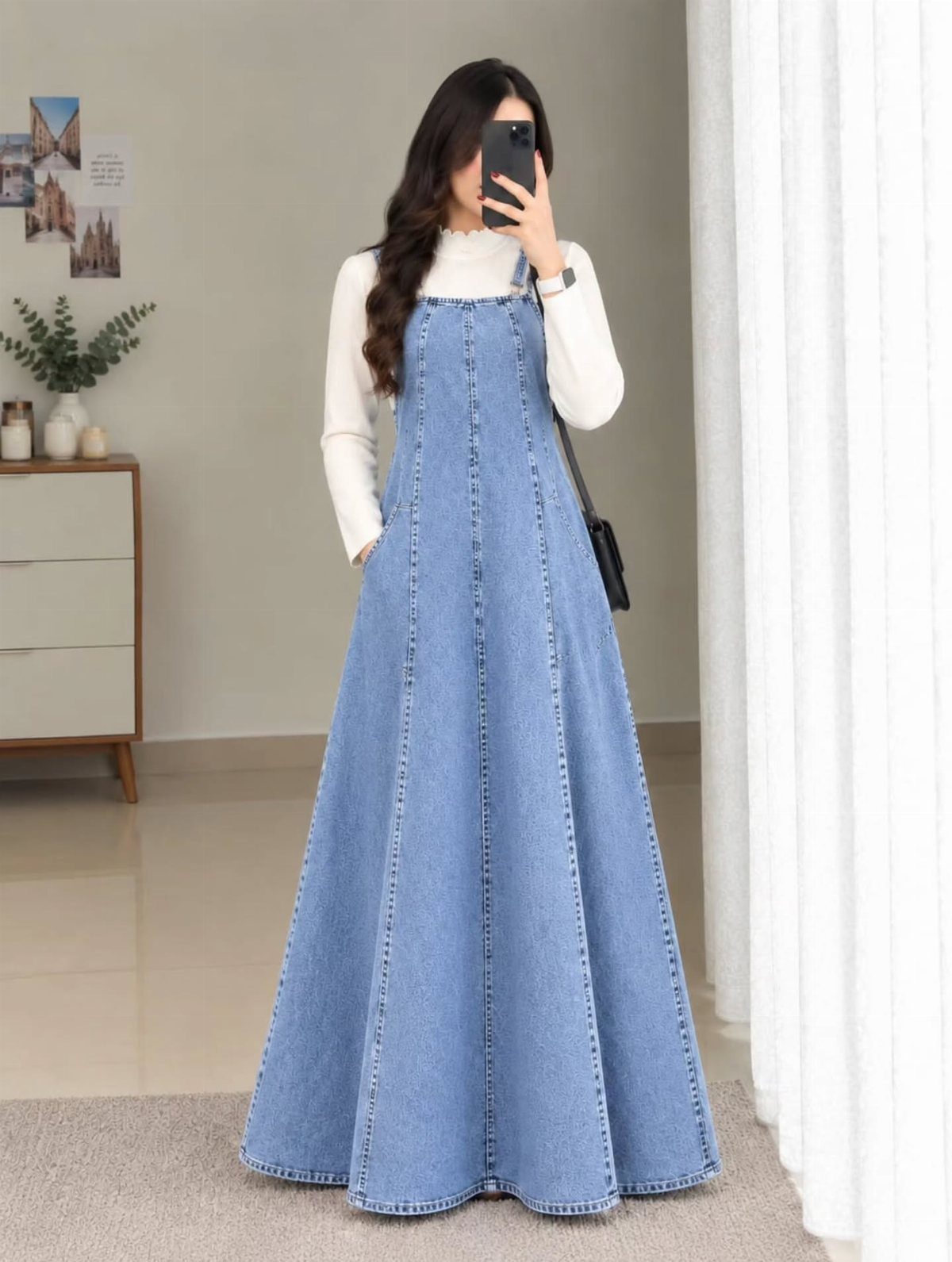
Straps cross over the shoulders and attach to a front panel, which leaves the sides open until you layer something underneath.
Denim is the most common fabric, and the weight gives the dress a casual, durable quality that works for everyday wear.
A white or striped shirt underneath fills the gaps and stops the straps from looking unfinished.
18. Sundress
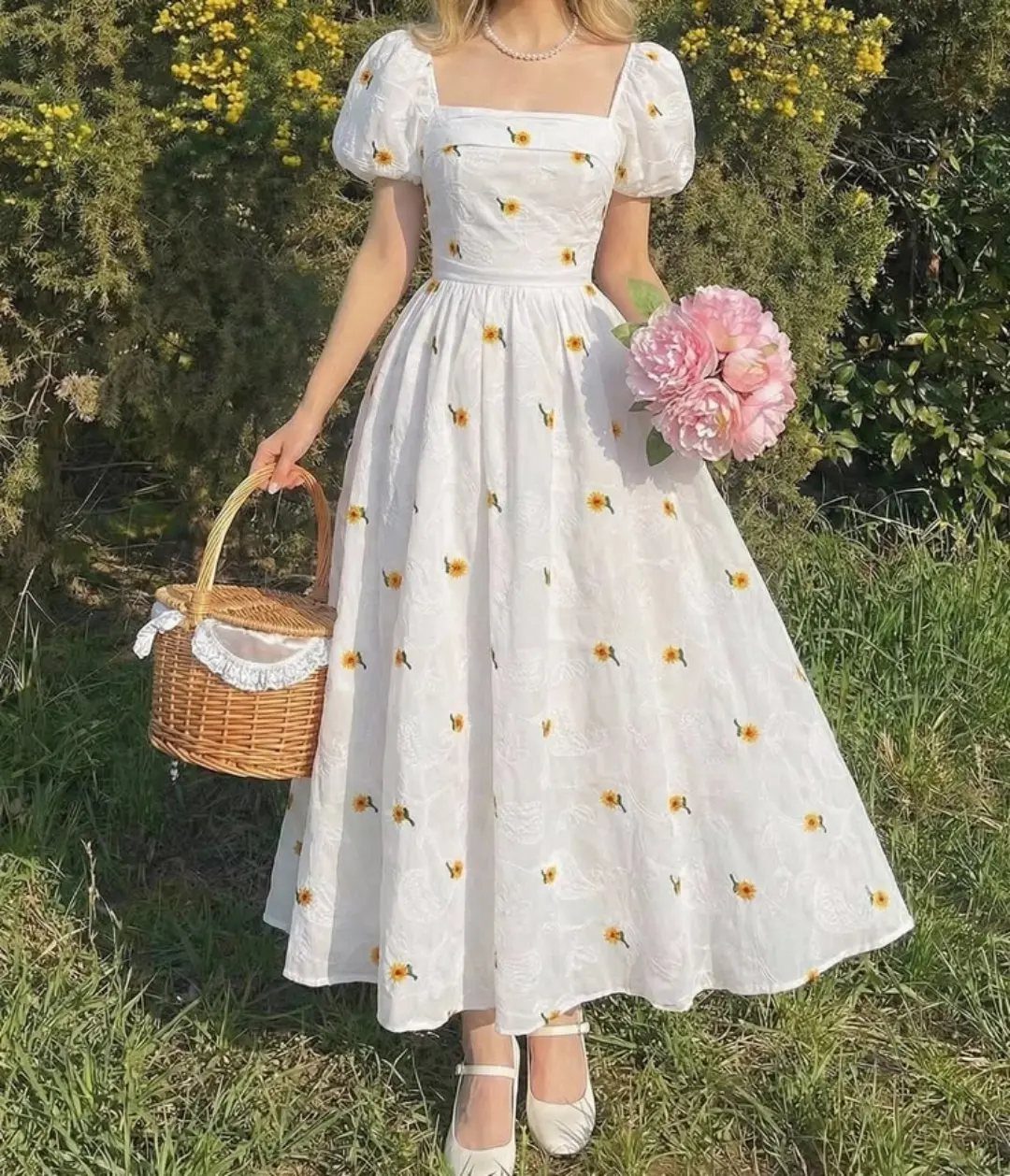
Lightweight cotton or linen makes a sundress the easiest thing to pull on when heat climbs and anything heavier feels like too much fabric.
The construction stays simple, often with thin straps or short sleeves, and the dress skims rather than clings.
Floral prints and bright colors suit the casual, warm-weather context the dress was made for. A midi length offers more coverage without adding weight, and flat sandals keep the outfit from reading too dressed up.
19. Cut-Out Dress
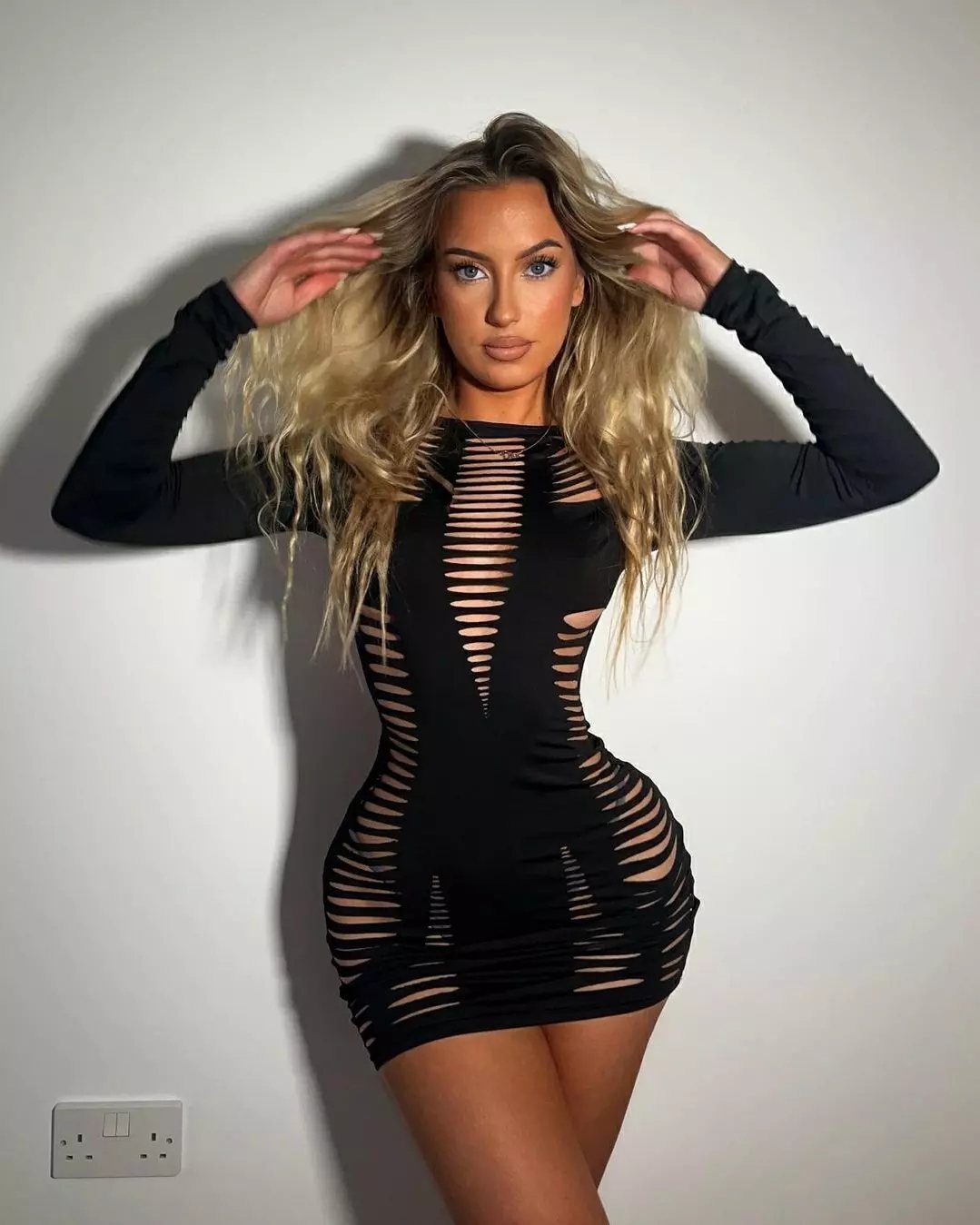
Fabric is removed at specific points rather than cut away at random, and each opening sits where it draws the eye without exposing too much.
A cut-out dress relies on placement: horizontal slits at the waist or ribs add edge, while openings at the back stay subtle until you turn around.
Black lets the silhouette do the work.
Long sleeves balance the skin the cut-outs reveal, and a mini length keeps the proportions sharp. Heels stretch the line further.
20. High-Low Dress
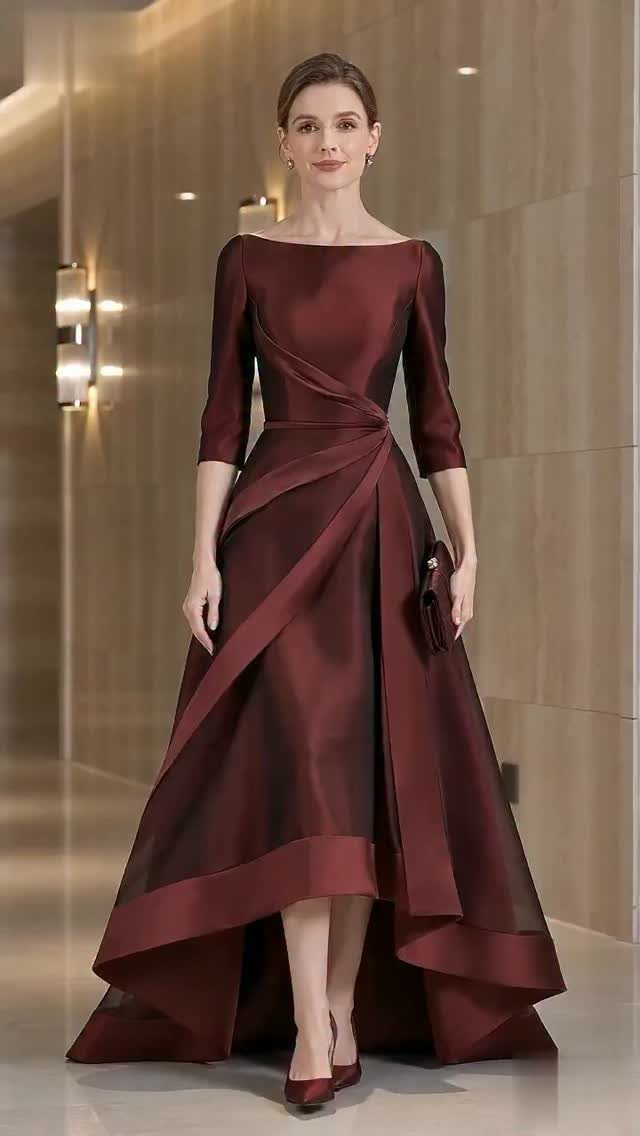
The front hem stops short while the back extends longer, which gives you coverage and movement at the same time. That uneven hem reads formal without requiring floor-length fabric everywhere, and the shorter front keeps you from tripping.
Satin holds structure and catches light in a way matte fabrics miss.
A deep jewel tone lifts the dress into evening territory, and heels fill the gap the shorter front creates. Skip a necklace since the asymmetry already holds attention.
21. Flapper Dress
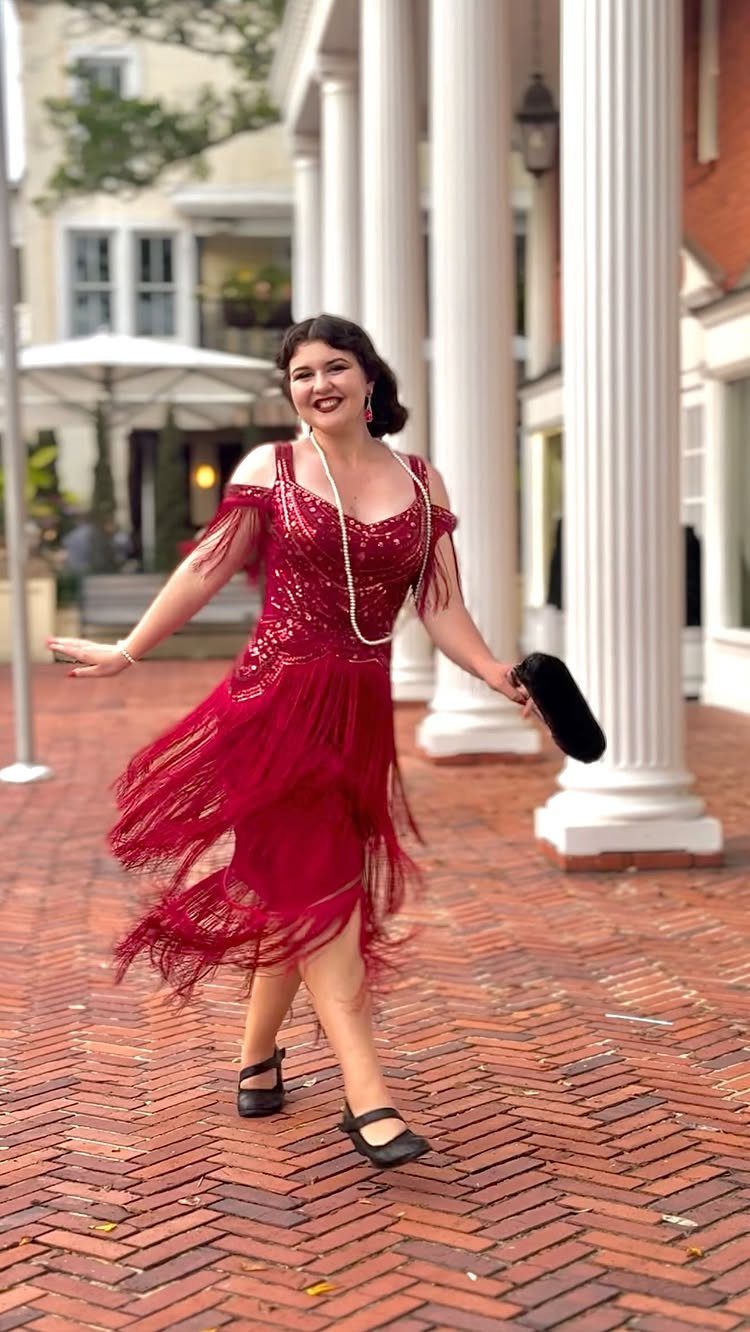
Sequins cover the surface, and fringe hangs from the shoulders and hem in short, swinging rows. A flapper dress recreates the silhouette of the 1920s, when hemlines rose and embellishment replaced structure.
The fringe moves when you do, which suits the dress’s original purpose: dancing.
Red or gold sequins catch more light than black, and the dress works best when you lean into the theatricality rather than toning it down. Add heels with ankle straps and a rope of beads that swings when you move.
22. Corset Dress
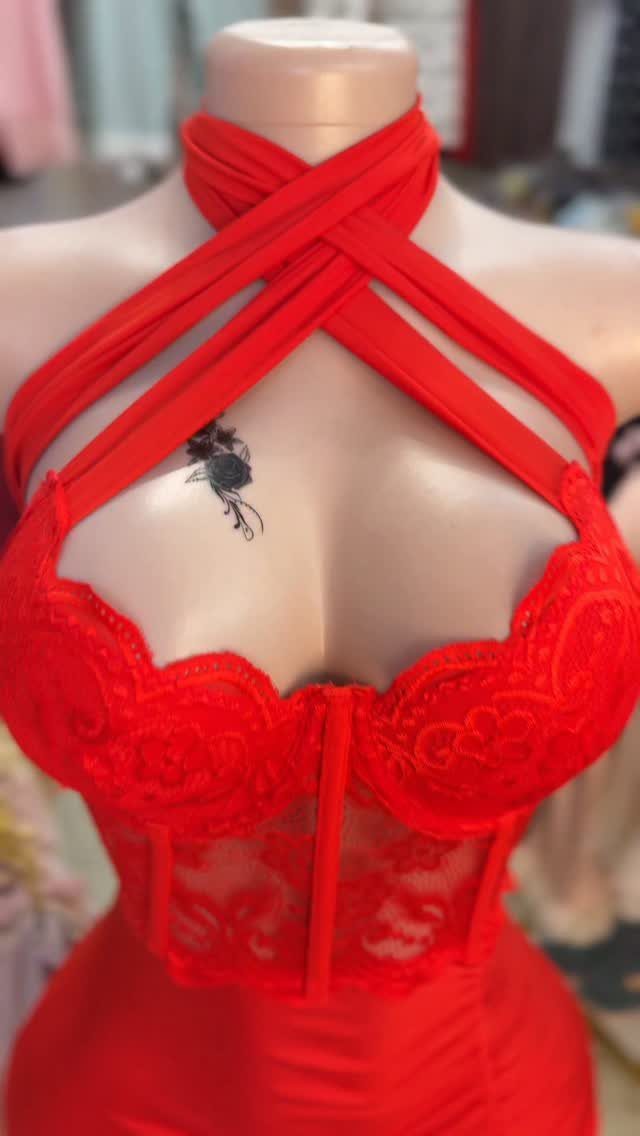
Boning runs through the bodice and pulls the waist in tighter than fabric alone could manage, which gives a corset dress its defining shape. Lacing or a structured panel at the center front adds detail and control.
Lace softens the formality the structure creates. A mini length keeps the dress from reading too costume, and the criss-cross straps add interest at the neckline without competing with the waist.
23. Pleated Midi Dress
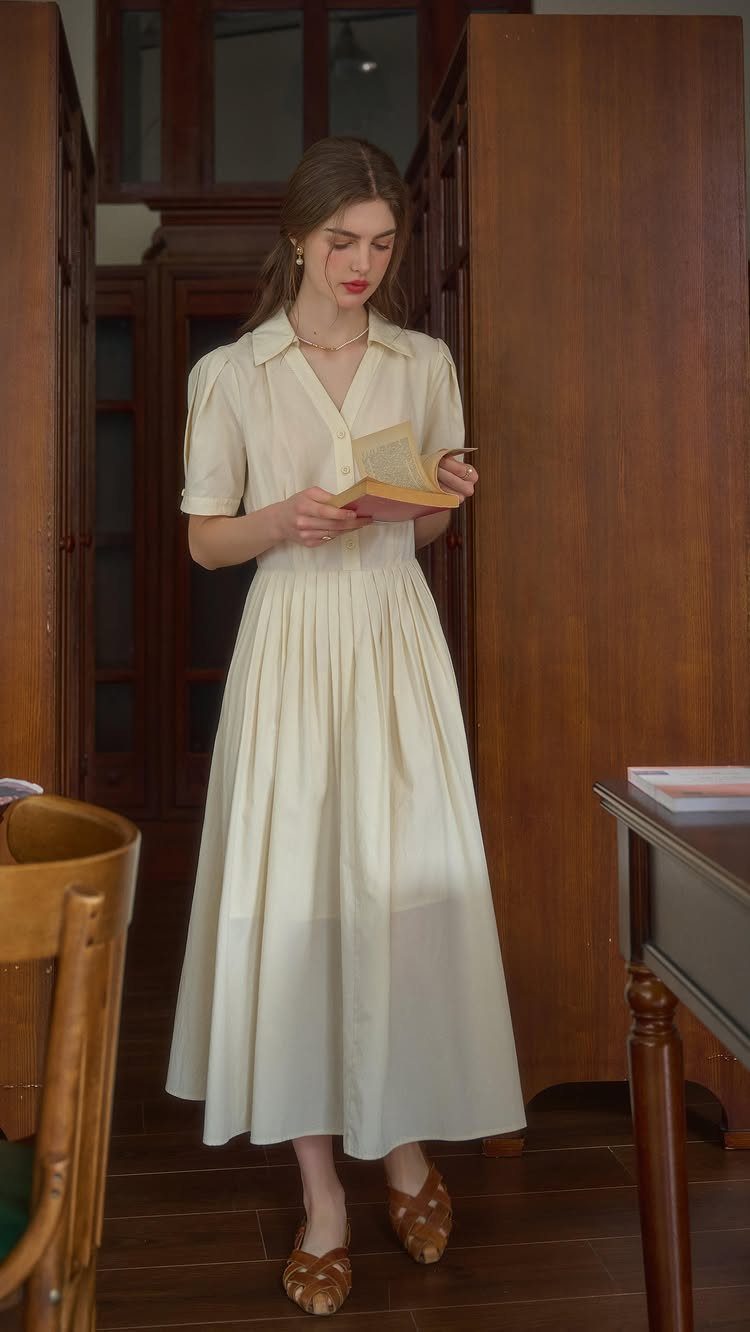
Pleats fold the skirt into crisp, vertical lines that hold their shape through wear, and the collar adds structure at the neckline. A pleated midi sits somewhere between casual and polished, which makes it work for both.
Cream or neutral tones keep the dress versatile, and short sleeves take it through warmer months.
The pleating adds movement without volume, and the midi length covers without dragging. Loafers or low heels suit the balanced formality the dress carries.
24. Halter Neck Dress
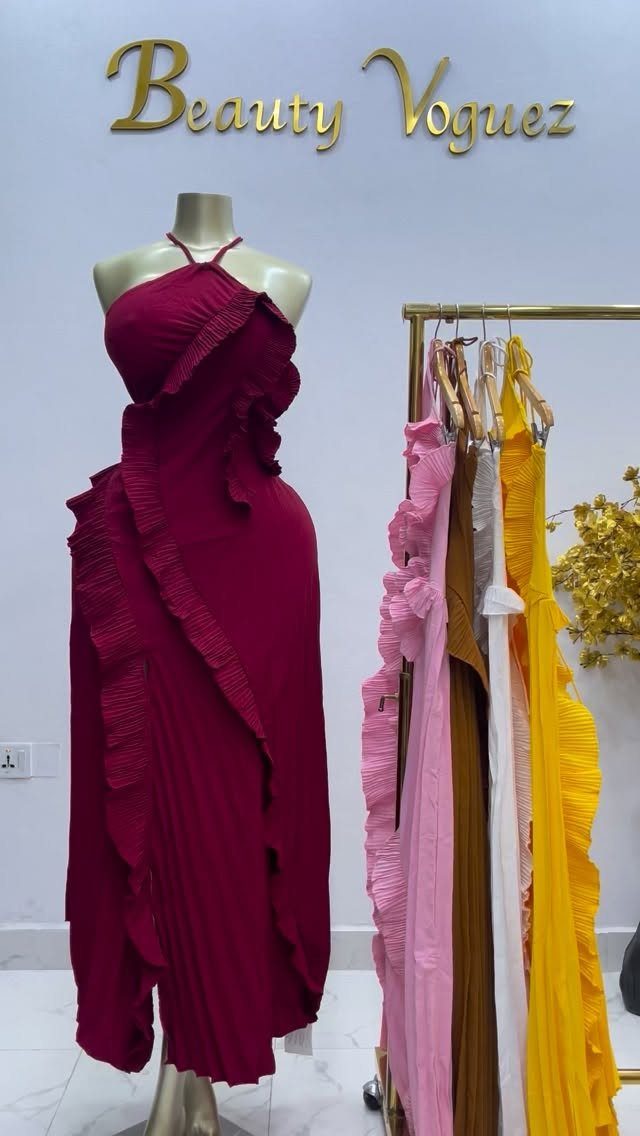
The straps tie or fasten at the back of the neck, which leaves the shoulders and upper back exposed. A halter neck shifts the dress’s weight upward, and ruffles add volume without structure.
Maroon or jewel tones give the dress more presence than pastels, and the halter works best when you skip a necklace and let the neckline stand alone.
25. Strapless Dress
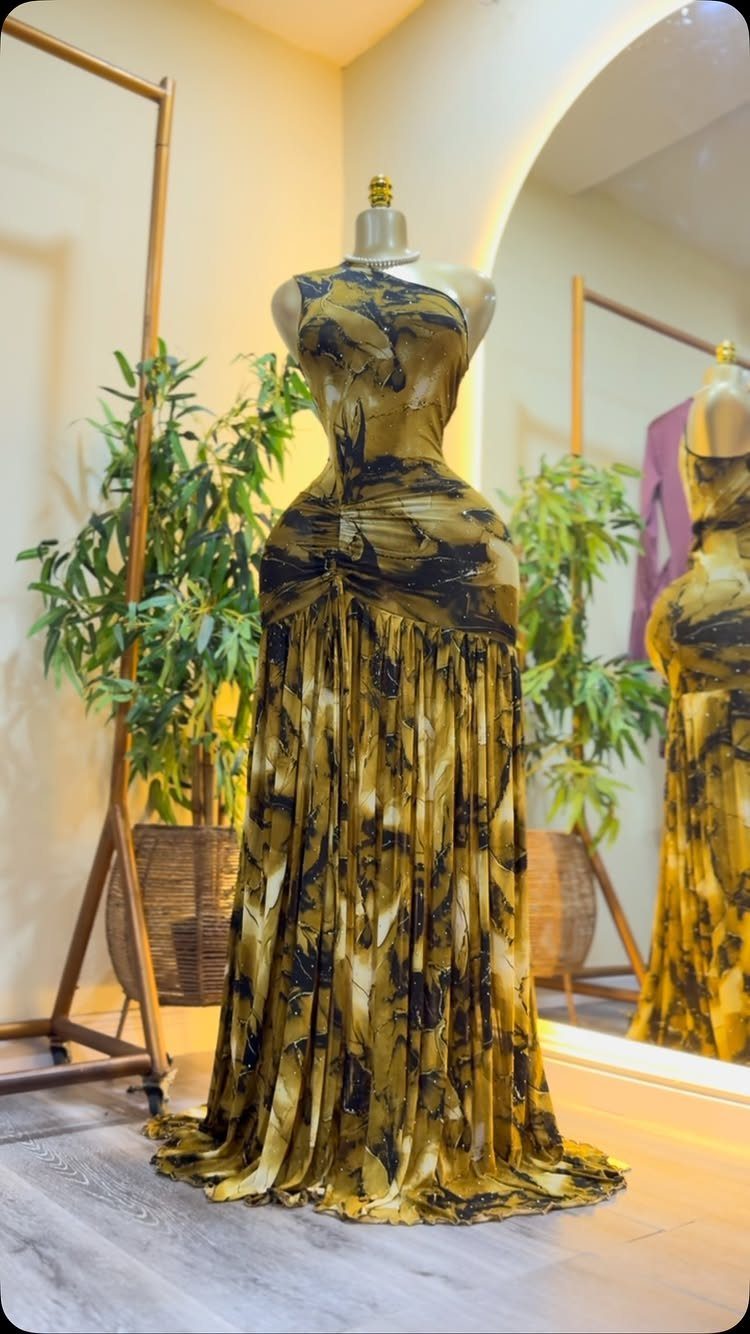
The neckline stops at the top of the bust, with no straps or sleeves to interrupt the shoulder line.
That bare upper half puts attention on the collarbone and arms, and the fitted bodice holds everything in place through boning or interior grip tape.
A full skirt balances the exposed top and gives the dress movement.
Bold prints or two-tone color blocking add interest without competing with the neckline. Heels lengthen the legs, and a structured clutch keeps accessories minimal since the silhouette already carries the formality.
Choosing Dresses for Body Types
A pear shape carries more width through the hips than the shoulders, so look for dresses that add volume or detail at the top.
Off-shoulder and halter necklines draw attention upward, and fit-and-flare silhouettes balance the proportions by opening at the waist.
An hourglass figure shows a defined waist with equal width at the bust and hips.
A straighter build benefits from dresses that create the appearance of a waist.
Peplum details, belted styles, and empire waistlines add definition. Shift dresses work when you want a clean line without cinching.
Ask yourself where you’ll wear it, whether the fabric suits the season, and if you can move comfortably. A dress that works in multiple contexts gives you more return than one that only fits a single event.
Accessorizing Dresses
Semi-formal styles leave more room for personality. If the dress already has texture or pattern, keep jewelry quiet with a pendant or studs, and let a structured bag in beige or black anchor the look.
Dressy flats or low heels balance the look without pushing it into evening territory.
Casual dresses need less. A thin chain or small hoops give you enough detail, and a crossbody or tote in a bold print handles the practical side.
Dressing for Occasions
Formal events expect floor-length gowns in silk, satin or chiffon.
The fabric choice matters as much as the cut, since synthetic blends read casual under low light. A cocktail dress or tailored jumpsuit works for semi-formal occasions when a gown feels like too much.
Semi-formal settings allow knee-length or midi dresses in richer colors and structured fabrics.
Dressy separates give you flexibility, but the outfit still needs polish. A jumpsuit in a jewel tone sits in the same category.
Denim works for laid-back plans, and breathable fabrics take priority when you’ll be outside or moving around. The key is looking intentional without adding formality the occasion doesn’t need.
Frequently Asked Questions
What are the different types of dresses?
Dresses divide by length (maxi, midi, mini), by silhouette (A-line, bodycon, fit and flare), by occasion (cocktail, evening, sundress), and by construction details (wrap, halter, off-shoulder).
Length and fit determine how formal a dress reads, while fabric choice affects whether it works for day or night. A sheath dress in cotton suits daytime meetings, while the same cut in satin moves into evening territory.
What is a cocktail dress?
A cocktail dress falls between casual daywear and floor-length evening formality, typically landing at knee to midi length in a dressier fabric than cotton.
The silhouette varies, but lace and structured materials signal the semi-formal occasion the dress was made for. Heels and minimal jewelry finish the look without competing with the dress itself.
What styles are best for formal events?
Gowns that fall to the floor carry the formality the dress code expects, particularly when the cut holds its shape. A-line shapes flatter most body types, and the length alone signals the formality the event expects.