

Renting a designer dress means paying a monthly subscription or per-item fee to wear high-end pieces for a set period, then returning them instead of buying.
The trade works when you need something expensive for one occasion, but the model shifts depending on whether you’re after a gala gown, maternity wear, or bridesmaid dresses that won’t sit idle after the wedding.
Subscriptions start around $20 to $98 per month, with single rentals available from $35 for a four-day window.
1. Nuuly for Maternity Dresses
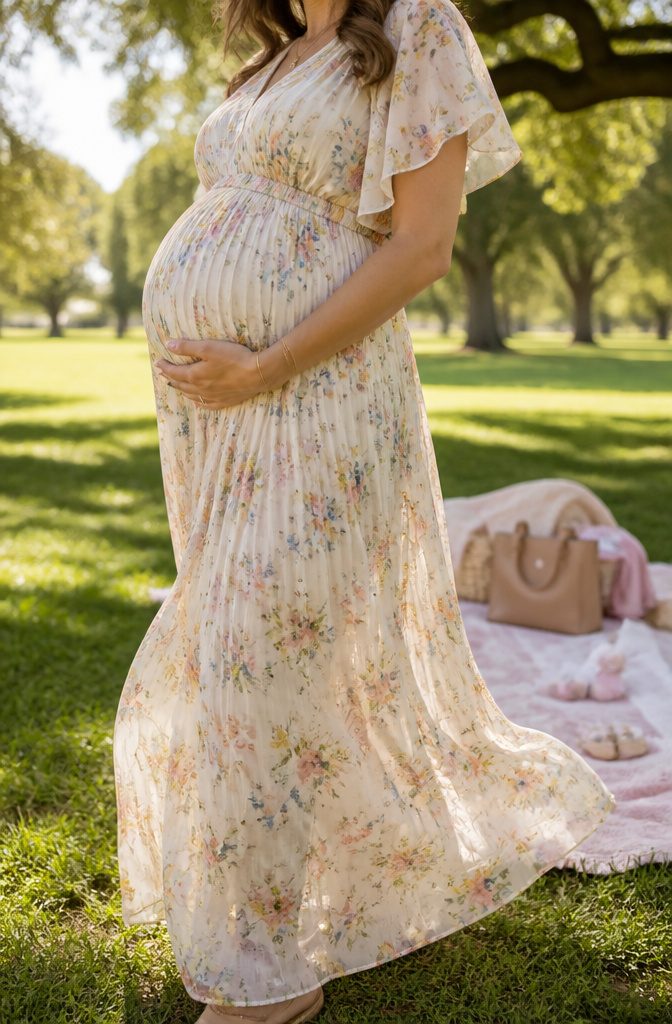
Nuuly runs on a subscription model starting at $98 a month, and that structure is exactly why it works for maternity dresses.
You rent six items each month, wear them through the weeks your body is changing fastest, then send them back and choose six more that fit the new shape.
No guessing what will work three months from now, no closet full of pieces you wore twice.
The sustainability angle matters here more than it does for most rentals.
Maternity clothes have the shortest useful life of anything in your wardrobe, and buying them new means paying full price for garments you’ll need for a few months at most.
Renting keeps those pieces in rotation instead of sitting idle after one pregnancy, and Nuuly includes repairs and laundry in the subscription.
You’re not maintaining them, and you’re not adding to the pile of single-use fashion that ends up in landfills once it no longer fits.
2. Rent the Runway for Special Occasion Dresses

Rent the Runway sits at the top of the special occasion rental market for good reason: it pairs hundreds of designer labels with subscription plans that start at $129 per month, making pieces you’d otherwise drop $800 or more on accessible for a wedding, gala, or any event where you need to look expensive without the commitment.
The platform carries names like Anna October, Ulla Johnson, and Tibi alongside the black-tie staples you expect, and the selection has grown well beyond evening wear into a range that works for different occasions.
Forget everything you thought you knew about Rent the Runway—the program has completely changed over the years. While it originally launched with a focus on evening wear, they now offer a diverse assortment of pieces.
— Vogue
That shift means the same membership that gets you a floor-length gown also covers cocktail dresses, work pieces, and contemporary styles, so you’re not locked into one aesthetic.
The three membership tiers give you five items at a time, with the difference coming down to how many shipments you get each month: one shipment for $129, two for $164, or four for $276.
Single-item rentals start at $35 for a four-day window if you’d rather skip the subscription altogether.
Rent the Runway also sends a backup size with each order and lets you browse uploaded photos from previous renters filtered by size, height, and body type, which takes some of the guesswork out of fit when you’re ordering a dress you’ve never tried on.
3. Armoire for Workwear Dresses

Armoire memberships start at $89 a month for four items, with higher tiers offering seven pieces at $129 or unlimited rentals at $249.
The service leans heavily into workwear, pulling from brands like Boden and French Connection to build boxes that work in an office without looking like you raided a corporate uniform catalog.
Professional stylists and an algorithm pick pieces based on a style quiz you fill out when you join, and unused cases roll over if you don’t swap every month.
Renting workwear makes sense when you need to show up looking polished five days a week but don’t want to buy the same silhouette in six colors.
Armoire includes blazers, skirts, and trousers alongside dresses, so you can rotate through combinations without the upfront cost of building that variety yourself. Shipping runs both ways at no extra charge, and you can pause or cancel anytime.
4. OpenClosit for Bridesmaid Dresses
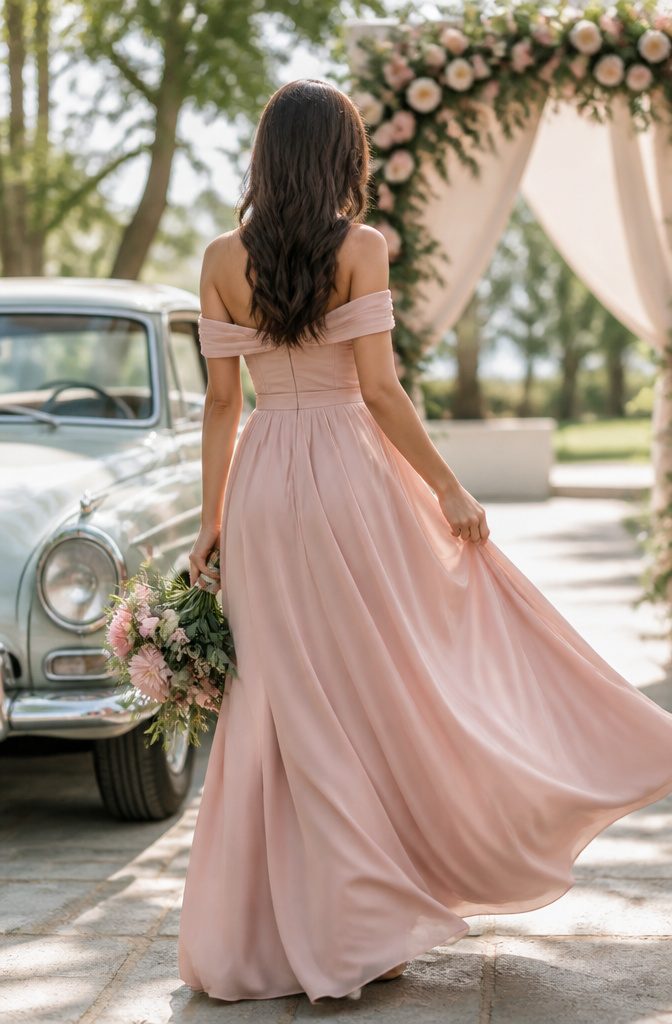
OpenClosit runs on a bridesmaid rental model that makes sense once you’ve watched a wedding party spend hundreds on dresses they’ll wear once.
The platform lets you rent designer bridesmaid dresses with variable fees based on what the lender sets, and if you’re a bridesmaid shopping for something wearable without the sticker shock, that pricing flexibility can work in your favor.
Sizes run XXS through XL, which covers most of the range without stretching into plus sizing.
The platform also lets you list your own pieces for rent if you want to recoup some of what you spent, earning 30 percent of the rental price each time someone books your dress.
Returns are straightforward, and if you’re near Santa Monica, OpenClosit offers in-person fitting appointments at their brick-and-mortar location.
5. Dia & Co. for Plus-Size Dresses
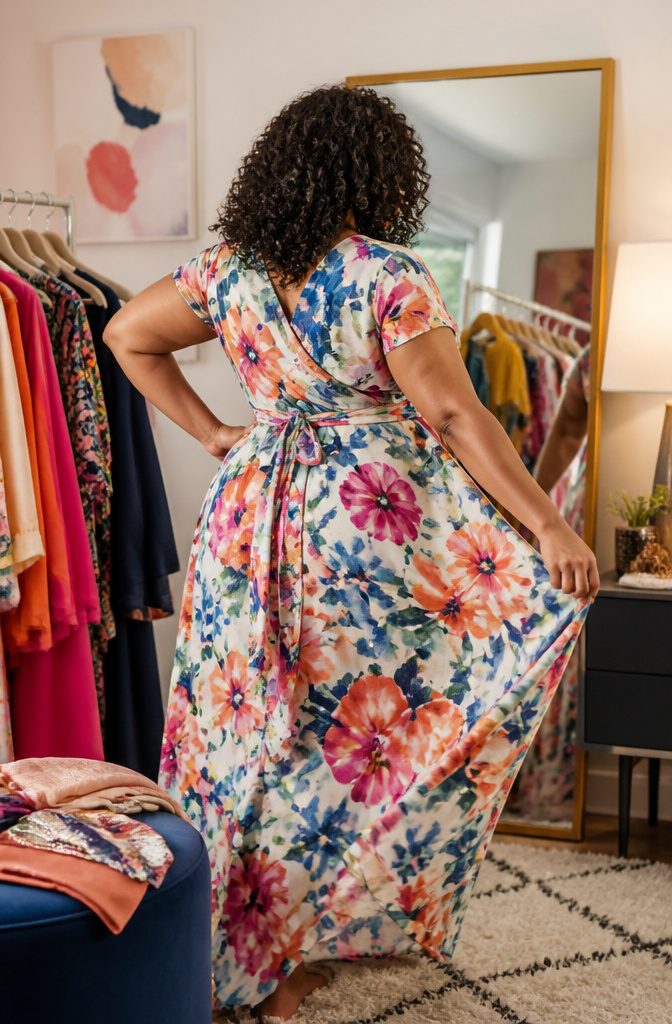
Dia & Co. runs on a style box model starting at $20 per month, plus the cost of whatever you keep.
You fill out a quiz covering body type, budget, and how your days actually run, then receive up to five items chosen for your lifestyle.
Try everything at home, keep what works, and send back the rest. The $20 styling fee gets credited toward your purchase, and keeping all five items earns you a full 25% off.
The service sizes up to 5X for tops and dresses, US 32 for bottoms.
Having a dedicated plus-size option matters because most rental platforms stop at 14 or 16, leaving anyone above that size to hunt through a handful of tokens rather than browse a real selection.
The styling adds value if you find shopping frustrating or if your closet has stalled out: someone else narrows the field based on what you said you need, and you decide at home whether it fits the occasion and your shape.
6. Tulerie for Contemporary Dresses
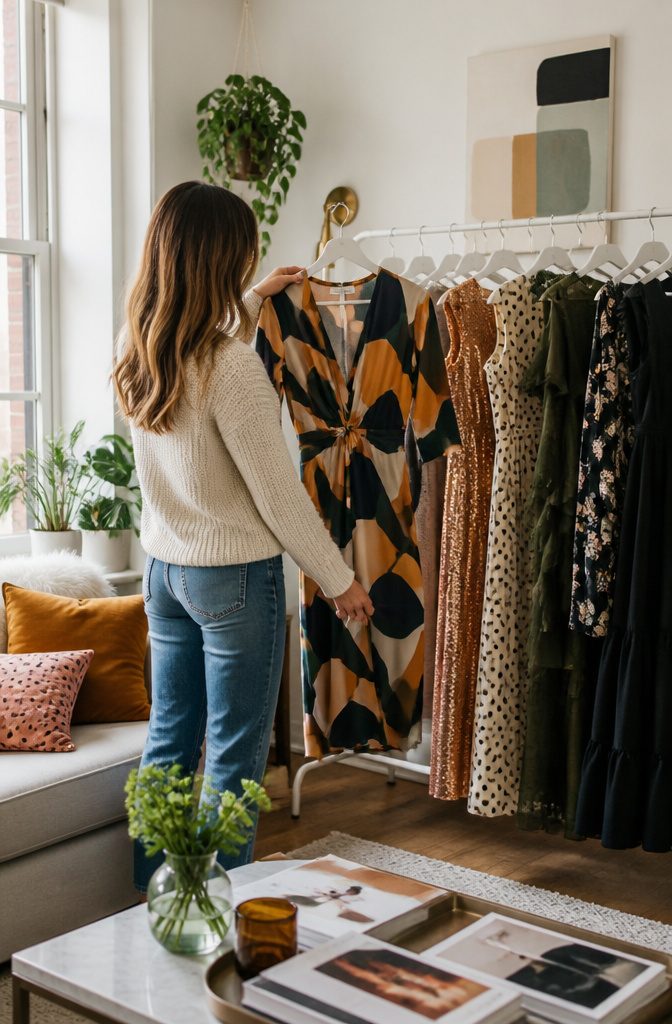
Tulerie runs on peer-to-peer closet sharing, which means you rent directly from other members rather than from a corporate inventory.
The platform treats you as both borrower and lender, so you can list pieces from your own closet while renting contemporary dresses someone else owns.
Rental fees vary because each lender sets the price for what they share, and the selection skews toward high-end items members already bought and now want to share rather than store.
The brand interviews every lender and borrower before they can use the platform, which slows onboarding but builds trust in a model where your rental arrives from someone’s actual closet.
Pricing follows no fixed tier, so a dress that would cost $80 through one member might be $50 or $120 through another depending on what they chose to list and what they think it’s worth.
That variability cuts both ways: you might land a bargain, or you might find the piece you want priced higher than a subscription service would charge for something comparable.
7. Stitch Fix for Sundresses

Stitch Fix charges a $20 styling fee per box, and that fee gets credited toward anything you keep.
This isn’t a rental service at all. You’re buying the pieces that work and sending back what doesn’t, which makes it a strange fit for someone who genuinely wants to rent.
But if you need a few casual sundresses and you’re open to owning them, the model starts to make sense.
A real stylist picks five items based on a style quiz you fill out upfront, and shipping both ways is free.
The $20 disappears the moment you decide to keep that flowy summer dress, so you’re only out the cost if nothing in the box works.
It’s less about short-term rental and more about low-commitment discovery, which suits sundresses better than formal gowns you’d wear once.
8. Rentier NYC for Short-Term Rentals
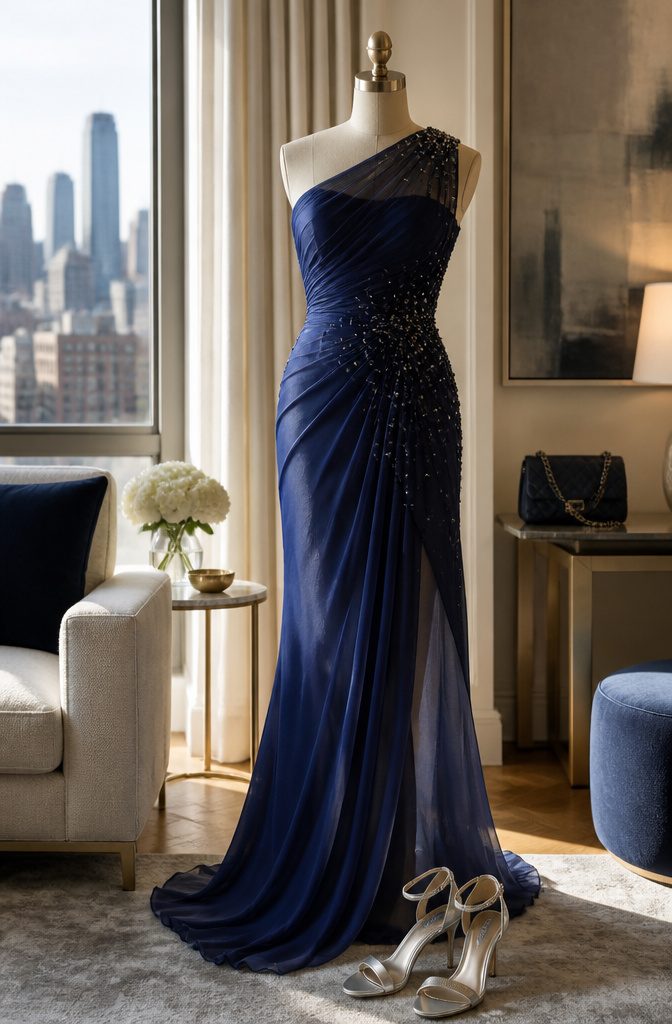
Rentier NYC runs 3–14 day rental periods, which gives you flexibility whether you need a dress for a single event or want to stretch it across a long weekend.
The catalog leans toward sought-after pieces, the kind that show up in wish lists but rarely justify a full purchase price for one wear.
If you’re in Manhattan, the try-on option is worth using.
You can see how a dress actually fits before committing, and the service includes free pick-ups and drop-offs within the borough. That alone saves the guesswork that sinks most online rentals.
Late fees and damage policies apply, so return windows matter here.
Rentier expects minor wear and tear, but anything beyond that triggers a charge. The refund policy is clear upfront: they don’t issue fit refunds, which makes that Manhattan try-on appointment even more useful if you can swing it.
Why Renting Reduces Fashion Waste
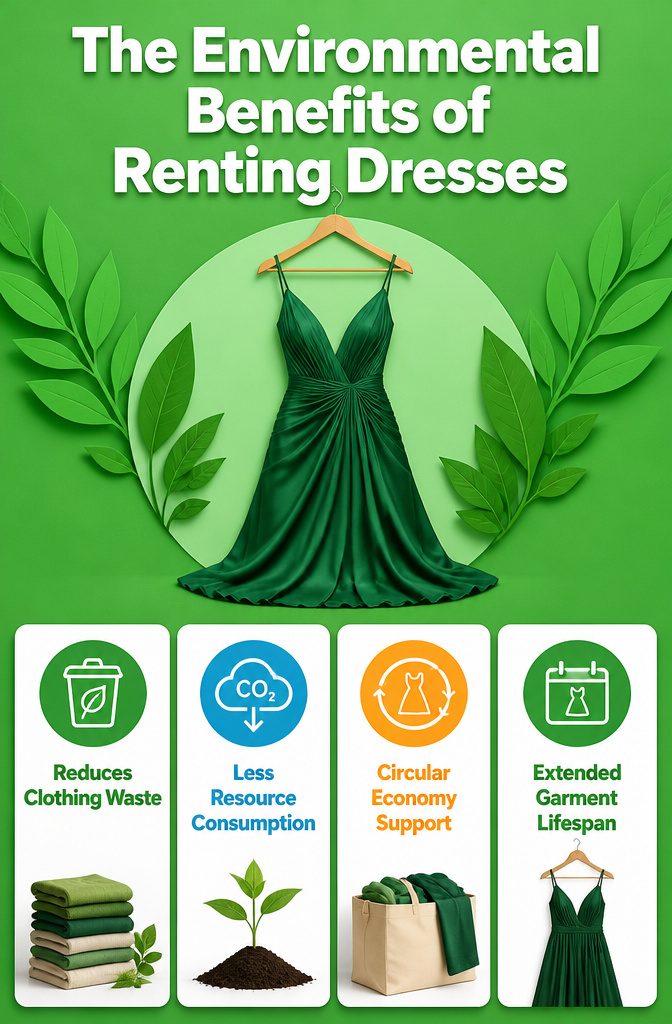
Why Renting Reduces Fashion Waste
The production impact of a single garment gets smaller every time someone else wears it.
Renting extends the lifespan of clothing that would otherwise sit in a closet after one event, and that extra use is what shifts the math. One dress rented ten times means nine fewer dresses manufactured to fill the same need.
Fast fashion thrives on the assumption that you’ll buy something new for every occasion.
Rental platforms flip that model by keeping high-quality pieces in rotation instead of pushing constant production. The approach supports a circular economy where garments move between wearers rather than ending up as waste after a single wear.
I find the environmental case for renting straightforward. You get access to designer pieces without the resource cost of manufacturing another dress, and the item you rent goes on to serve someone else next month.
The system works because special-occasion wear spends most of its life unused, which makes shared access a better fit than ownership for reducing overall demand.
What Rental Services Cost Compared to Buying
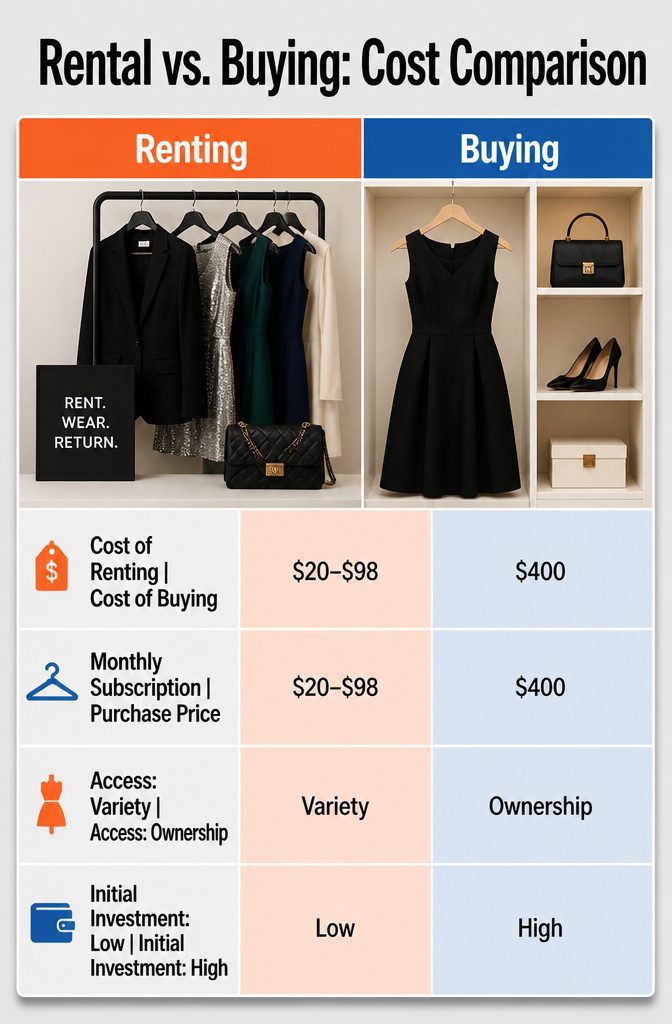
Renting wins when you need a designer dress for one night and the idea of spending $500 on something you’ll wear once feels absurd.
Most rental subscriptions run $20–$98 per month, putting labels that retail for hundreds or thousands within reach for the cost of a couple of takeout dinners.
A single purchase eats what could have been five months of rotating pieces, and if the event calendar is sparse, renting pays off cleanly.
Buying starts to make sense when you find a silhouette you reach for repeatedly or when the dress costs less than three rentals of comparable quality.
I look at the per-wear math: a $400 dress worn six times over two years runs $67 each time, competitive with a rental service if you can justify keeping it in rotation. The trade-off sits between variety and ownership.
Subscriptions give you access to sharp blazers, sleek midi dresses, and covetable bags without the closet creep, but you send them back. A purchase is yours to alter, rewear without a return deadline, and style however your wardrobe shifts.
How to Find Styles for Your Body Type
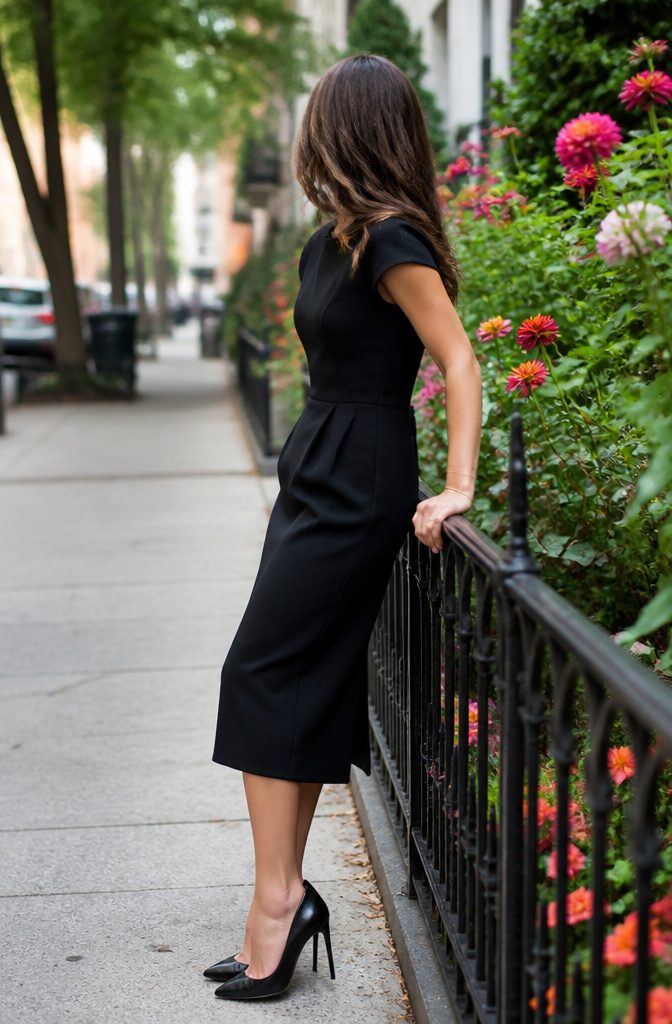
Rental services stock a wider range of sizes and cuts than most women expect, and that breadth makes it easier to try silhouettes you might skip in a store.
Plus-size options run through most major platforms, with Dia & Co. building its entire catalog around extended sizing and Rent the Runway carrying designers who cut past size 22.
Maternity styles show up at Nuuly, where the inventory includes empire waists and wrap dresses that accommodate a growing bump without looking like medical wear.
Petite shoppers find hemlines and proportions that work without alterations on Armoire and Stitch Fix, both of which filter by inseam and torso length.
I lean toward rental when I want to test a neckline or fabric I haven’t worn before, because the cost of getting it wrong drops to nearly nothing.
A bodycon midi might look perfect on the hanger and uncomfortable ten minutes into a wedding, but renting it once tells you whether to buy it later.
Frequently Asked Questions
What is the best website to rent dresses?
Nuuly, Rent the Runway, and Armoire lead the rental market. Nuuly works best for maternity with subscriptions at $98 per month, Rent the Runway covers special occasions starting at $129 monthly, and Armoire specializes in workwear at $89 for 4 items.
How much does it cost to rent a dress?
Monthly subscriptions range from $20 to $129 depending on the service and how many pieces you get.
Single rentals start at $35 for a 4-day window if you skip the subscription. Peer-to-peer platforms like Tulerie vary by lender, while short-term services like Rentier NYC charge based on rental length.
Can I try on rental dresses before renting?
Rentier NYC offers in-person try-on appointments at their Santa Monica location, with free pick-ups and drop-offs in Manhattan.
Most other services ship directly without a try-before-you-rent option, though Rent the Runway sends a backup size with each order to reduce fit issues.