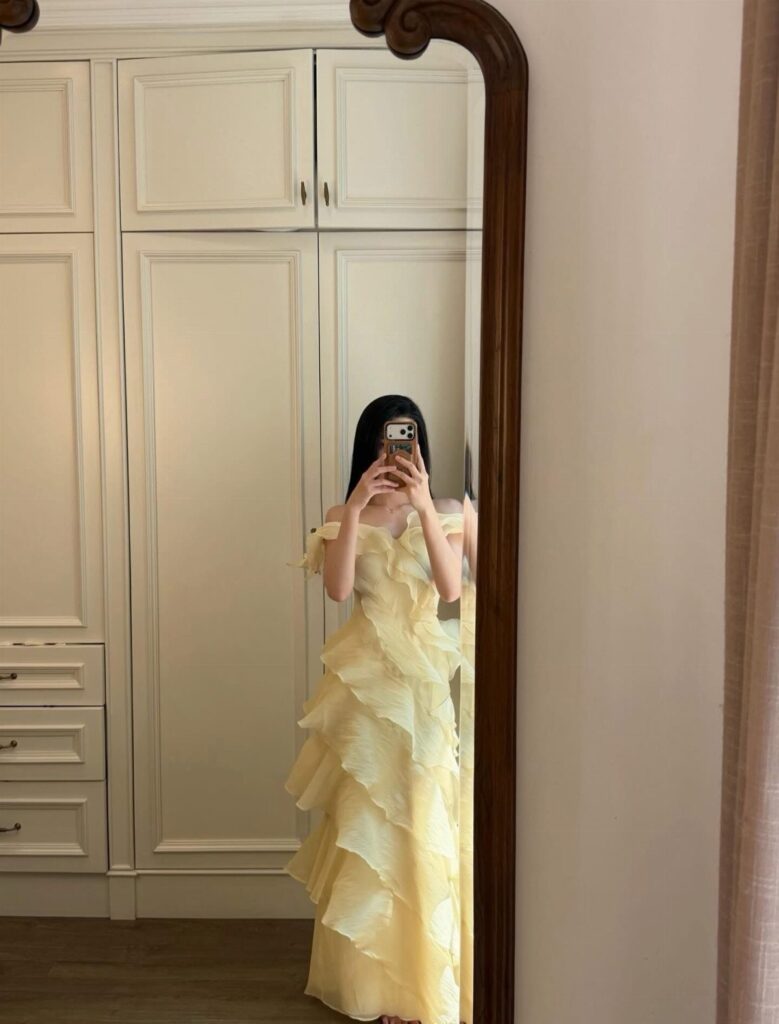
Spring wedding guest dresses range from pastel midis to tiered fringe that moves with you, and the right one depends on how formal the venue is and whether you’ll actually dance.
Floor-length gowns signal formality but need lighter fabrics for daytime celebrations, and outdoor venues mean your shoes matter as much as the dress since grass isn’t kind to heels you can’t walk in.
1. Pastel Dress
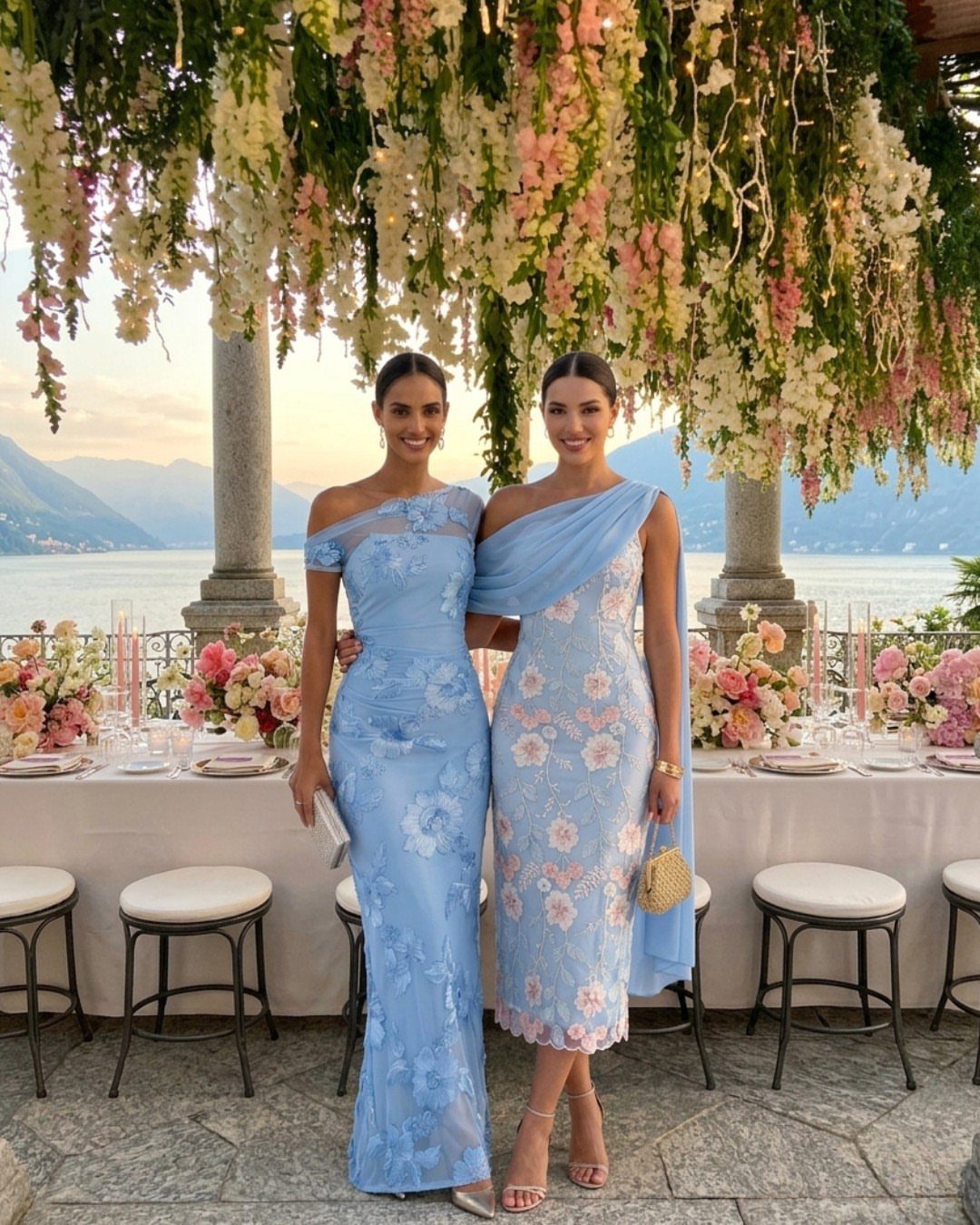
Pastel shades feel right at home in spring, and a soft blue like this works for nearly any dress code short of black tie.
The look reads romantic without pushing too sweet, and the color flatters a wide range of complexions without washing you out.
Pastels photograph beautifully in natural light, which matters at outdoor ceremonies. Pair with neutral or metallic accessories and keep the jewelry simple so the dress does the work.
2. Satin Slip Dresses
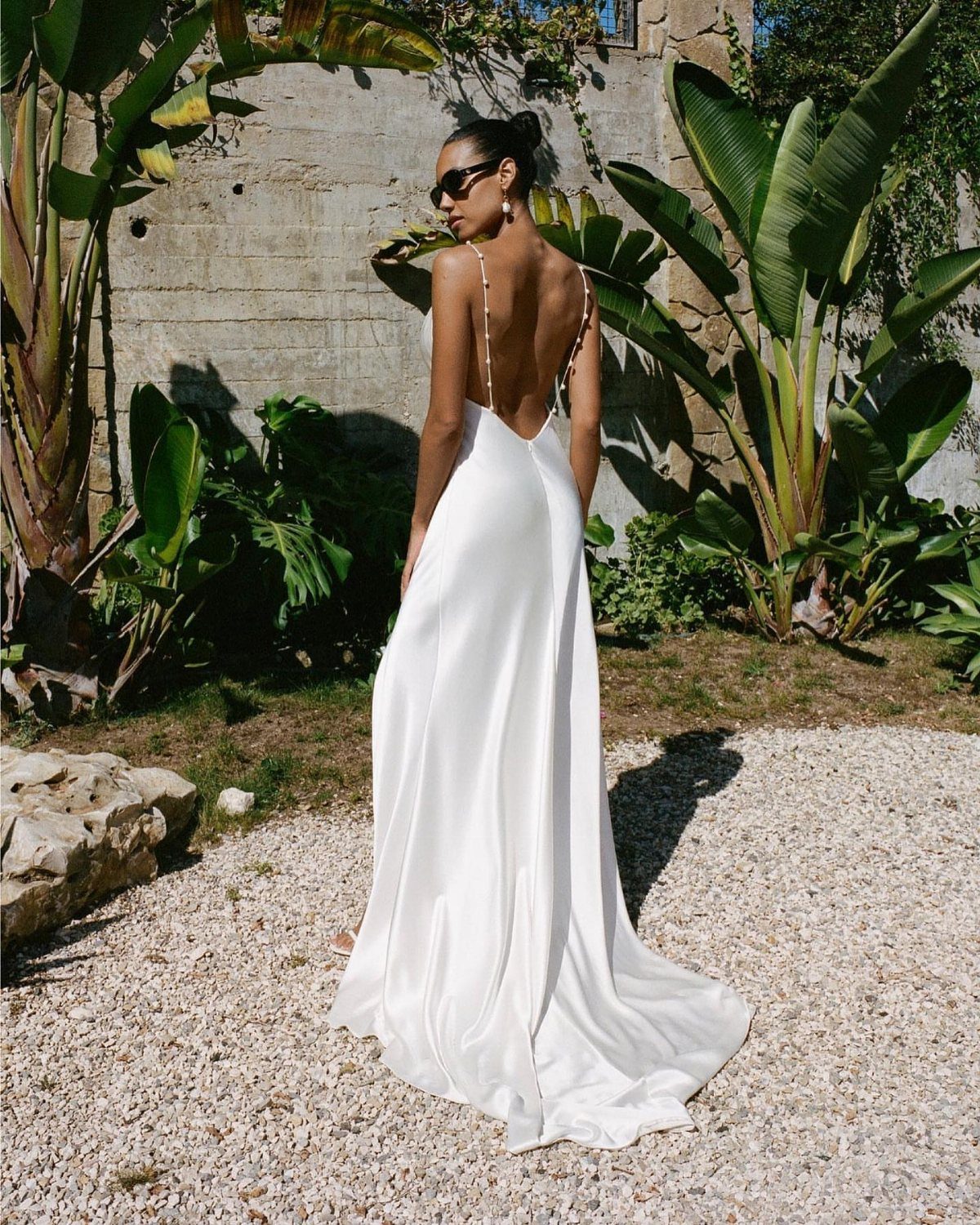
A satin slip dress in a longer length gives you the formality of a gown without the structure. The fabric drapes close to the body, so fit matters more than it does with something gathered or A-line.
This works best for spring weddings after sunset or indoors, where the sheen reads elegant rather than costume. Add a cropped jacket or wrap if the venue runs cold, and choose undergarments carefully since satin shows every line.
3. Floor-length Gown
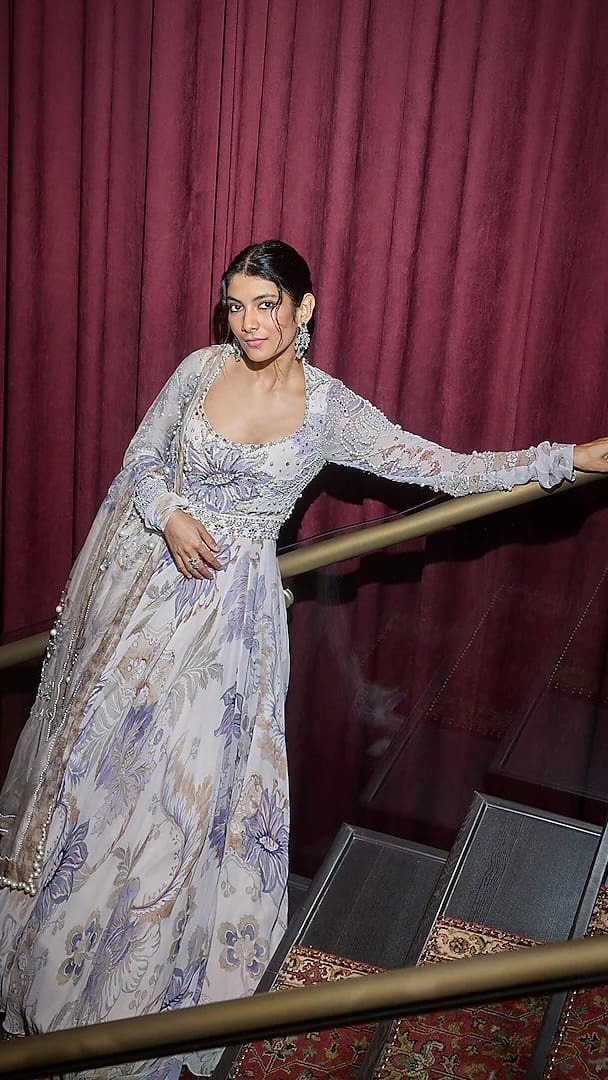
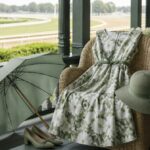
A floor-length gown signals formality, and spring lets you choose lighter fabrics and prints that would feel out of place in fall or winter. The coverage makes it a safe choice for religious ceremonies or conservative family events.
Floral prints keep the look from reading too heavy for a daytime celebration. Bring a matching wrap or shawl if the ceremony is outdoors and the forecast is uncertain.
4. Floral Dresses
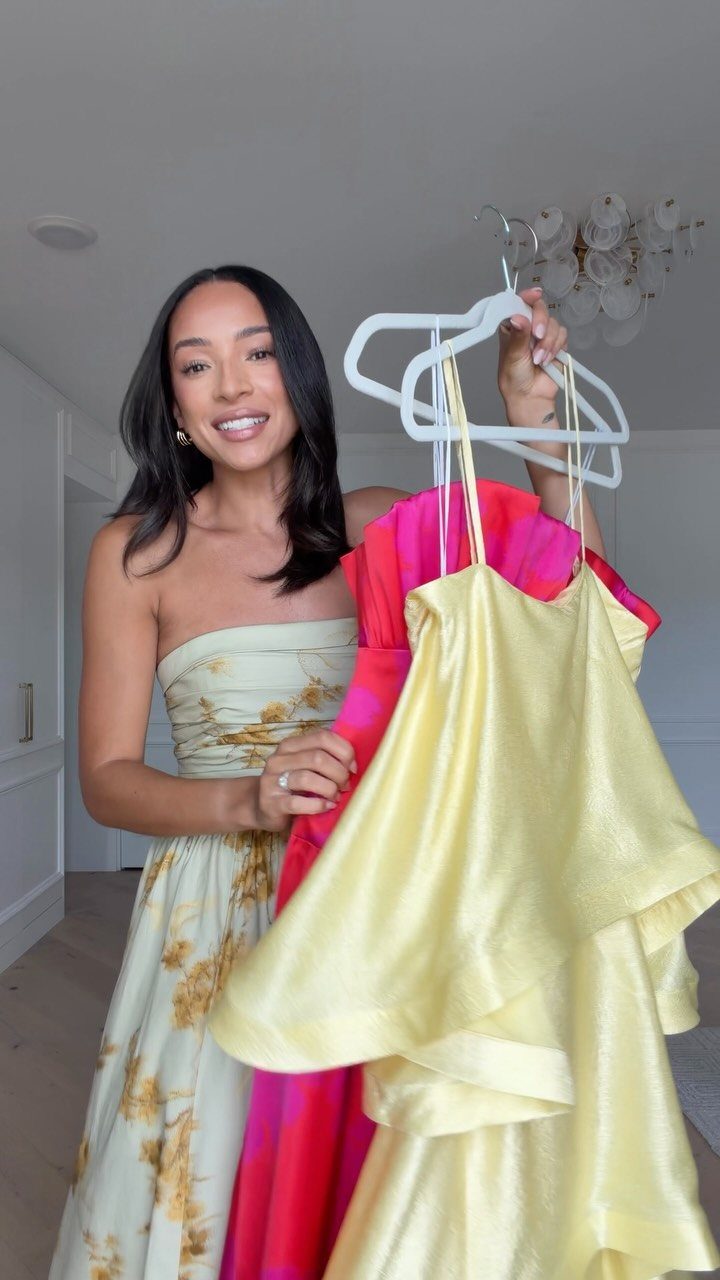
Floral prints belong to spring the way plaid belongs to fall, and a strapless silhouette stops it from feeling too garden party.
The dress moves beautifully and photographs well in outdoor light, which is half the point of a spring wedding.
Choose a print scale that suits your frame: smaller florals read delicate, larger ones make more of a statement. Strapless requires good tailoring or you’ll spend the day adjusting.
5. Structured Dresses
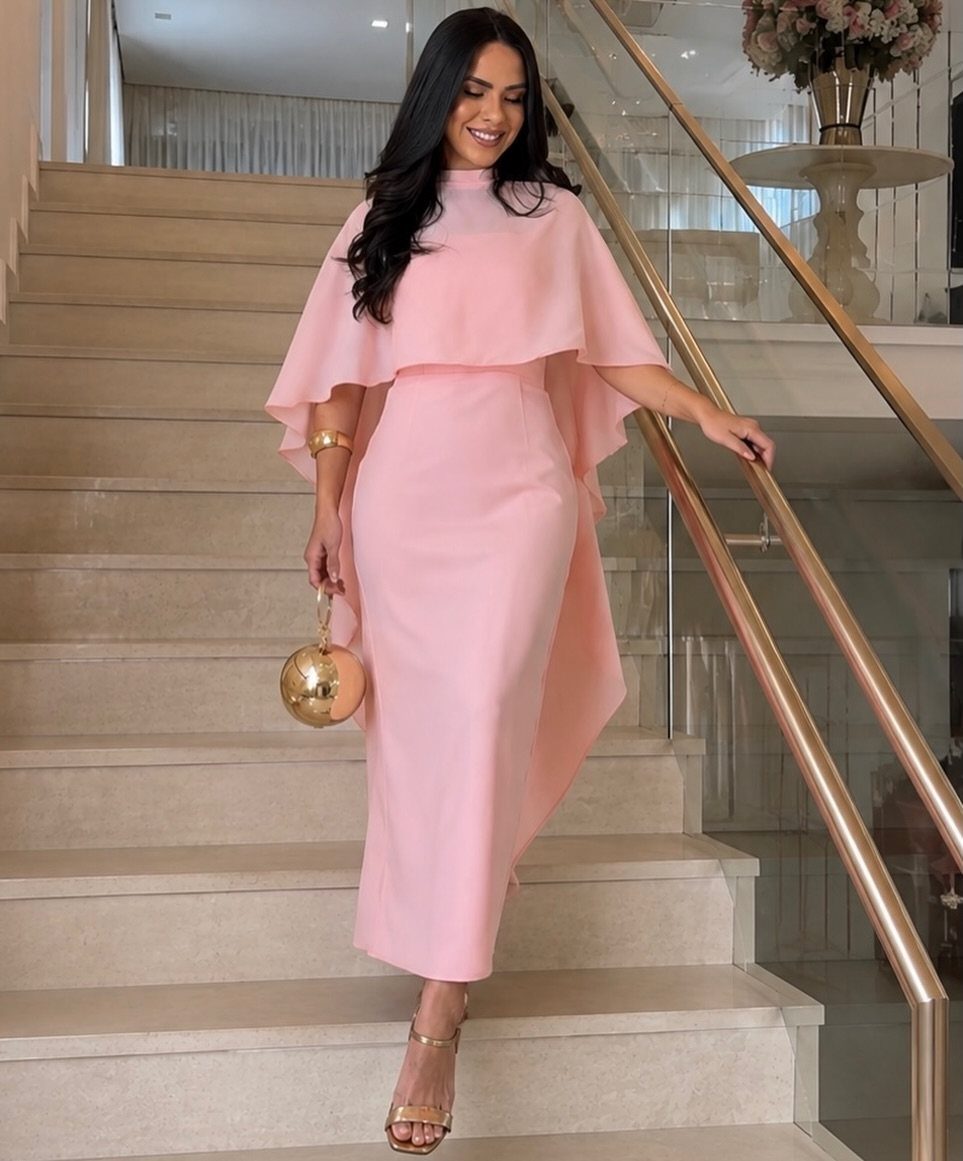
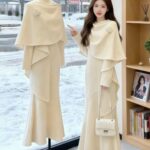
Structured dresses give you clean lines and a tailored fit that holds up through a full day of sitting, standing, and dancing. The capelet adds coverage without a jacket, which solves the ceremony-to-reception transition when temperatures drop.
This silhouette works well for pear and hourglass shapes because the structure holds at the waist and doesn’t cling at the hip. Pair with simple accessories since the dress already makes the statement.
6. Wedding Guest Dress with Ruffles
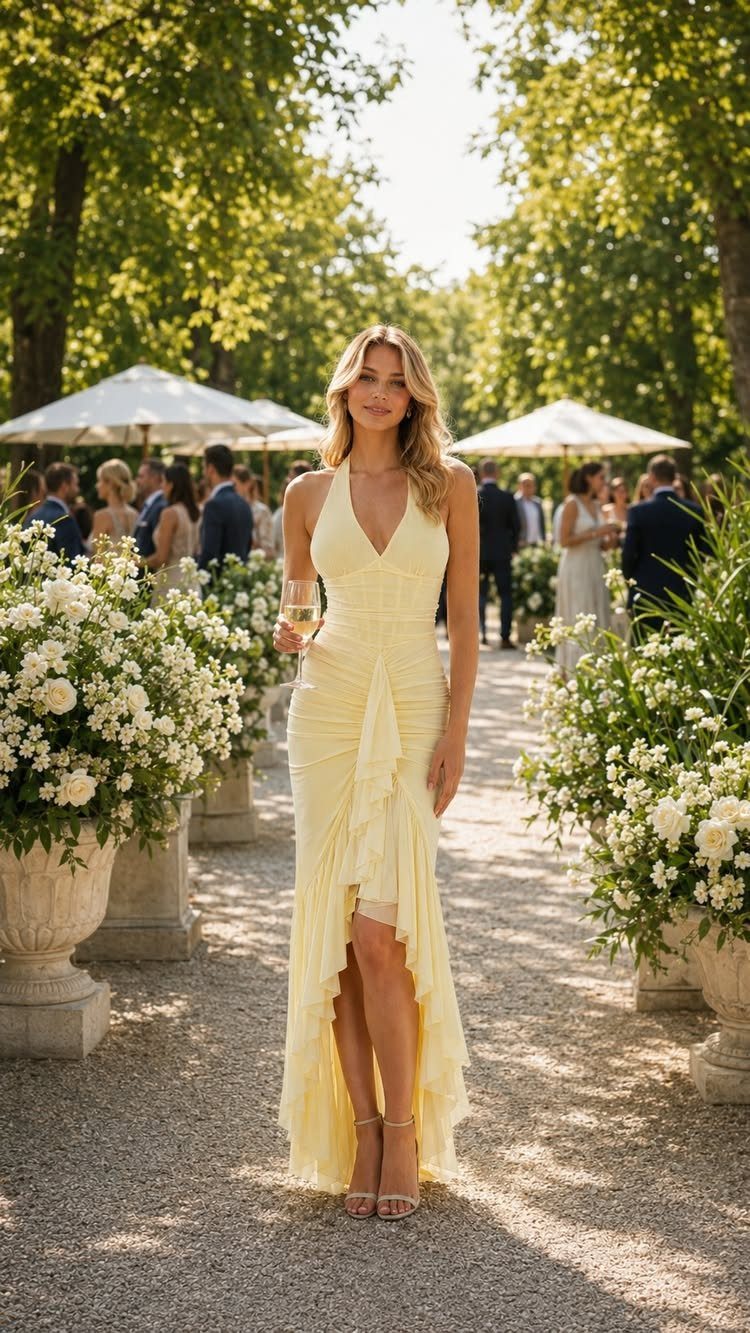
Ruffles add movement and soften a simple silhouette, and the high-low hem keeps them from feeling too precious. Yellow works beautifully for spring and photographs well in natural light, though the color demands confidence since it draws attention.
The asymmetric hem shows off your shoes, so choose a heel you can actually walk in on grass or uneven surfaces. Skip additional embellishment and let the ruffles do the work.
7. Matching Sets
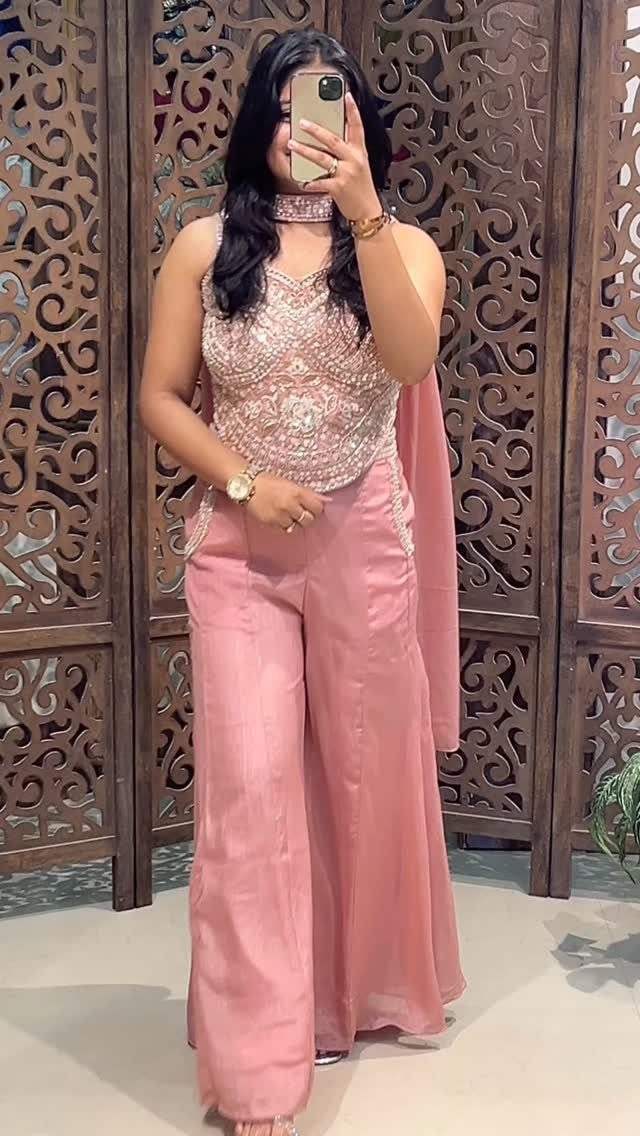
A matching set in a crop top and wide-leg trousers splits the difference between a dress and separates, and the beading brings just the right polish for a wedding ceremony without any of the stiffness.
The two-piece setup gives you options later since you can wear each piece on its own.
Wide-leg trousers work best on taller frames or with a heel that adds height, otherwise the proportions can overwhelm. The crop length means you’ll want high-waisted bottoms that sit at your natural waist to avoid showing skin during the ceremony.
8. Yellow Lace Midi Dress
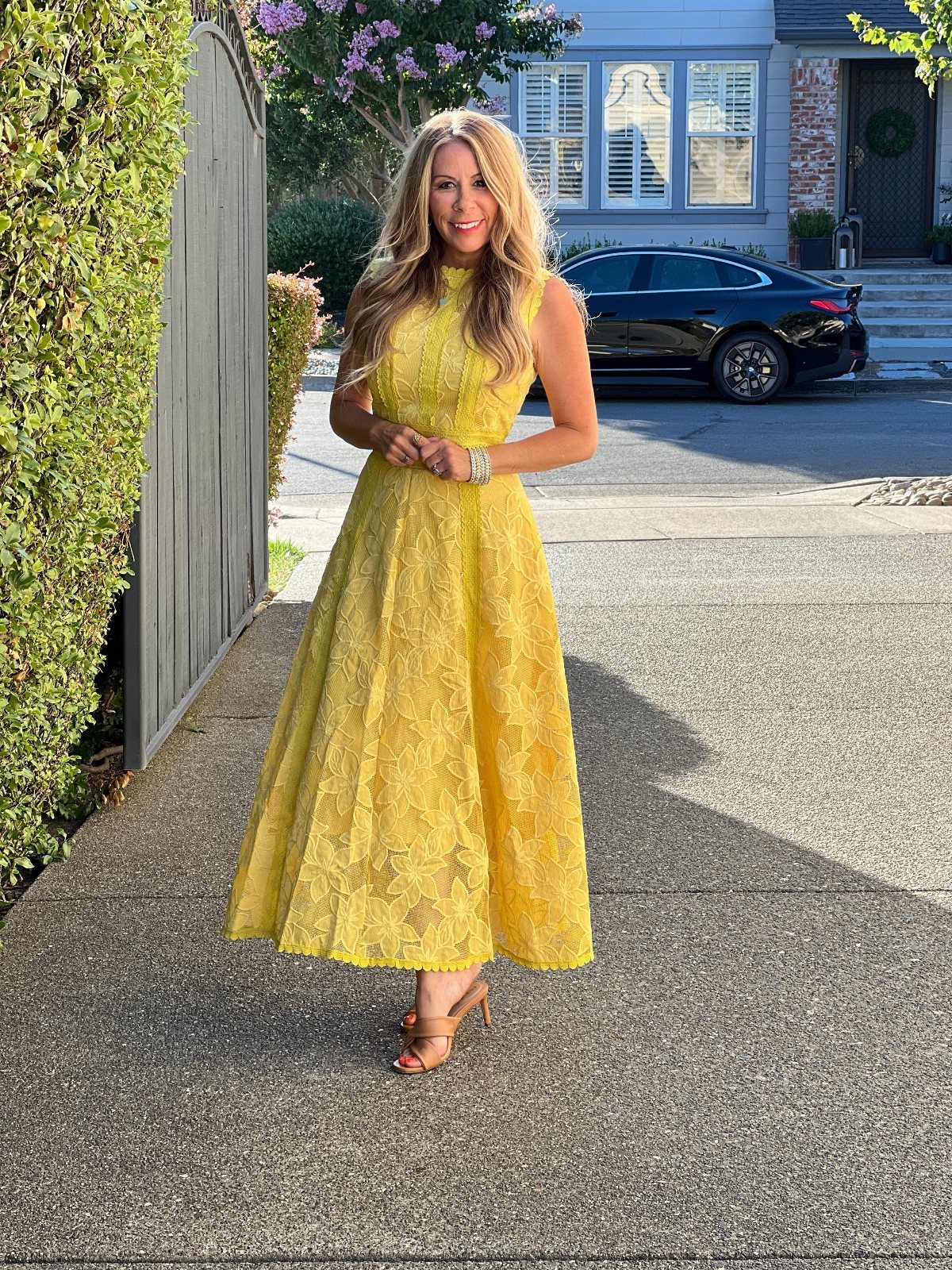
Lace in a saturated color like this yellow gives you texture and coverage without the weight of a lined fabric, which makes sense when temperatures climb.
The midi length and sleeveless cut keep it appropriate for a daytime ceremony, and the brightness photographs well outdoors.
Yellow flatters warm undertones but can wash out cooler complexions, so check in natural light before you commit. The tan heel grounds the brightness and stops the outfit from tipping too playful.
9. Tiered Fringe Maxi Dress
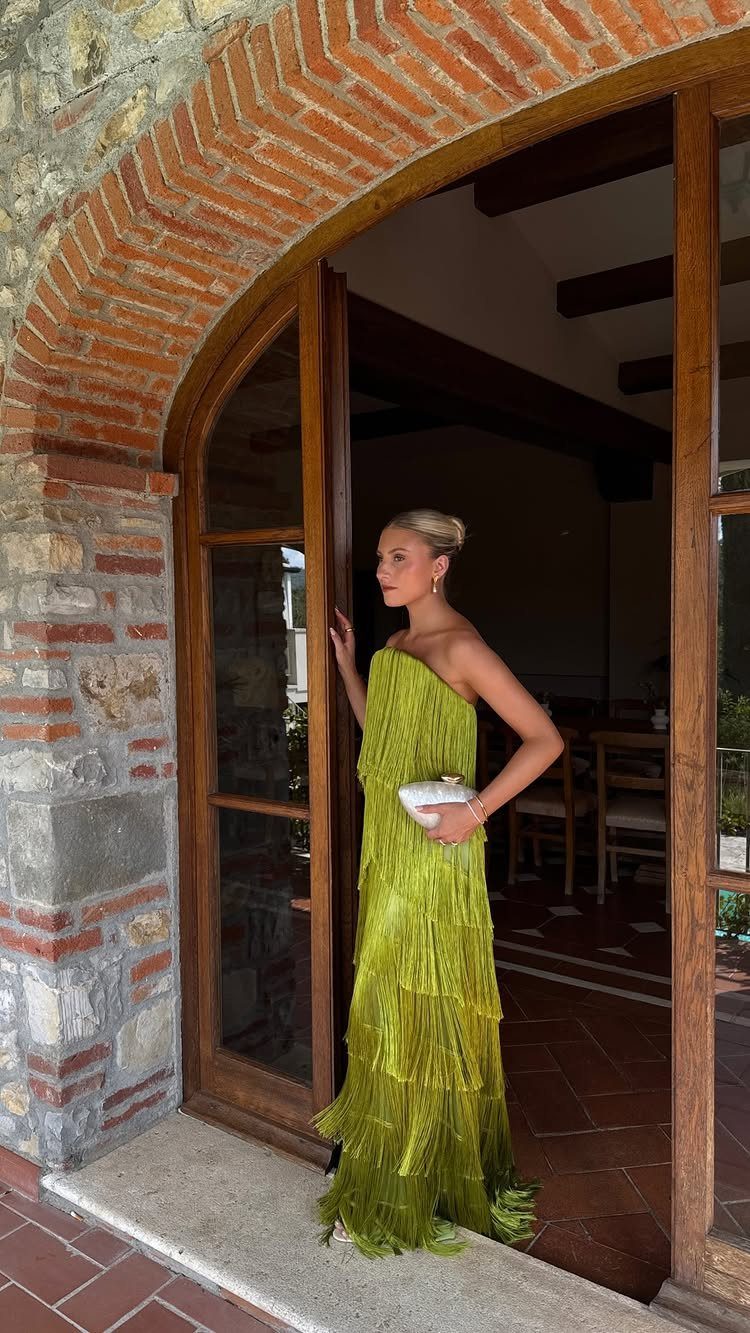
Fringe moves when you do, which makes this a dress for dancing rather than sitting through a long ceremony.
The lime green registers as bold even in spring, and the tiered construction adds volume at the hem, so this silhouette works best on frames that can carry the movement.
The one-shoulder neckline keeps the drama at the top and balances the fringe below. Bring a neutral clutch and simple jewelry since the dress already demands attention.
10. Satin Wrap Dress
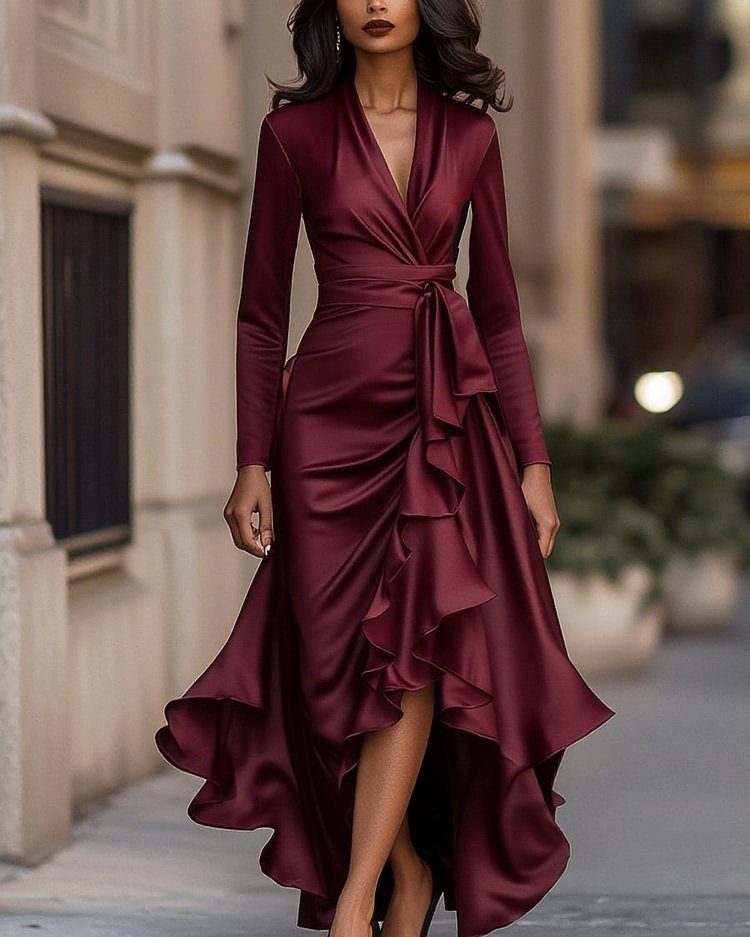
A wrap dress adjusts to your body as the day goes on, which is useful when you’re wearing something through a full wedding schedule.
The long sleeves and high-low hem give you coverage for a ceremony and enough movement for a reception, and burgundy reads formal without the severity of black.
Satin shows wrinkles quickly, so hang it and steam before you leave. The wrap closure can shift if it’s not secured properly, so pin it in place or choose a style with a hidden snap.
11. Sleeveless Black Midi Dress
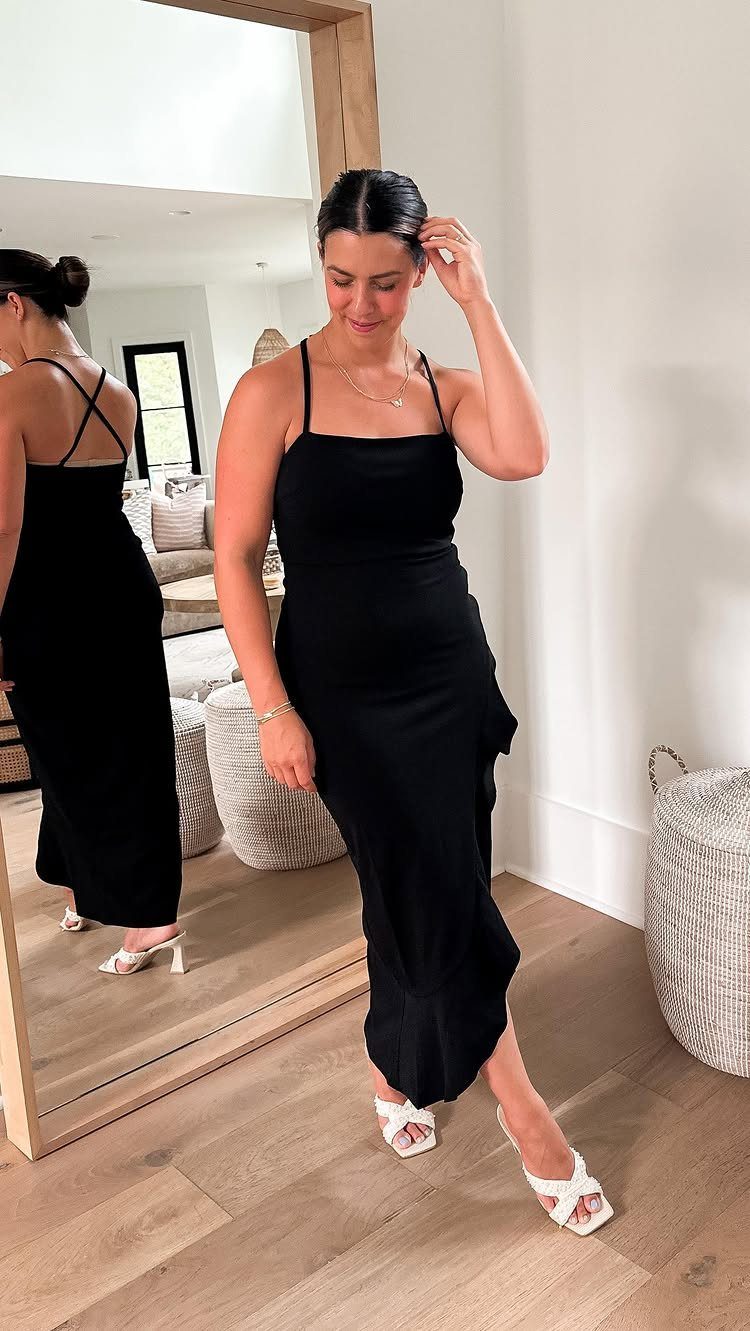
Black reads formal and works for nearly any spring wedding that isn’t explicitly asking for bright colors or pastels.
The sleeveless cut and midi length keep it from feeling too heavy for the season, and the simplicity gives you room to add statement jewelry or a bold shoe.
White heels lighten the look and stop it from reading too severe. This is the safest choice on the list if you’re uncertain about the dress code or the venue.
12. Cocktail Dress with Capelet
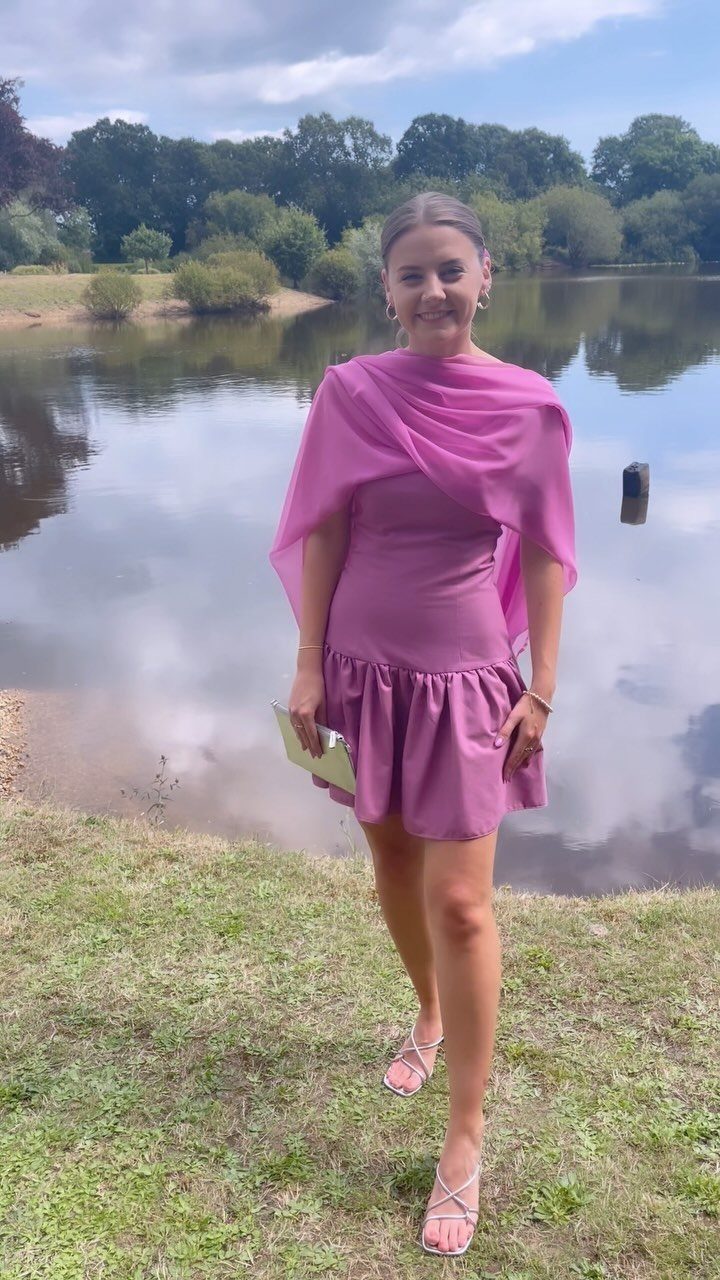
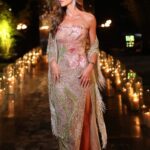
A capelet gives you the coverage of sleeves without the commitment, and the sheer fabric keeps it light enough for spring.
The mauve-purple sits between pink and plum, so it wears easier than either extreme, and the metallic clutch picks up the sheen in the fabric.
The capelet stays in place better if it’s attached rather than separate, so check the construction before you buy. This works well for outdoor weddings where temperatures drop after sunset.
Consider the Wedding Location
The venue sets the baseline for how formal your dress should read.
A ceremony in a country club or ballroom asks for more structure and length than a barn wedding or outdoor garden celebration, where lighter fabrics and looser silhouettes fit the setting better.
Outdoor venues mean unpredictable surfaces. Grass, gravel, and uneven pathways make heel choice matter as much as the dress itself, and a hem that drags will collect dirt before the ceremony ends.
Indoor spaces give you more freedom with delicate fabrics and shoes that wouldn’t survive a lawn.
Conservative settings like churches or formal family gatherings call for covered shoulders and longer hemlines.
If the dress you want doesn’t offer that coverage on its own, plan for a jacket, wrap, or shawl that completes the look rather than fighting it.
Weather Considerations
Spring weather swings between warm afternoons and cold evenings, sometimes in the span of a single event.
Checking the forecast as the date approaches gives you a better sense of what to prepare for than hoping the date alone tells the story.
A jacket or wrap solves the temperature drop without forcing you into something heavy.
Choose one that matches the formality of the dress rather than defaulting to whatever is already in your closet, since a casual layer can drag down an otherwise polished outfit.
Open-toe shoes work well for daytime ceremonies, but closed-toe options give you more flexibility if the forecast turns. An umbrella is worth bringing if rain is likely, particularly for outdoor venues where cover is limited.
Dance Floor Readiness
A dress that fits well while standing can turn restrictive the moment you sit, bend, or move quickly, and you’ll feel that difference on the dance floor.
Floor-length gowns and narrow silhouettes limit your range of motion, so if dancing matters to you, choose something with a shorter hem or a cut that moves with your body.
Fitted dresses work only if the fabric has stretch or the seams allow enough ease to lift your arms and take full steps. Stiff materials or tight construction mean you’ll spend the night tugging and adjusting instead of enjoying yourself.
Test the dress before the event.
Sit down, raise your arms, take a few quick steps. If any of that feels uncomfortable, it will only get worse after a few hours.
Frequently Asked Questions
What to wear to a spring wedding?
Pick your dress based on the venue formality, time of day, and forecast.
Lighter fabrics and colors suit the season, but bring a blazer or wrap if the ceremony runs into evening or the weather turns. Outdoor venues mean you’ll need a hem and heel that can handle grass or uneven ground.
What colors should I avoid?
Stay away from white and anything close to it, since that belongs to the bride. Beyond that, choose colors that don’t pull focus or clash with the formality of the event.