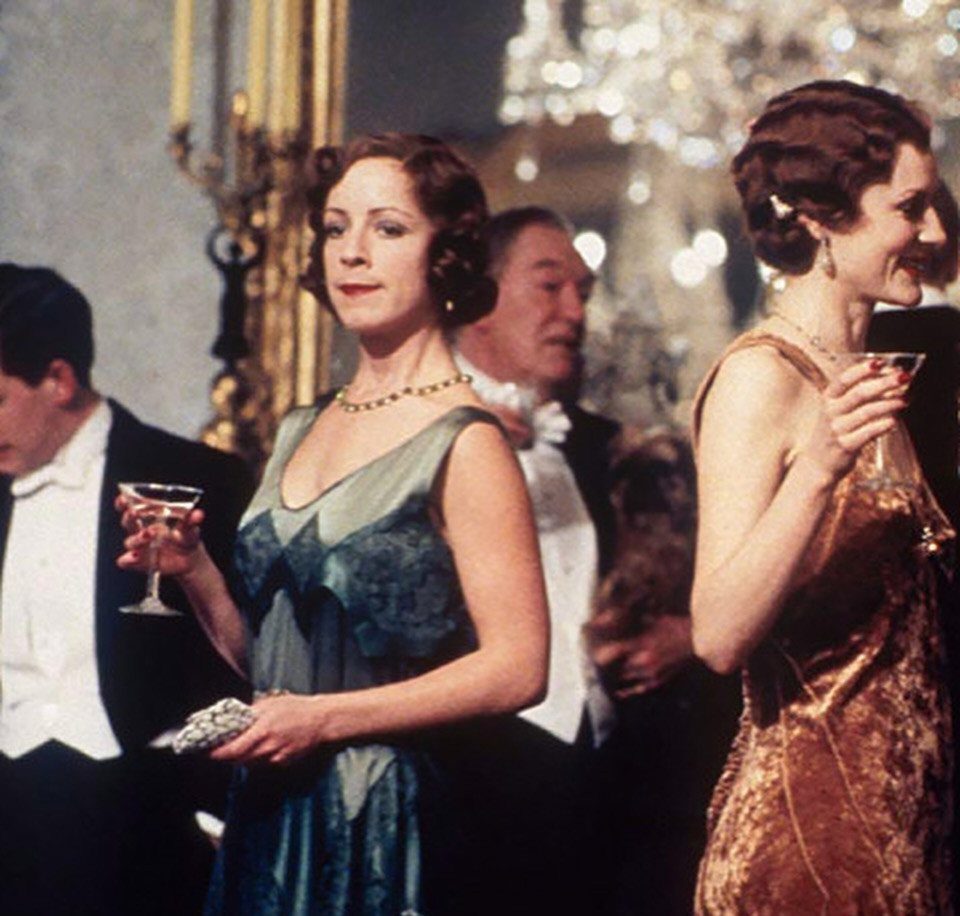
Drop-waist silhouettes with fringe run the spectrum from delicate lace embroidery to wide-sleeve sequin shifts and full beaded flapper regalia with fur stoles, and the right one depends on whether you’re dressing for a daytime garden party or a formal Gatsby event after dark.
Lace and embroidery suit softer settings, while beaded dresses layered with pearls and jeweled headpieces deliver the level of detail themed events expect.
Fringe that runs past the knee catches light and sways with every step, and gold tones photograph well under mixed indoor lighting without competing with your jewelry.
1. Drop-waist Dress with Fringe
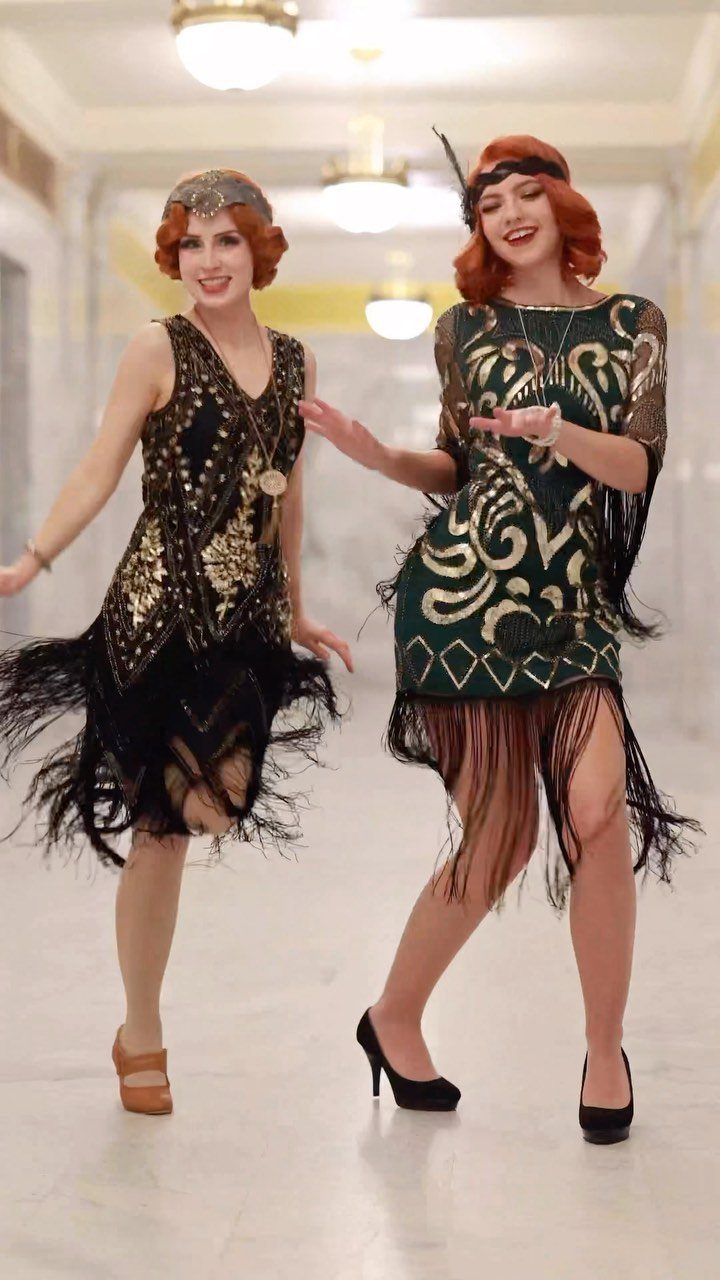
The drop-waist silhouette is the foundation of 1920s dress design, sitting at the hip rather than the natural waist and creating that signature straight, boyish line.
Fringe and beading add the movement flapper dresses are known for.
The fringe here runs long, reaching past the knee, so every step and turn catches light and sways. Gold tones work especially well because they photograph beautifully and suit most skin tones without competing with jewelry or headpieces.
For a complete look, add a beaded headband or a jeweled hairpiece. The dress does most of the work, so accessories can stay simple: a strand of pearls, T-strap heels, and you’re set.
2. Lace and Embroidered Dresses
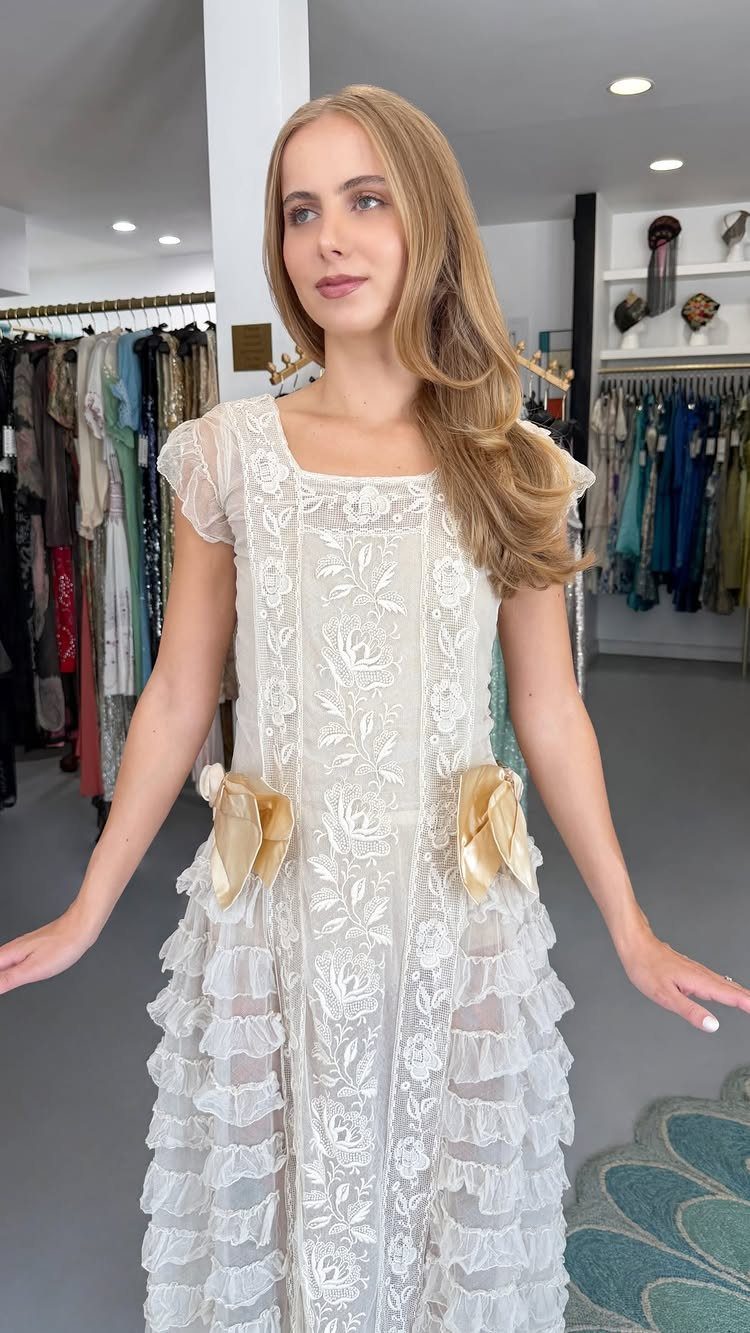
Lace and embroidery bring a softer take on 1920s style, trading sequins and fringe for delicate texture and handwork.
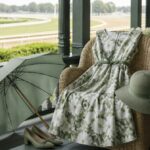
Scrolling floral embroidery running from neckline to hem, arranged in a wide vertical panel with stylized blossoms and curling stems, gives a dress instant 1920s character without beading.
The bodice is made from 2 layers of sheer net tulle, and petite flutter sleeves soften the shoulders.
This approach suits daytime events or garden parties where a beaded flapper dress would feel too formal.
The workmanship in vintage-inspired lace pieces tends to be extraordinary, so if you’re buying rather than renting, inspect the stitching and seam finishes closely.
Pair it with low-heeled Mary Janes and a simple clutch.
3. Beaded Flapper Dress with Accessories
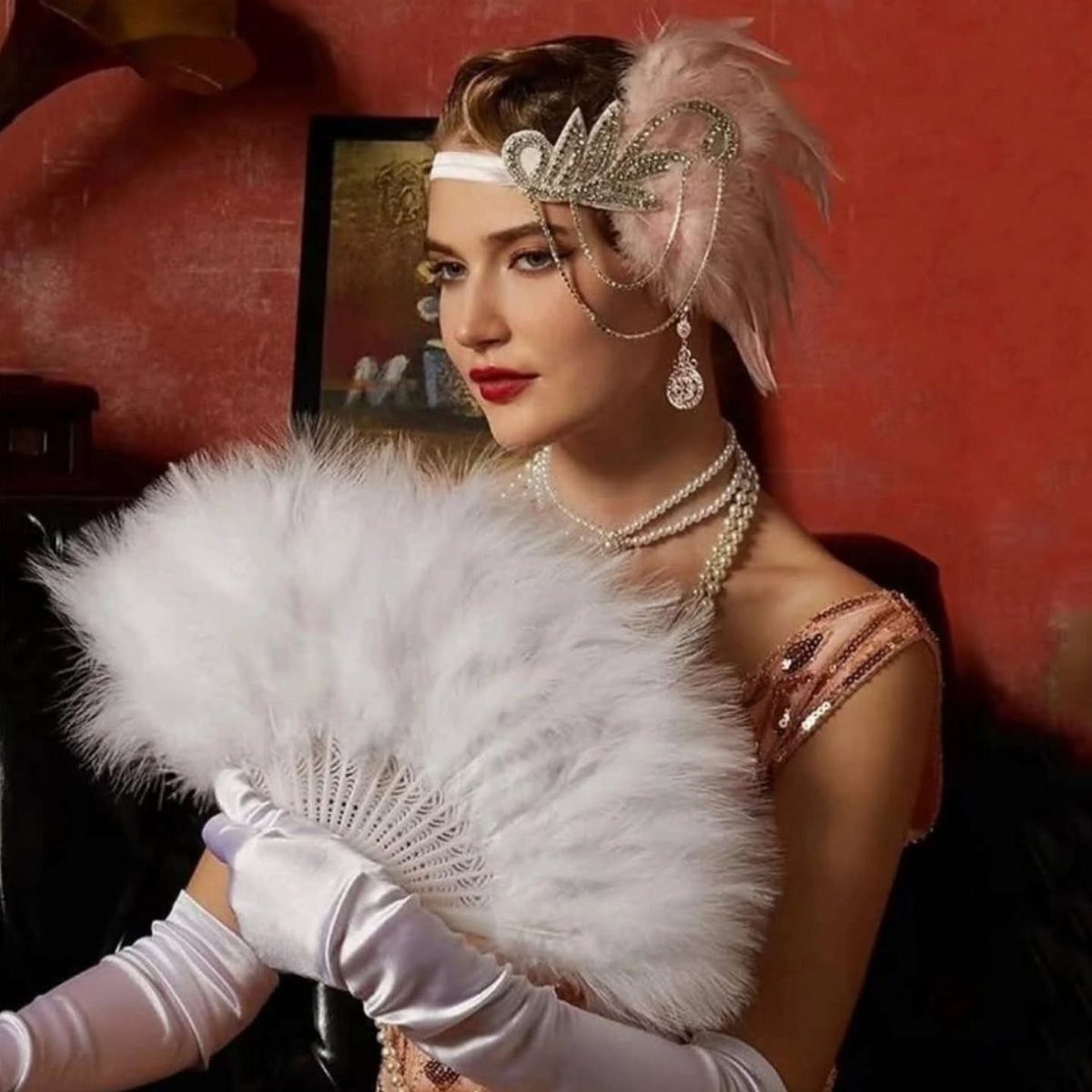
A beaded flapper dress paired with white opera gloves, layered pearl necklaces, a jeweled feather headpiece, and a feather fan delivers the full 1920s silhouette in one coordinated outfit.
The gloves should reach past the elbow, especially if the dress is sleeveless or has short sleeves.
Pearls layer best in varying lengths: one choker-length strand, one longer. The headpiece anchors the look and keeps hair off the face, which is period-accurate and practical for dancing.
The feather fan is optional but adds drama in photos and gives you something to hold. If you’re attending a themed party or a Gatsby event, this level of accessorizing is expected.
4. Wide-sleeve Sequin Shift Dress
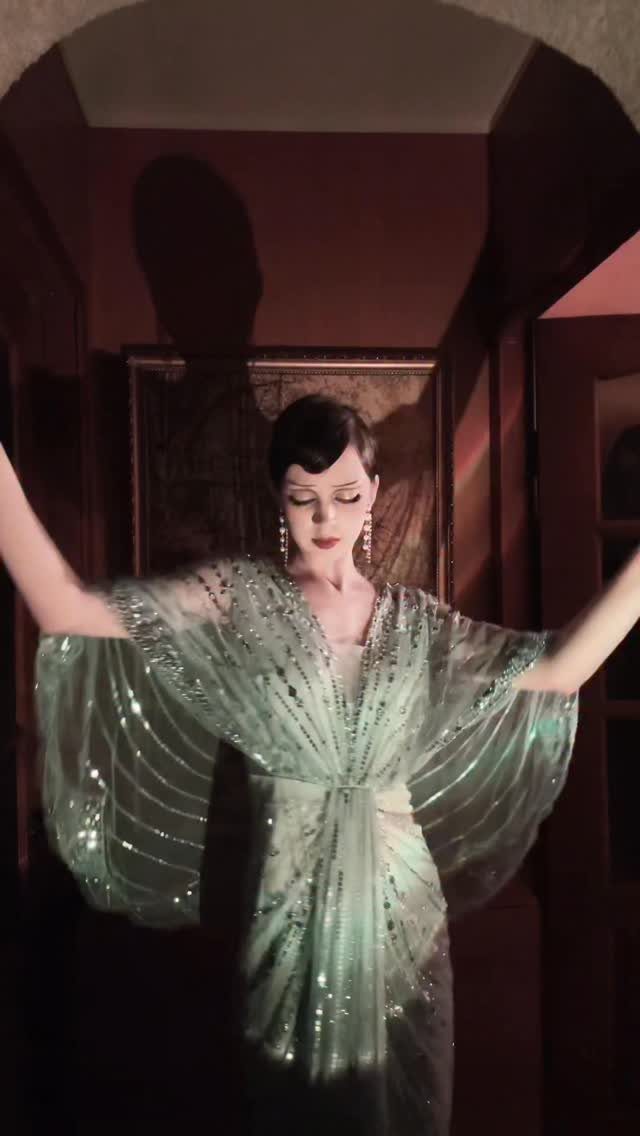
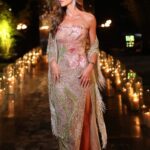
Wide sleeves set this sequined shift dress apart from the sleeveless flapper silhouette most people picture.
The flowing sleeves add coverage while keeping the dress lightweight and easy to move in, and the light green sequins catch low light without reading as too formal.
Sequins in softer colors like mint, blush, or champagne photograph better than black or silver under mixed indoor lighting, which matters if you’re dressing for an event with photos.
The shift cut keeps the fit forgiving through the waist and hips.
Style it with simple strappy heels and a small clutch. The sleeves are the statement, so jewelry can stay minimal.
5. Flapper Dress with Fur Stole
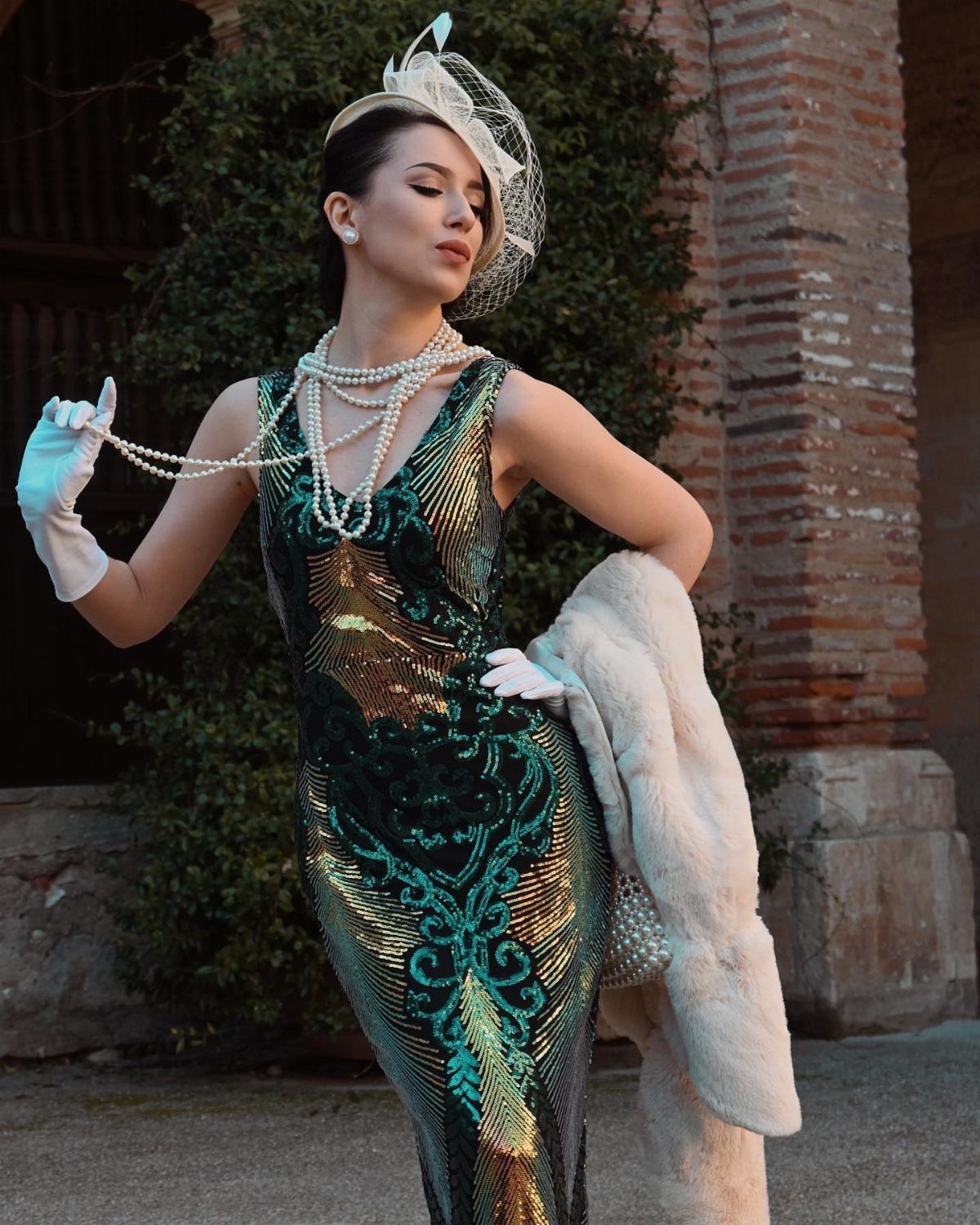
A faux-fur stole layered over a sequined flapper dress gives you the glamour of 1920s evening wear with warmth for outdoor photos or cooler venues.
The white fur contrasts cleanly against the green sequins, and the layered pearls, gloves, and feathered headpiece complete the silhouette.
Faux fur works better than real vintage pieces for most people: it’s lighter, easier to clean, and doesn’t carry the ethical or preservation concerns.
Drape it over your elbows rather than wrapping it tightly, which keeps the dress visible and looks more elegant in photos.
This combination suits formal themed events where you want a polished, put-together look that references the era without feeling like a costume.
What Not to Wear
A bodycon dress covered in fringe is still a bodycon dress, no matter what you hang off it.
Modern shoes look exactly like what they are in photos. Sneakers under a flapper dress won’t work.
If you’re aiming for period accuracy, the knee-length hem is the one to pick.
Color and Fabric Choices
Neutral tones like black, navy, ivory, and champagne gave beadwork and embellishment room to show up, and they still photograph well under any lighting.
Gold, silver, and bronze showed up everywhere, usually worked into beading or sequins.
These finishes brought the glamour without requiring much else in the way of jewelry. After dark, champagne worked alongside the metallics.
Deep jewel tones carry the era’s elegance without reading as costume.
Art Deco patterns defined the aesthetic: geometric shapes, symmetrical lines, and bold contrasts. These patterns felt modern when they first appeared and still carry that sharpness.
Silk and chiffon were common fabrics, lightweight enough for dancing and formal enough for evening events.
Styling for Occasions
Keep your accessories simple so the outfit stays polished.
Themed events expect this level of detail.
A straight-cut dress from a thrift store can work if it has beading, sequins, metallic thread, velvet, ruffled skirts, tiered layers, or crochet. If you find an 80s beaded dress, pull the shoulder pads out.
Frequently Asked Questions
What defines a 1920s-inspired dress style?
That dropped waistline lands at your hip, not where your waist actually sits, and it gives the whole dress a long, straight frame instead of any cinching.
Embellishments like beading, sequins, fringe, and embroidery add texture and movement, designed to catch light while dancing. Necklines stay modest with bateau, scoop, or V-neck cuts, and sleeves range from none to short with delicate finishes.
What colors were popular in 1920s fashion?
Black, navy, ivory, and champagne showed up constantly because they kept the focus on beading and looked clean in photographs no matter the light.
Gold, silver, and bronze appeared everywhere as sequins or beading, bringing glamour without requiring much jewelry. Jewel tones and geometric Art Deco motifs brought contrast and a sharper, more architectural feeling to the look.
Can you wear a 1920s-inspired dress to a modern event?
Yes, a beaded or sequined shift dress works for modern events when you keep accessories simple and let the dress carry the look.
The straight cut and lightweight fabric make these dresses easy to move in, so they suit cocktail parties or formal dinners without reading as costume.