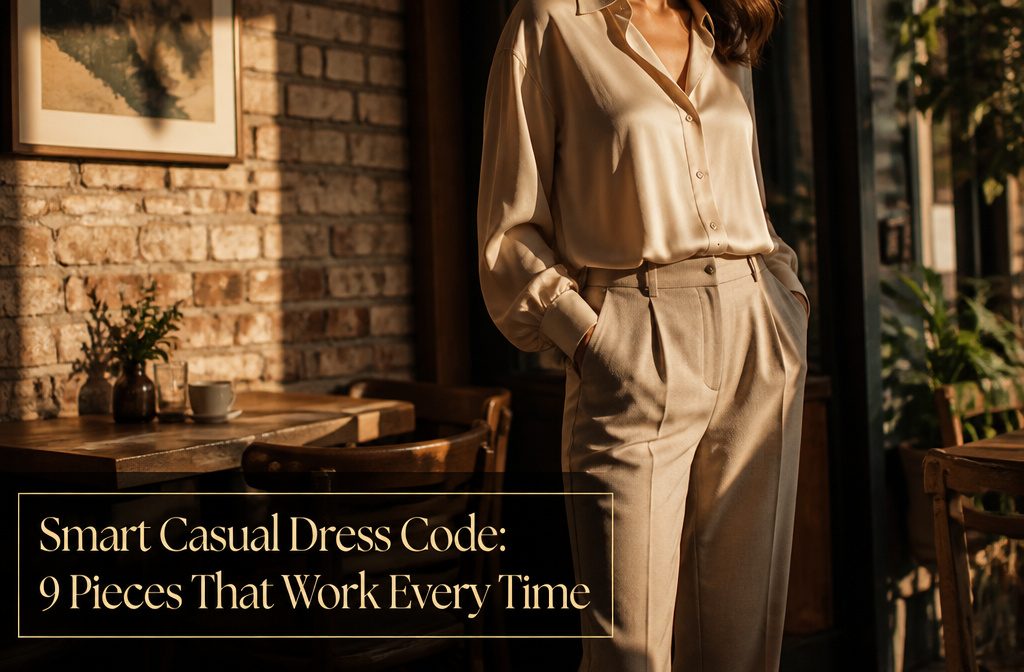
Smart casual pairs one structured piece with one relaxed piece to look polished without the formality of business attire.
The balance trips people up because it shifts by setting: dark-wash jeans with a silk blouse and loafers work for creative offices and dinners, but swap the jeans for tailored trousers when the room leans more professional.
What Smart Casual Actually Means
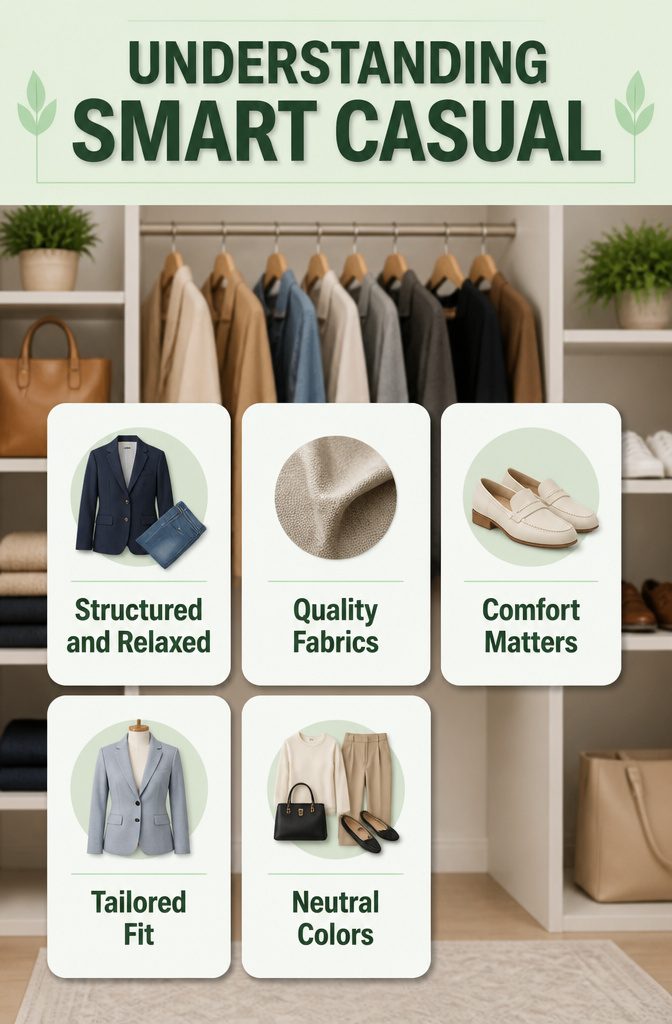
Smart casual blends structured and relaxed pieces so you can look polished without the full formality of business attire. It sits between easy weekend wear and office polish—cleaner than casual, softer than business casual, and miles from cocktail dressy.
The approach works for settings where you want to look put-together but not stiff: client coffee, dinner out, daytime events where showing up in a blazer feels right but a full suit does not.
Four principles keep the balance working. Pair one relaxed piece with one structured piece—crisp blazer with dark denim, refined tee with pleated trousers, midi skirt with a neat cardigan.
Fit should be tailored but not tight: hems that hit the right point, sleeves that end at the wrist bone, waist shaping that skims rather than clings.
Polish comes from quality fabrics and clean finishes; neutrals read smartest, hardware and logos stay minimal, shoes and bags stay structured or sleek.
Comfort matters because you need to move: breathable fabrics with a touch of stretch, wrinkle-resistant finishes, supportive flats or low block heels you can actually walk in.
Blazers and Structured Jackets
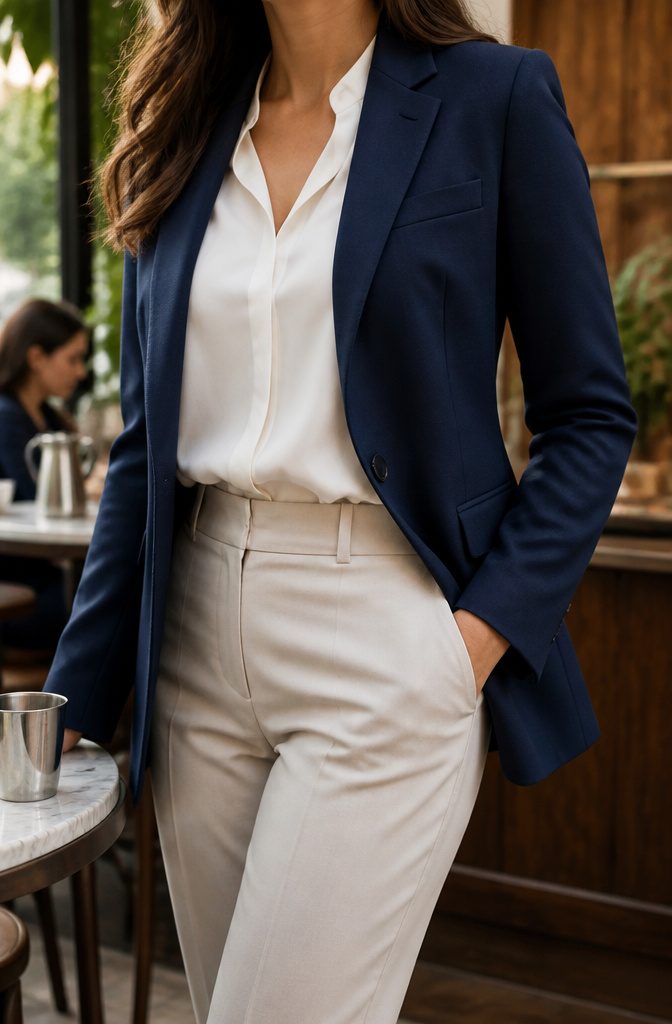
A tailored blazer is the fastest way to pull a smart casual look together.
Single-breasted, lightly structured, and cut at hip to longline lengths in twill, crepe, or wool blends, a blazer adds definition without the weight of a full suit.
Neutrals like black, navy, camel, and gray read more formal, but the real versatility comes from breaking up the suit.
Pair the jacket with dark denim or a midi skirt instead of matching trousers, and you stay well clear of business-formal territory.
Cardigans work when they’re neat. Fine-gauge, ribbed, or boxy silhouettes worn open over a tee or buttoned as a top give polish without bulk.
Cropped cardigans flatter wide-leg trousers; longer styles soften slip skirts. Skip anything overly chunky or fuzzy.
A trench coat in khaki, stone, or navy instantly elevates jeans and a tee. Mid-thigh to midi length, belted at the waist, it plays the same role as a blazer but carries more presence.
In colder months, a tailored topcoat does the same work. Save sporty puffers for weekends.
Button-Down Shirts and Silk Blouses
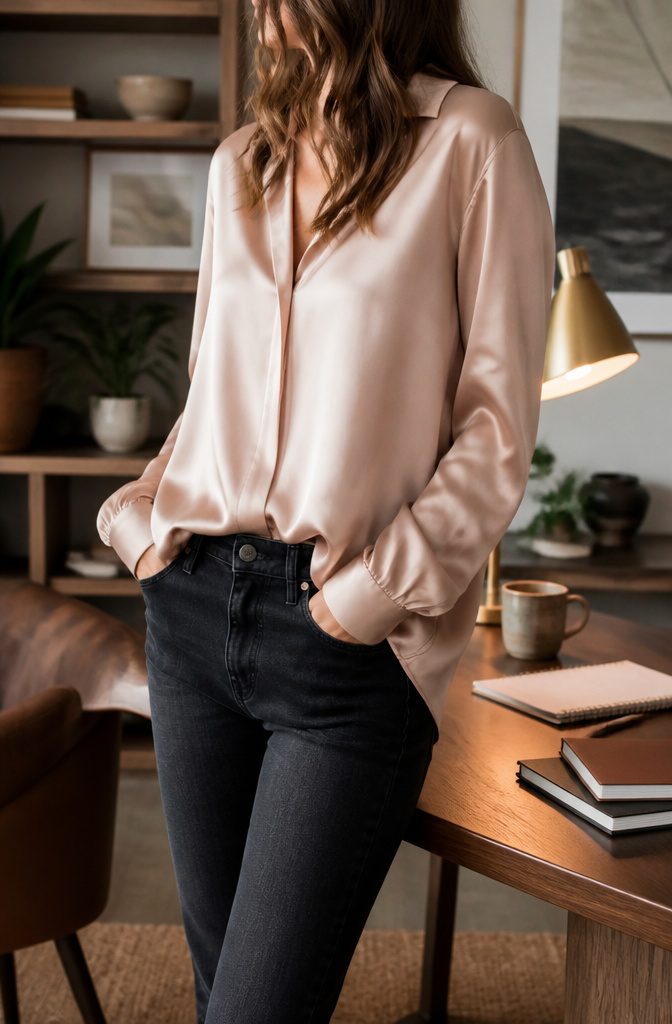
Button-down shirts and silk blouses offer the polish smart casual needs without tipping into business-formal stiffness.
The fabric matters more than the cut: silk, crepe, or crisp poplin read as intentionally dressed rather than accidentally casual, even when the collar is open or the hem is left out.
A silk blouse worn half-tucked over dark jeans carries enough refinement for dinner or a first meeting, while a poplin button-down tucked into tailored trousers works for presentations without looking like you pulled it from a suit.
The tuck itself is a dial you can adjust. Fully tucked and buttoned reads sharper; worn open over a tank or left untucked with the sleeves rolled shifts the same piece toward relaxed without losing the finish.
That flexibility is what makes these tops worth the closet space. Quality shows in how the fabric drapes and whether the seams stay flat after a few wears, so opacity and a smooth hand are worth checking before you buy.
Fine-Knit Sweaters and Polo Shirts
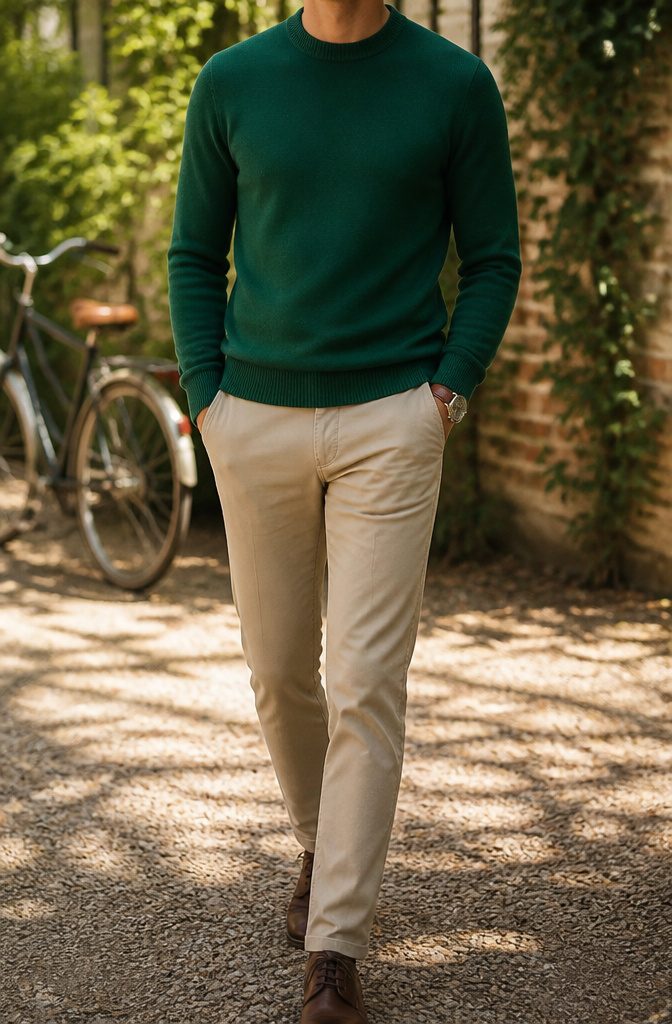
Fine-knit sweaters and polo shirts step in when the setting leans slightly more relaxed but still expects polish.
A fine-gauge knit skims the body without cling, pairs cleanly with trousers or a midi skirt, and keeps you warm without the bulk of a chunky sweater.
Polo shirts offer the same approachable feeling: collared, breathable, and easy to tuck or leave loose depending on the occasion.
Both work best in breathable materials like cotton, which hold their shape through a full day and layer well under a blazer or cardigan when the temperature drops.
Stick with opaque fabric and simple necklines. The fit should be neat but not tight, and the finish should look deliberate rather than casual in the way a graphic tee reads.
If one piece is relaxed, balance it with something structured to keep the outfit firmly in smart casual territory.
Tailored Trousers and Chinos
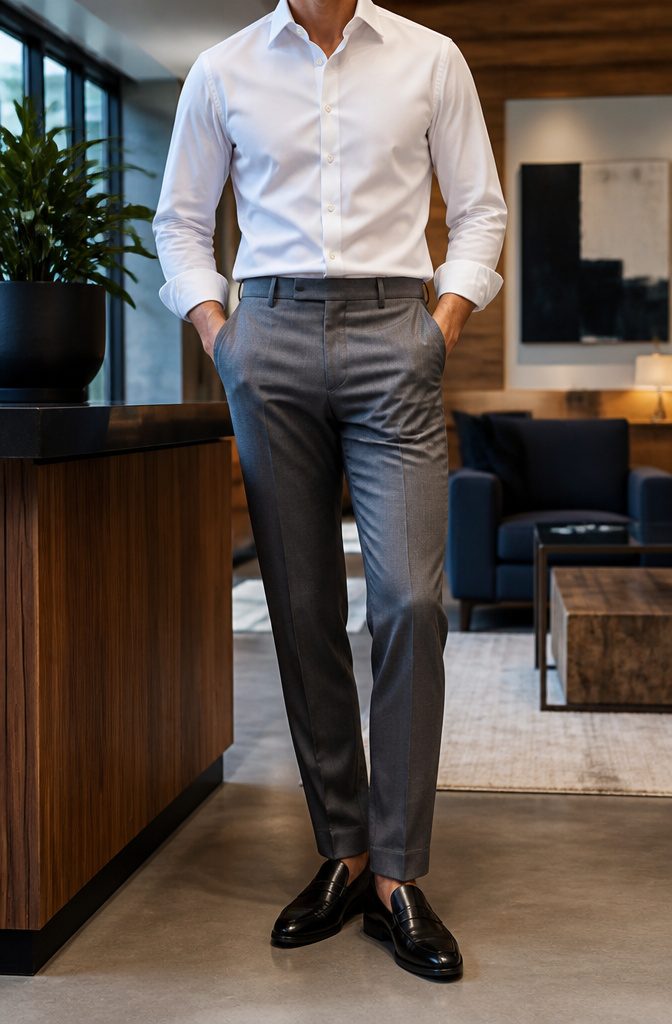
Tailored trousers and chinos anchor a smart casual outfit better than anything else you can pull from the closet.
Chinos sit at the top because they give you comfort and flexibility across every season, and they dress up or down without much effort.
Navy, gray, and beige are the colors that do the most work here, pairing cleanly with nearly every top you already own.
Tailored trousers sharpen the look when you need something slightly more polished, especially in wool, cotton, or blended fabrics that hold their shape through a full day.
Fit decides whether these bottoms read as smart casual or just casual. They should be tailored but comfortable, never baggy around the ankle or hips.
Too loose and the outfit loses its polish; too tight and you’ve swung formal. Dark washes work best for fall and winter, lighter tones for summer, and the right proportion keeps the whole look balanced from waist to shoe.
Dark-Wash Jeans Without Rips
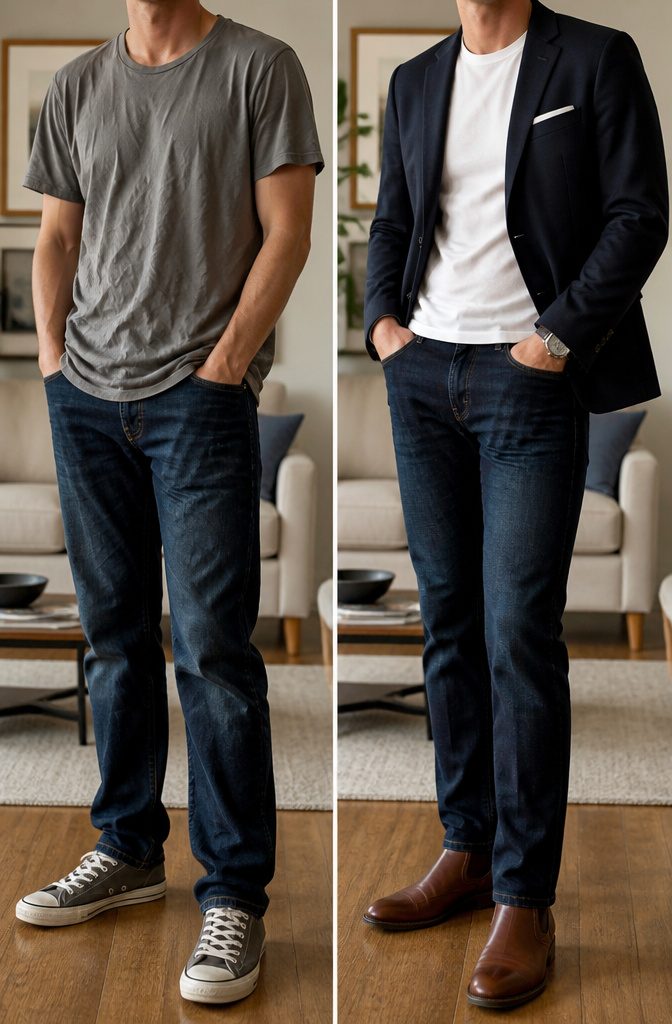
Dark-wash jeans free of rips or distressing are smart casual material, but the line between polished and weekend runs through what you pair them with.
A straight-leg or slim-fit cut in a dark wash reads clean and contemporary. What you want to avoid are heavy distressing, frayed hems, or any visible wear.
The jeans themselves are only half the answer.
Pair them with something structured on top: a silk blouse and tailored blazer, or a fine-knit sweater with loafers or heeled boots. That intentional mix of high and low makes the outfit feel smart rather than casual.
The jeans anchor comfort while the rest of the outfit carries the formality, and that balance is what makes this work for creative offices, dinners, and most daytime smart casual settings.
Midi Skirts
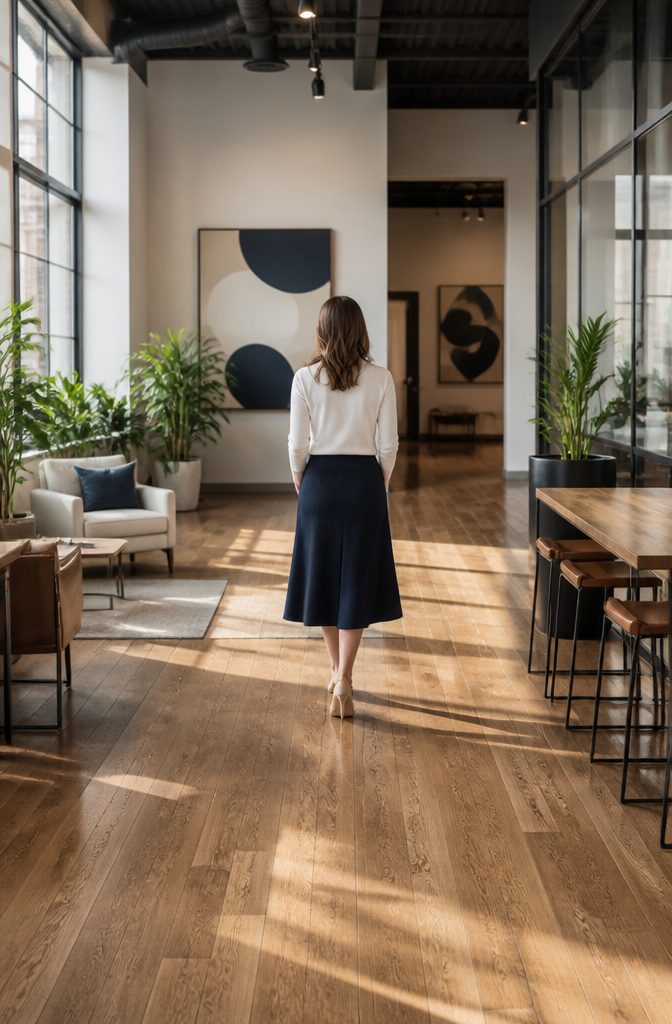
A midi skirt with a tailored top or fine-knit sweater anchors smart casual when you want feminine polish without the formality of trousers.
Midi slip skirts in satin, A-line cuts in crepe, or modern pencils in structured knit all work, and lengths that hit knee or below hold up across offices, dinners, and daytime events.
I pair mine with a silk blouse or a fitted crewneck sweater, keeping the silhouette balanced so the skirt reads polished rather than too dressy or too casual.
Neutrals and darker tones look smartest, and keeping slits modest prevents the outfit from tipping toward cocktail.
The skirt becomes the structured piece in the outfit, which means you can relax the top slightly without losing the overall polish smart casual requires.
Loafers and Ankle Boots
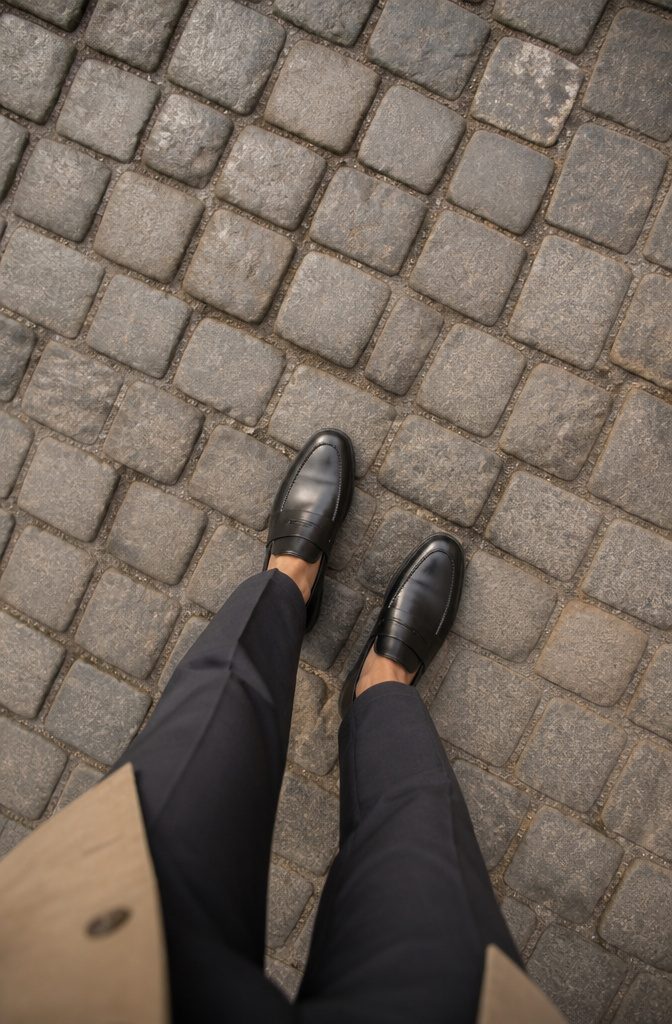
Loafers and Ankle Boots
Loafers sharpen jeans and ground midi skirts without tipping into formal territory. Look for penny, horsebit, or slightly chunky styles in smooth leather—they read polished but walkable, exactly where smart casual lives.
A slim-shaft ankle boot in leather or suede does the same work: the almond or pointed toe sits neatly under straight or wide-leg hems, and the structure lifts the whole outfit without requiring a stiletto height.
The detail that decides it is condition. Scuffed heels or worn-out edges undo an otherwise careful outfit faster than the style itself.
Clean, conditioned leather matters more than the brand name, and minimal logos keep the focus on the silhouette rather than the label. Both styles balance denim, dresses, and tailoring—exactly the range smart casual asks you to cover.
Ballet Flats and Clean Sneakers
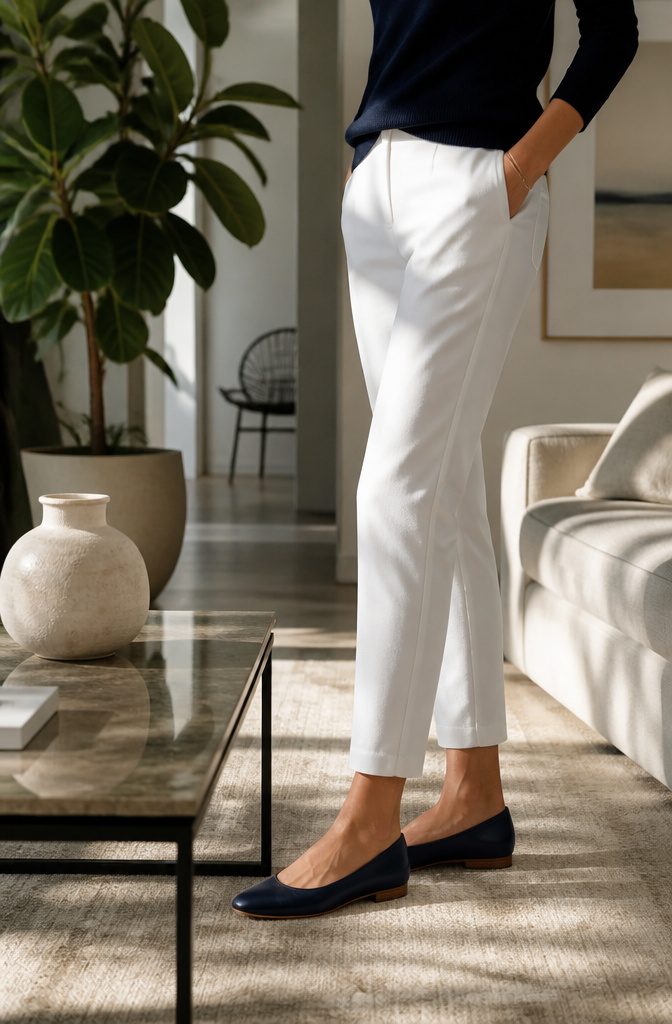
Ballet flats sit right on the smart casual line when the silhouette is clean and the material reads polished.
Leather or satin finishes with almond or square toes keep them modern and office-friendly, far enough from distressed canvas to work for dinners, creative offices, and daytime events.
Katie Holmes paired satiny ballet flats with embellished denim and an oversized cardigan, and the flats grounded the look without pulling it too casual.
Sneakers are more situational. They work for modern workplaces and off-duty smart plans, but only if they’re pristine, minimalist, and premium leather in white, black, or tan.
Athletic sneakers and logo-heavy styles don’t translate. The rest of your outfit needs to be sharp to carry them: tailored trousers or a flowy midi skirt balance the relaxed footwear.
Skip sneakers entirely for presentations, interviews, or anything leaning cocktail. When in doubt, loafers or polished flats are the safer bet.
Minimalist Watches and Structured Bags
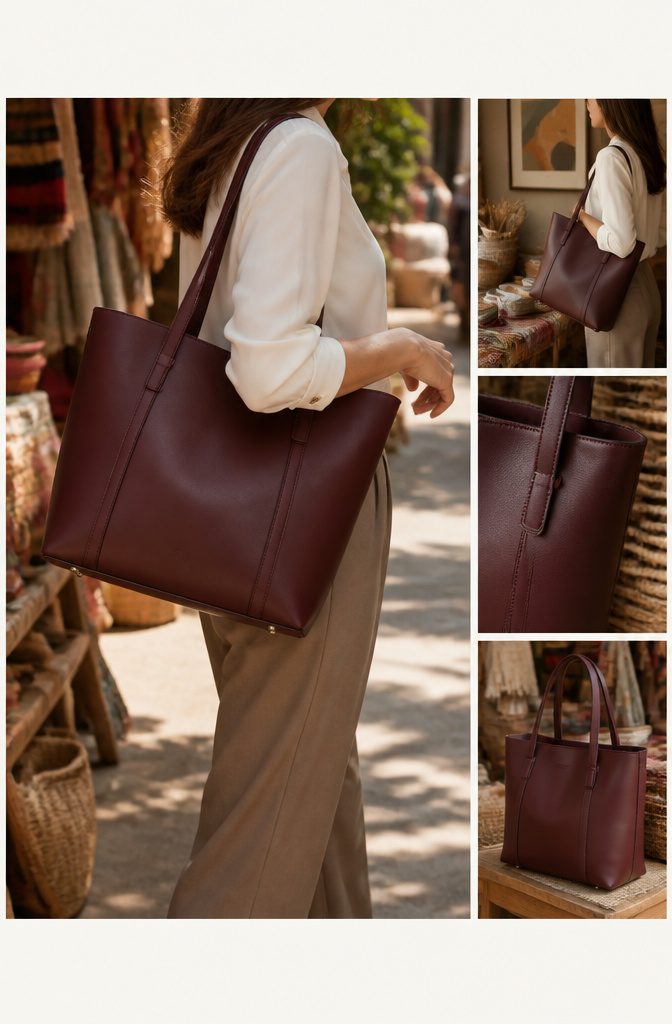
Minimalist Watches and Structured Bags
The right accessories finish a smart casual outfit without asking for attention.
One elevated piece to lead, everything else quiet is how I think about it: a structured leather bag, a clean watch, a slim belt that defines the waist, or intentional jewelry that stays cohesive with your hardware.
Pick one statement and keep the rest minimal.
A structured bag sharpens every piece it touches.
A leather shoulder bag, slim crossbody, or small tote with minimal hardware instantly refines denim, dresses, and trousers. I skip oversized logos and beachy totes outside daytime summer settings.
Belts do more than hold things up.
Slim to medium leather belts that match or complement your shoes refine pleated trousers and cinch shirt dresses or blazers into a defined, flattering silhouette. For jewelry, choose one focus: small to medium hoops, a pendant, or a single cuff.
A clean watch or sculptural bracelet reads professional and understated. Quality and simplicity matter more than quantity.
What Not to Wear
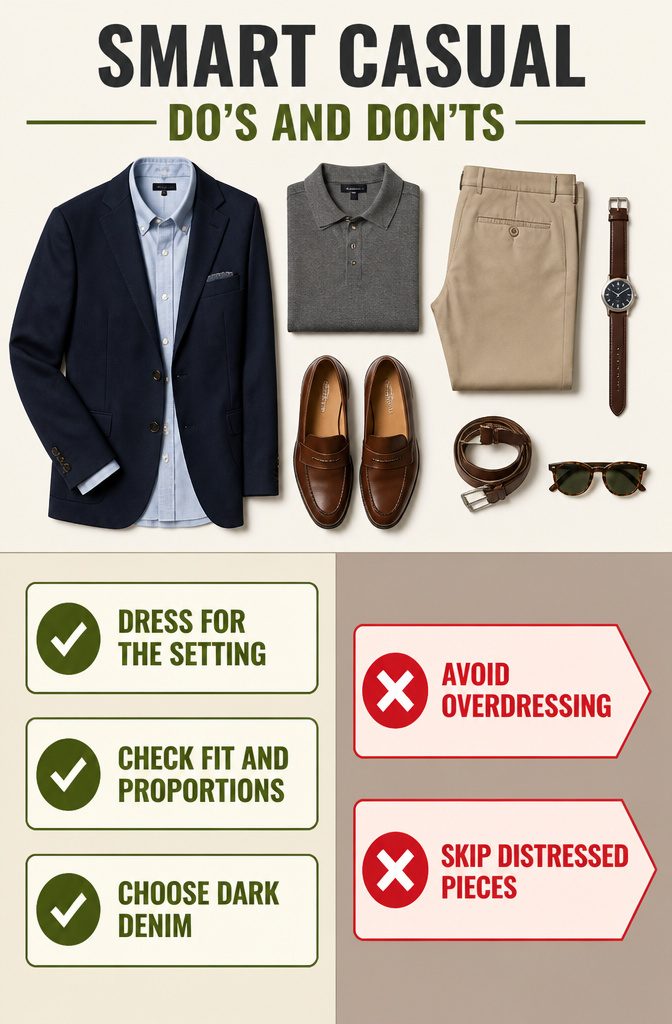
Smart casual lives in the balance between polished and relaxed, and these mistakes tip you in the wrong direction:
- Overdressing or underdressing for the setting. Showing up in a full suit when everyone else is in chinos reads as stiff; arriving in athleisure when the room is business-leaning looks careless. The context decides where the line falls, and missing it by much undermines the whole effort.
- Ignoring fit and proportions. Ill-fitting clothes look sloppy no matter how carefully you chose them. Pants that bag at the ankle, blazers that pull across the shoulders, or tops that are overly tight all wreck the silhouette. Tailoring turns off-the-rack pieces into something that actually fits your body.
- Wearing ripped or heavily distressed jeans. Dark-wash denim without rips works for smart casual; bleached or torn denim does not. The same goes for anything overly casual like graphic tees or athleisure staples. Those pieces pull the outfit too far toward weekend mode when you need something that still reads professional.
Building a Mix-and-Match Foundation
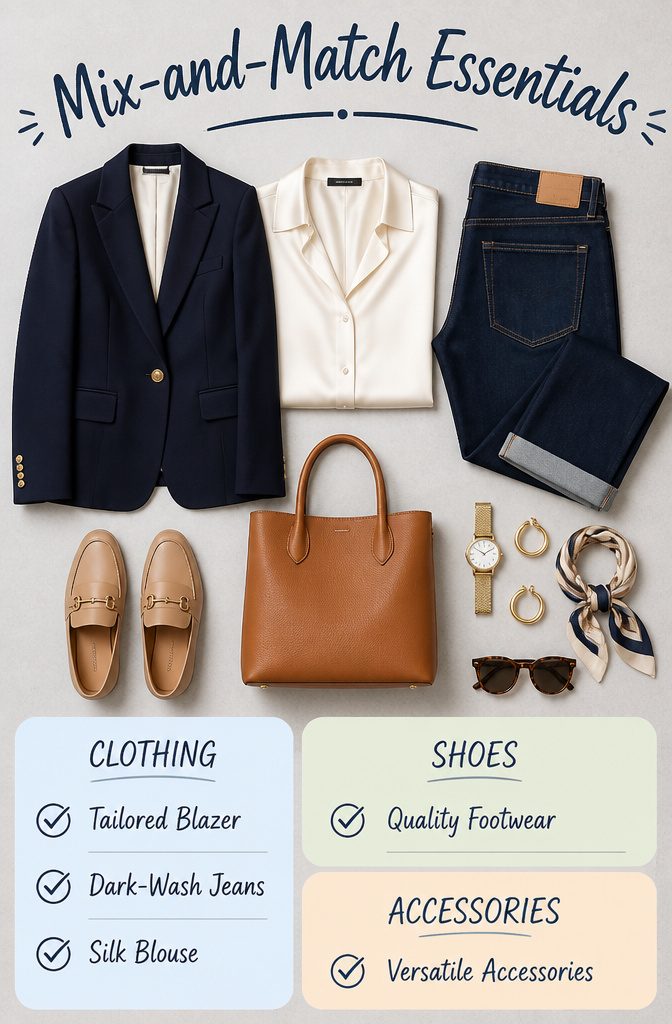
The smart casual wardrobe works on a kitchen-pantry principle: stock high-quality staples that mix and match, and you can pull together polished outfits without standing in front of the closet every morning.
A perfectly tailored blazer, dark-wash jeans that fit just right, a silk blouse. These are the pieces that solve more than one problem, and they let you build rather than accumulate.
The shift matters because a functional wardrobe is not about volume.
It’s about having the right clothes, not a lot of clothes. Every piece should serve multiple purposes, moving between settings and seasons without needing a second version in a different color.
Versatile staples in neutral shades work across occasions, so you stop shopping for single-use outfits and start dressing from what you already own. Quality over quantity stops being a goal and starts being the structure.
Adjusting for Seasons
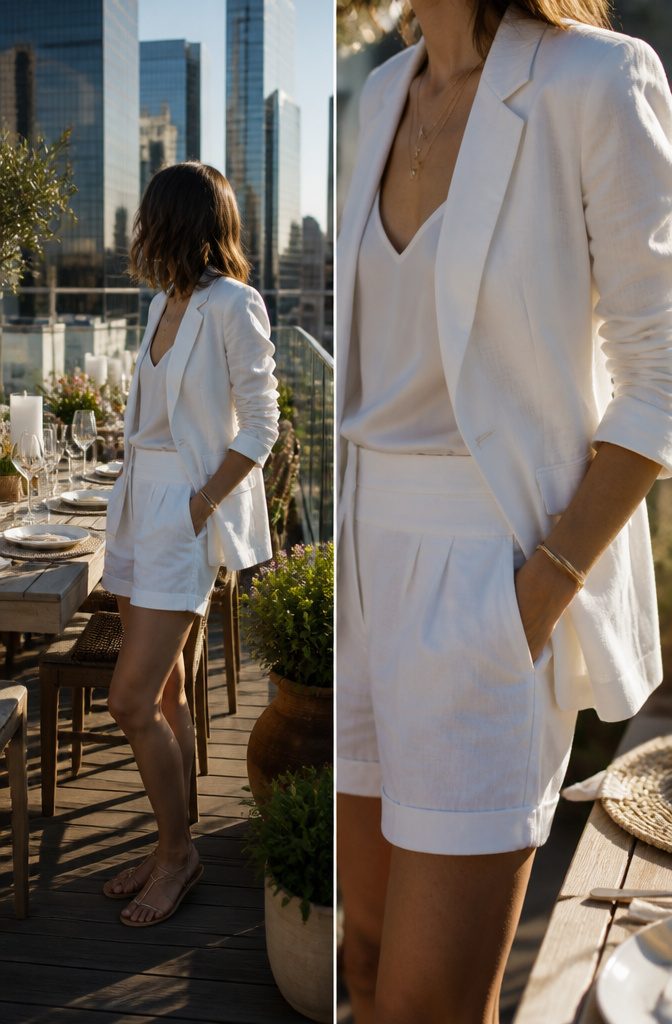
Smart casual shifts with the weather, but the core stays the same: balance, fit, and polish carry the look across every month.
Summer calls for lighter fabrics—linen, cotton, and Tencel keep you cool without looking sloppy.
A linen blazer over a cami and tailored shorts reads polished at a rooftop lunch. Swap heavy trousers for white canvas pants, and pair them with a striped cotton button-down tucked in.
Loafers close the outfit without adding heat. Lighter colors reflect sun and feel less oppressive than dark wool in July.
Winter flips the strategy toward layering. A knitted sweater under a flannel shirt adds depth without bulk, or try a cardigan over a polo for warmth that still skims rather than swallows you.
Wool or wool-silk blend jackets keep you warm and look classic through cold months.
An unstructured fit with soft shoulders works better than stiff tailoring when you need room for an extra layer underneath. Add pieces that let you move from morning frost to heated interiors without peeling off half your outfit.
Frequently Asked Questions
What does smart casual dress code mean?
Smart casual blends structured and relaxed pieces so you look polished without full business formality. It sits between weekend wear and office attire, working for settings where you want to appear put-together but not stiff.
Pair one relaxed piece with one structured piece, like a crisp blazer with dark denim or a refined tee with pleated trousers.
Are jeans allowed in smart casual?
Dark-wash jeans without rips or distressing work for smart casual, but only when paired with something structured on top.
A silk blouse and tailored blazer or a fine-knit sweater with loafers balances the casual denim with polish. Heavily distressed or bleached denim pulls the outfit too far toward weekend mode.
What shoes can I wear for smart casual?
Loafers, ankle boots, ballet flats, and clean minimalist sneakers all work for smart casual.
Loafers and ankle boots in smooth leather read polished but walkable, while ballet flats in leather or satin with almond or square toes stay modern and office-friendly.
Sneakers only work if they’re pristine, premium leather in white, black, or tan, and the rest of your outfit is sharp.
What is not allowed in the smart casual dress code?
Ripped or heavily distressed jeans, graphic tees, athleisure staples, and anything overly casual pull an outfit too far toward weekend wear.
Full suits read as stiff and overdressed, while ill-fitting clothes that bag or pull across the body look sloppy. Athletic sneakers, logo-heavy styles, and scuffed or worn-out footwear also undermine the polished balance smart casual requires.
What comes in a smart casual dress code?
A tailored blazer, button-down shirts or silk blouses, fine-knit sweaters, tailored trousers or chinos, dark-wash jeans, and midi skirts form the foundation.
Add loafers, ankle boots, or polished flats, then finish with a structured leather bag and minimal accessories like a clean watch or slim belt. These staples mix and match to create polished outfits across multiple settings.